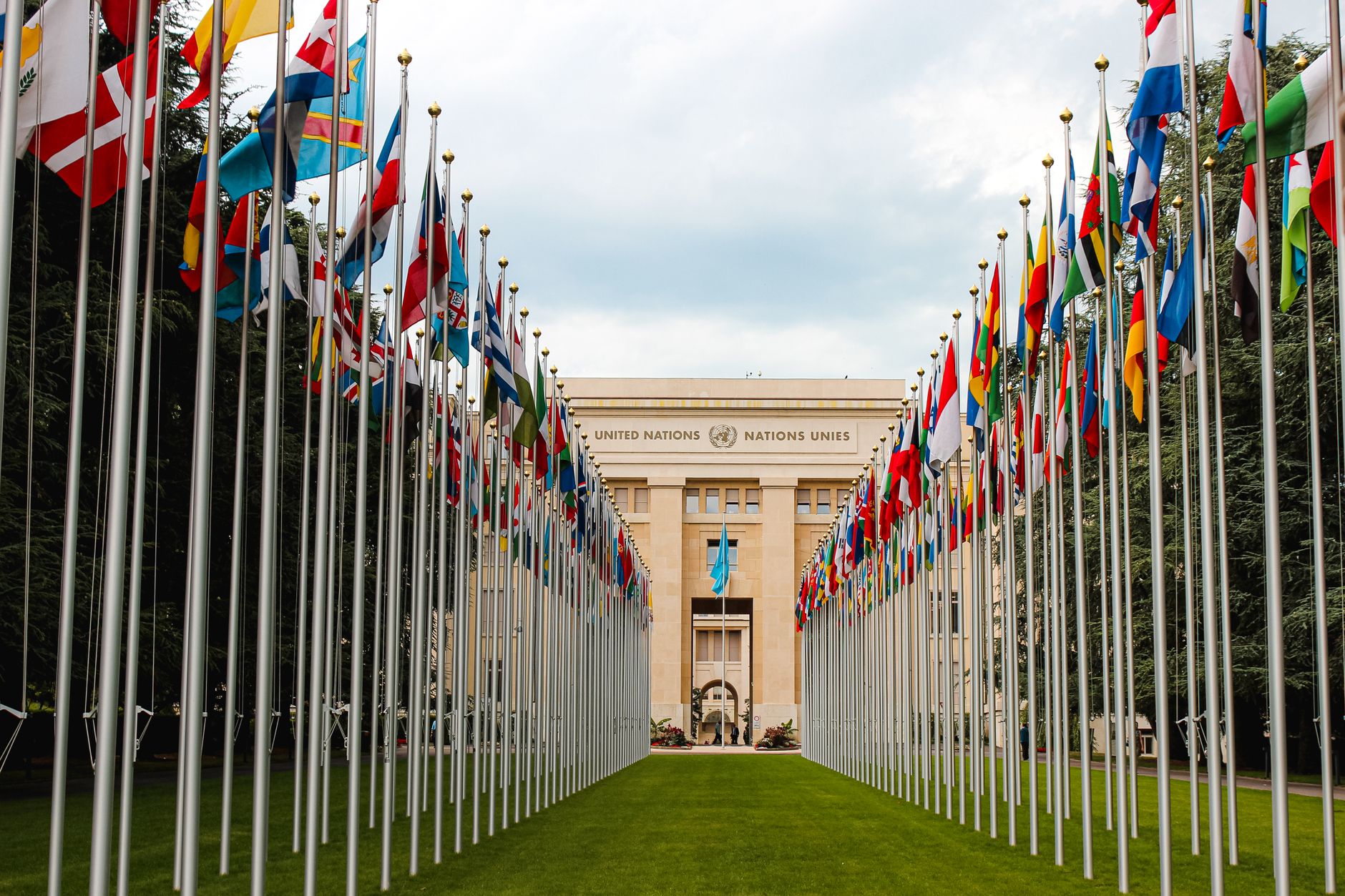
Understanding the Leadership Transition at the United Nations
As reported by Michele Kelemen on NPR, the diplomatic landscape at the United Nations faces a critical juncture. The current UN Secretary-General's term is coming to a close this year, yet major global powers have not yet reached a consensus on who will take over the leadership role.
Key Takeaways:
- The UN Secretary-General's term is concluding this year, triggering a high-stakes search for a successor.
- Major global powers have thus far failed to agree on a replacement candidate.
- UN observers express growing concern regarding the compressed timeline for a smooth transition and onboarding process.
Global governance relies heavily on steady administrative leadership. When the top diplomatic post faces prolonged vacancies or delayed appointments, institutional momentum can stall, impacting international conflict resolution, humanitarian efforts, and global policy coordination.
Implications of a Delayed Succession Process
The inability of major powers to agree on a candidate introduces significant operational risks for the international organization.
Transition Pressures and Administrative Continuity
UN watchers have voiced apprehension that any further delays will leave the incoming leader with insufficient time to get up to speed. Managing a vast international bureaucracy requires extensive familiarity with ongoing geopolitical crises, budgetary negotiations, and diplomatic protocols.
As the clock ticks down toward the final days of the current administration, the international community continues to monitor diplomatic negotiations closely to see if a consensus candidate will emerge in time to ensure an orderly handover.
Disclaimer: This article is intended strictly for educational and informational purposes and does not constitute financial, investment, or tax advice.