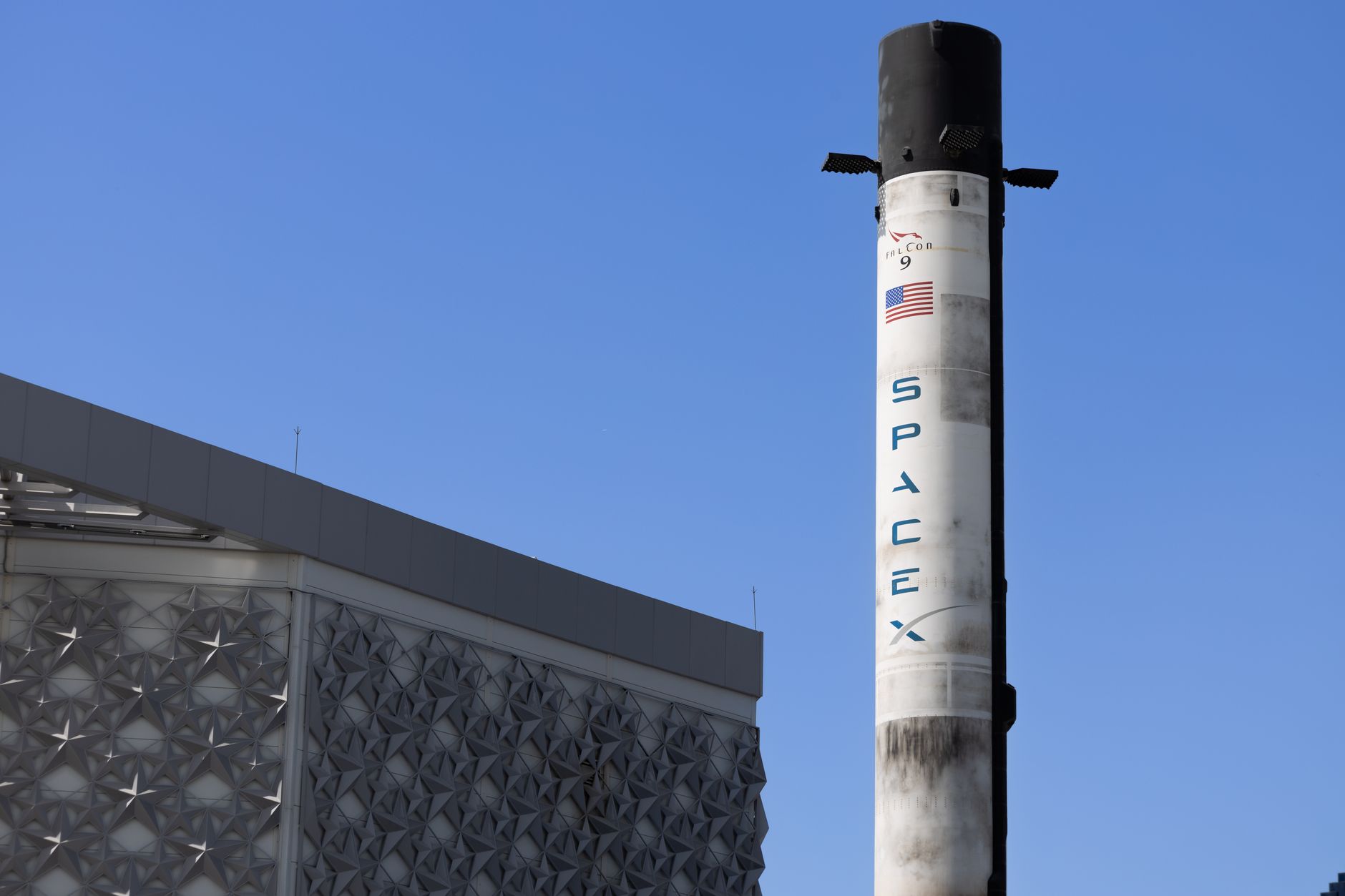
According to reporting by Al Jazeera at https://www.aljazeera.com/video/newsfeed/2026/11/27/elon-musk-gets-the-greenlight-from-the-us-to-launch-one-million-satellites?traffic_source=rss, billionaire entrepreneur Elon Musk has secured official clearance from United States authorities to launch a staggering one million satellites.
Key Takeaways:
- Major US Approval: Elon Musk has received the green light from United States regulators to deploy up to one million satellites.
- Space-Based Infrastructure: The ambitious initiative aims to relocate artificial intelligence data centres into Earth orbit.
- Energy Efficiency: Placing data centres in space allows them to harness near-constant sunlight to meet their massive power demands.
The Vision Behind Orbiting AI Data Centres
As artificial intelligence models grow exponentially in scale and complexity, the computational demand for processing power has surged to unprecedented levels. Traditional terrestrial data centres face mounting hurdles, including severe grid capacity constraints, massive cooling requirements, and high environmental footprints.
By shifting this critical infrastructure beyond Earth's atmosphere, operators can potentially bypass the limitations of terrestrial power grids. In space, unobstructed solar radiation provides a virtually continuous and abundant energy source, which could radically transform how large-scale computing operations are sustained.
Regulatory Milestones and Future Implications
Securing regulatory permission for one million satellites represents a monumental shift in aerospace and telecommunications governance. As orbital congestion becomes an increasingly pressing global concern, large-scale deployments require rigorous oversight to manage space traffic and mitigate orbital debris risks.
While technical and logistical challenges remain immense, this milestone underscores a growing trend toward utilizing low Earth orbit and beyond for heavy industrial and technological applications. Observers will be closely watching how this ambitious project progresses from regulatory approval to physical deployment.
Disclaimer: This article is intended strictly for educational and informational purposes and does not constitute financial, investment, or tax advice.