The 2017 Rohingya Crisis: Understanding the Ongoing Human Toll
Background of the Displacement
In 2017, a massive wave of violence forced nearly one million Rohingya people to flee their homes in Myanmar and cross the border into neighboring Bangladesh. This sudden exodus created an immense humanitarian emergency. Families arrived with very few possessions, having experienced immense trauma and uncertainty.
The Scale of the Refugee Camps
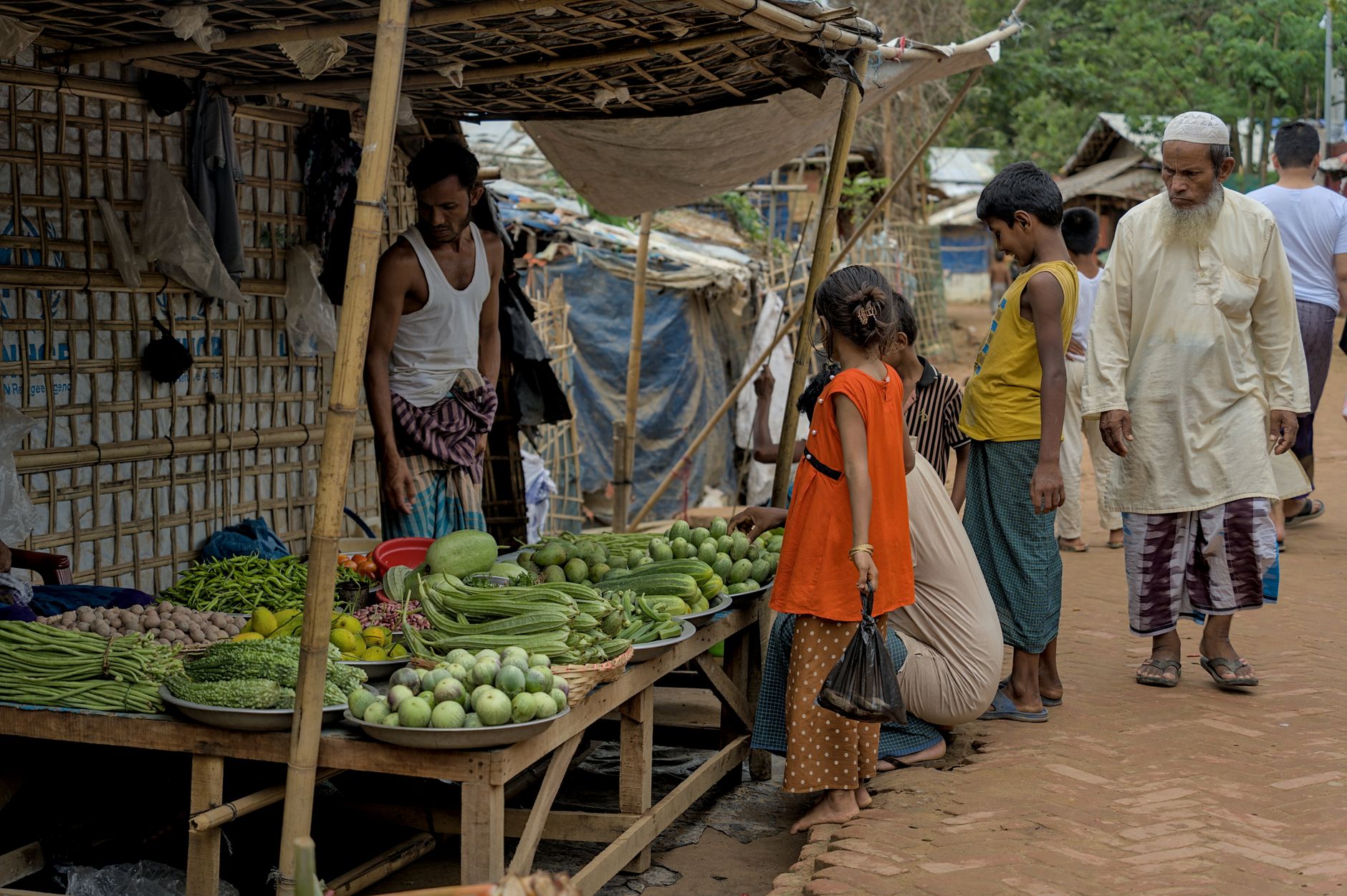
To accommodate the surging population, sprawling settlements quickly emerged in the region surrounding Cox's Bazar in Bangladesh. These camps rapidly grew to become among the largest refugee concentrations anywhere in the world. Providing shelter, clean water, and food to such a vast number of people presented an extraordinary challenge for humanitarian agencies and local authorities.
Living Conditions and Daily Challenges
Life inside the settlements involves continuous hardship. While aid organizations work diligently to supply essential services, the sheer density of the population strains available resources. Residents face limited economic opportunities, educational hurdles for children, and vulnerability to severe weather events during the monsoon season.
The Broader Humanitarian Landscape
Years after the initial emergency, the displaced population continues to reside in limbo. International attention periodically shifts toward legal developments and diplomatic discussions regarding accountability and potential repatriation. However, for the individuals living day-to-day in the settlements, the primary focus remains on survival, dignity, and maintaining hope for a secure future.
Reflecting on the Human Cost
Examinations of the 2017 crisis often highlight legal and political dimensions, yet the core of the issue remains deeply human. Families continue to grapple with the loss of their homeland and the separation of loved ones. Documenting these experiences serves to keep global awareness focused on a population that continues to await lasting solutions.
RELATED STORIES

geo-politics
US Defense Secretary Announces Strategic Military Partnership in Venezuela
US Defense Secretary Pete Hegseth announces a new military partnership with Venezuela, featuring joint training and intelligence sharing.

geo-politics
Meta AI Executive Warns Superintelligence Is Arriving Soon
A leading Meta artificial intelligence executive warns that humanity faces crucial decisions as AI superintelligence approaches.

geo-politics
Can US Congress Stop an Iran War Like It Ended Vietnam?
Explore whether the US Congress can halt a conflict with Iran, examining historical precedents from the Vietnam War and legislative power.