Afghanistan Environmental Toll: The Hidden Cost of Decades of Conflict
Introduction to the Crisis
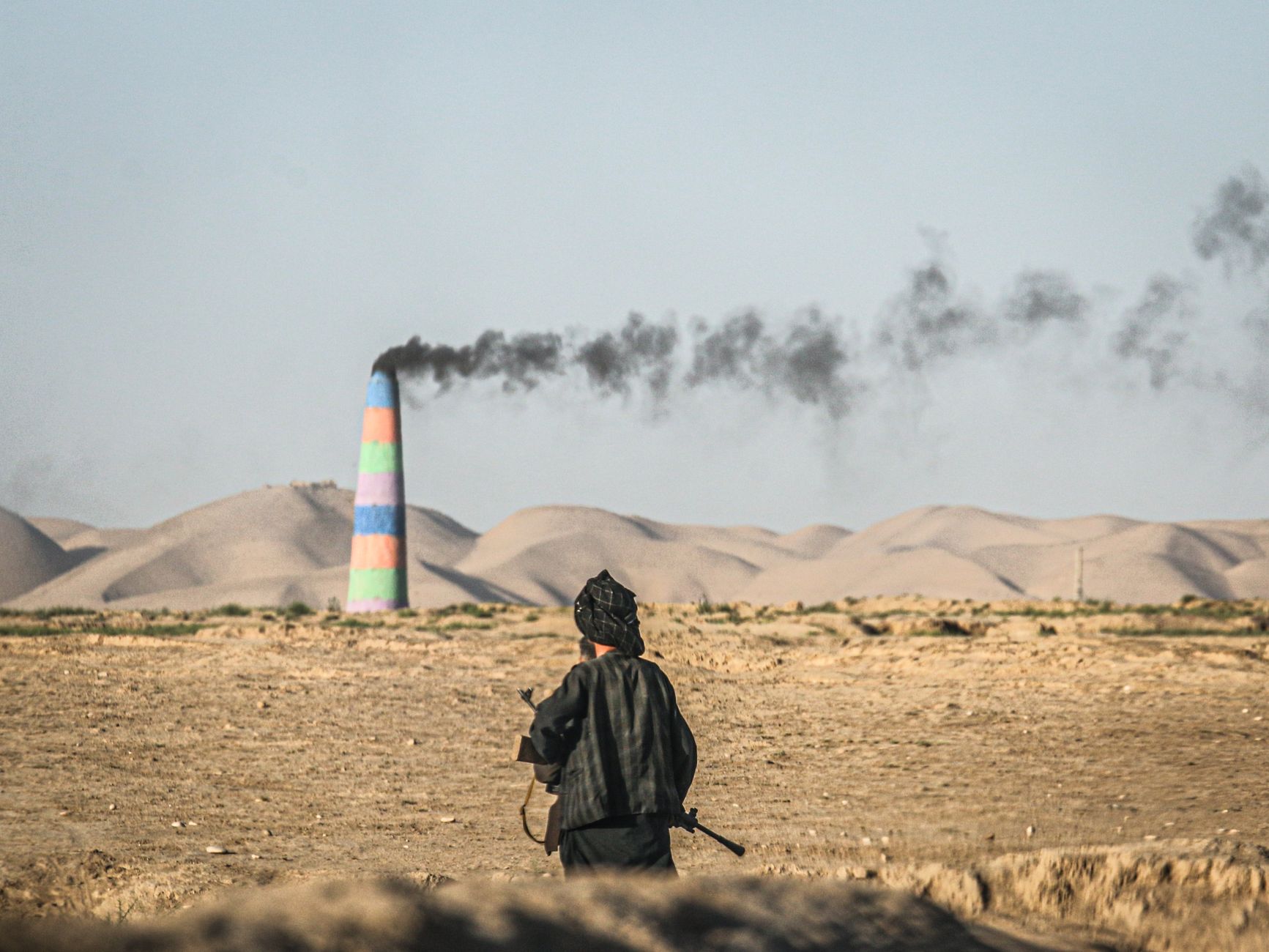
Decades of continuous conflict have left deep scars across the landscape of Afghanistan. Beyond the immediate human casualties and the destruction of infrastructure, the prolonged violence has inflicted catastrophic damage on the natural environment. Communities that once thrived now resemble ghost towns, surrounded by degraded ecosystems that make traditional ways of life nearly impossible to sustain.
The Human Face of Environmental Collapse
Local families bear the heaviest burden of this ecological decline. For many residents, the land was not merely a place to live, but a vital source of sustenance through farming and raising livestock. Years of military operations, bombings, and neglect have contaminated soil and water sources, leaving once-fertile valleys barren and desolate. Parents now struggle to protect their children from the lingering hazards of a ruined environment.
Agricultural Devastation and Water Scarcity
Agriculture has historically been the backbone of the rural Afghan economy. However, decades of warfare have severely disrupted irrigation systems, damaged ancient water management networks, and depleted underground aquifers. Without reliable access to clean water, crop yields have plummeted, forcing many rural inhabitants to abandon their ancestral homes and migrate toward urban centers in search of survival.
Contaminated Landscapes and Safety Hazards
Unexploded ordnance, military debris, and hazardous waste from years of combat pose continuous threats to both people and wildlife. The accumulation of pollutants in the soil and local waterways has created long-term public health crises. Even as active fighting subsides in certain regions, the lingering environmental toxins ensure that the land remains dangerous and largely uninhabitable.
Pathways Toward Ecological Recovery
Addressing the severe ecological degradation in Afghanistan requires significant international attention and dedicated resources. Restoring damaged agricultural land, rebuilding vital irrigation infrastructure, and cleaning up contaminated zones are essential steps for the future. Without a concerted focus on environmental rehabilitation, the ghost towns of Afghanistan will serve as permanent reminders of the lasting price of war.
RELATED STORIES
geo-politics
Why European Nations Are Renewing Plans for Migrant Deportations to Rwanda
Explore why five European Union member states are reviving proposals to send deported migrants to Rwanda and the concerns surrounding human rights.

geo-politics
Royal Mail Faces Threat From Competitors As Former Minister Urges Government Intervention
A former business secretary warns that rival undercutting will render Royal Mail unviable without urgent government action.

geo-politics
How the US Senate Majority Leader Is Chosen and Who Contends for Power
Discover how the US Senate majority leader is chosen as congressional control shifts, featuring potential leadership challenges within the Democratic party.