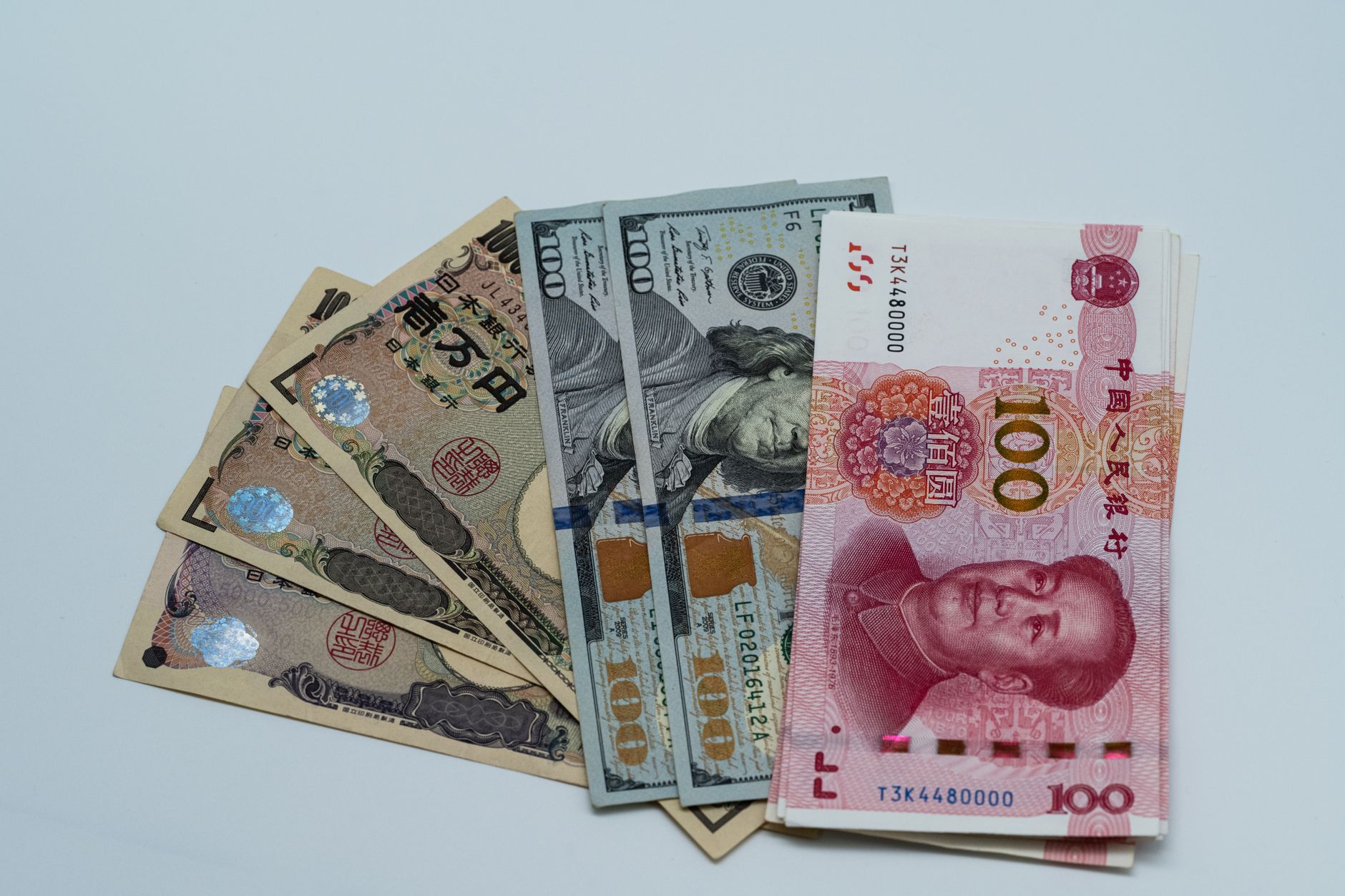
For decades, the United States dollar has maintained an unchallenged rule over Africa's financial landscape, serving as the dominant reserve currency and the primary medium for international trade. However, according to reporting by Kate Bartlett via NPR, a notable shift is underway as a growing number of African countries begin trading in China's yuan. This transition carries profound implications for global trade balances, currency reserves, and the future distribution of economic influence across the continent.
Key Takeaways:
- USD Dominance Challenged: The US dollar has historically ruled African financial markets, but its dominance is seeing a gradual shift.
- Rise of the Yuan: More African nations are adopting China's yuan for trade settlements and financial reserves.
- Shifting Economic Power: The increased usage of the yuan signals a broader realignment of global economic power towards Beijing.
The Historical Dominance of the US Dollar in Africa
For generations, emerging economies across the African continent have relied heavily on the US dollar to finance imports, service foreign debt, and anchor domestic monetary stability. Major commodity exports, from oil and minerals to agricultural goods, have traditionally been priced and settled in dollars. This reliance tied many African economies closely to United States monetary policy, Federal Reserve interest rate decisions, and Western-dominated financial institutions.
Vulnerabilities in Dollar Dependency
While the dollar offered stability and global liquidity, heavy reliance on it exposed African nations to significant macroeconomic vulnerabilities. Fluctuations in the strength of the dollar often triggered imported inflation, made foreign debt servicing increasingly expensive, and depleted domestic foreign exchange reserves. As nations sought greater flexibility and alternative trade partners, exploring non-dollar settlement mechanisms became an attractive strategic objective.
The Growing Role of China's Yuan in African Markets
In recent years, deepening commercial ties between Beijing and various African nations have laid the groundwork for increased local currency and yuan-denominated trade. As outlined by reporting from NPR, the growing adoption of the yuan reflects China's expanding economic footprint through infrastructure investments, bilateral trade agreements, and swap lines established with central banks across the continent. By settling trade transactions directly in yuan, participating countries can bypass the dollar intermediary, potentially lowering transaction costs and streamlining bilateral commerce.
Implications for Global Financial Architecture
The incremental adoption of the yuan in Africa is not merely a regional phenomenon; it represents a broader international trend toward currency diversification. While the US dollar remains the dominant global reserve currency, the proliferation of alternative trade corridors challenges the traditional unipolar financial system. Analysts note that while the yuan still has a long way to go before matching the global liquidity of the dollar, its rising share in African trade highlights a tangible diversification of economic partnerships.
Disclaimer: This article is intended strictly for educational and informational purposes and does not constitute financial, investment, or tax advice.