Amazon Suspends Operations With 21 Air Following Fatal Runway Incident
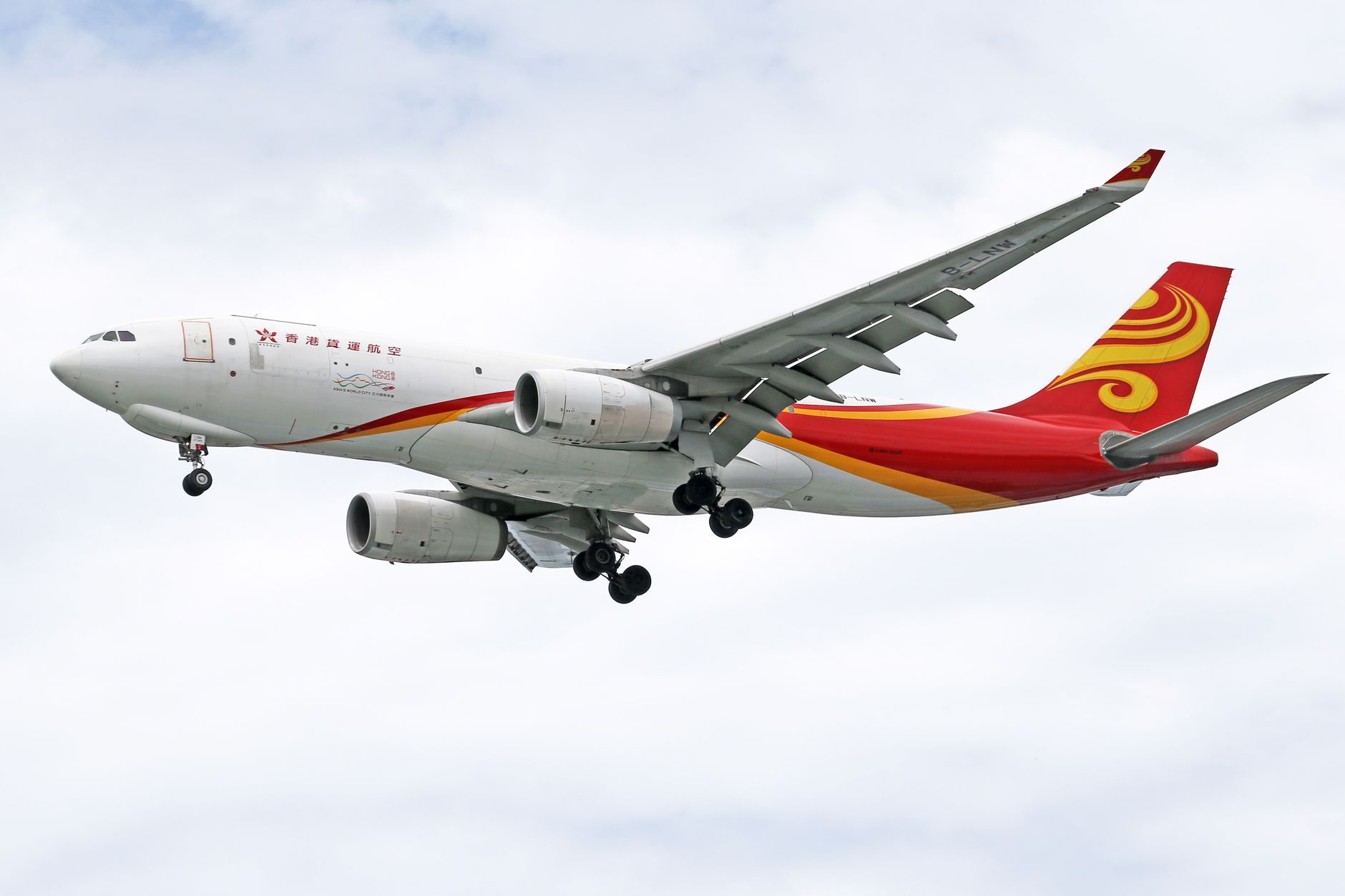
Major corporations often rely heavily on third-party logistics and aviation partners to maintain their expansive delivery networks. Maintaining a seamless supply chain is vital for modern e-commerce giants, yet safety remains the paramount concern whenever aviation incidents occur. The recent decision by a major retail conglomerate to pause its working relationship with a specific cargo carrier highlights the intense scrutiny surrounding air freight safety standards.
Background of the Incident
The aviation sector was shaken when a cargo aircraft operated by 21 Air experienced a catastrophic accident. The incident occurred when the jet failed to stop within the designated landing zone, ultimately overshooting a runway at Miami International Airport. In the process, the runaway aircraft collided with multiple vehicles stationed nearby, leading to severe consequences including fatalities.
Such runway overruns are among the most critical safety hazards in aviation. Investigations by federal transport authorities generally look into a multitude of factors, ranging from weather conditions and mechanical failures to pilot decision-making and braking performance. While technical teams comb through the wreckage and flight data recorders, industry observers closely monitor the broader implications for the companies involved in the supply chain.
Corporate Response and Supply Chain Impact
In the wake of the tragedy, supply chain leaders take swift precautionary measures to reassess their operational risks. Halting partnerships with a transport provider is a standard yet significant procedure while investigations are ongoing. This ensures that the primary logistics network maintains public trust and adheres strictly to rigorous safety protocols.
For the affected cargo carrier, the suspension poses substantial commercial challenges. Rebuilding confidence requires absolute transparency with aviation regulators and clients alike. Ensuring that all operational procedures undergo a comprehensive review is essential before any cargo carrier can resume normal flight schedules.
Broader Implications for Air Cargo Safety
Incidents of this magnitude often trigger wider regulatory evaluations across the entire air freight industry. Authorities may introduce enhanced oversight measures, focusing particularly on airport runway safety zones and cargo loading weights. Stakeholders throughout the aviation ecosystem must continually evaluate their risk management strategies to prevent similar tragedies.
Ultimately, the temporary halt in operations serves as a sobering reminder of the inherent risks within global transport networks. Balancing the demand for rapid delivery with uncompromising safety standards remains the ultimate challenge for logistics leaders navigating the modern commercial landscape.
RELATED STORIES

geo-politics
Arab Parties Exclusion in Israel Condemned as Racist by Balad Leader
Balad leader denounces the exclusion of Arab factions from government coalitions following inconclusive election results.

geo-politics
Tax Threshold Freezes Extended: What This Means For Your Take-Home Pay
Discover how the three-year extension on income tax threshold freezes impacts your salary, tax bracket, and overall take-home pay.

geo-politics
Babydoll Singer Finds Renewed Joy After Achieving UK Number One
Discover how the Babydoll singer rediscovered happiness in life and music after achieving a monumental UK number one hit following a difficult period.