American Students in China: Examining the Reality of Exchange Programs
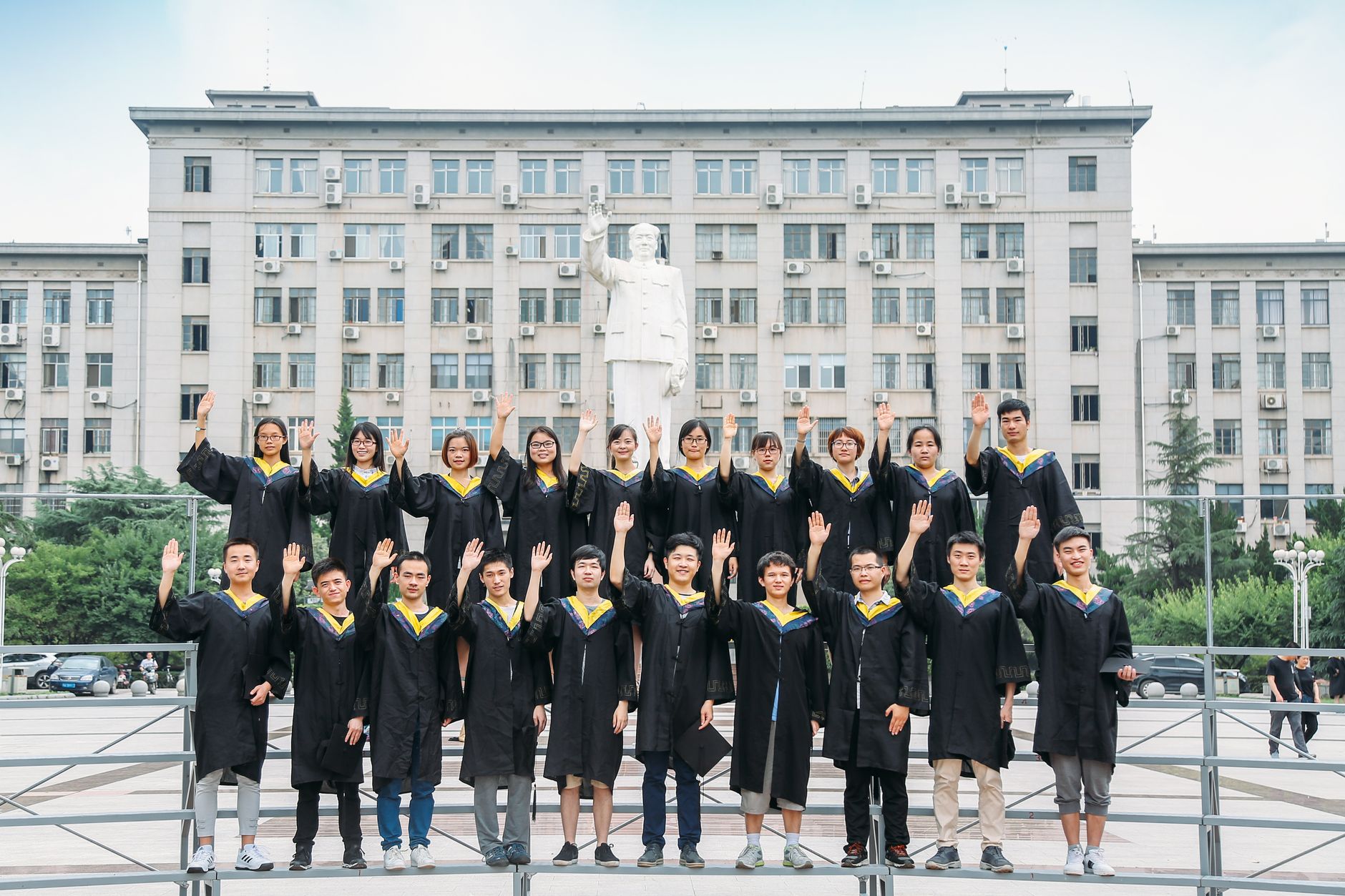
International educational exchanges have long served as a bridge between nations, fostering mutual understanding and diplomatic ties. Recently, high-level discussions between global leaders brought renewed attention to the possibility of large-scale academic mobility. In particular, statements regarding the arrival of thousands of American students for educational exchanges in China have sparked widespread interest among educators, policymakers, and families.
Understanding the Historical Context
To evaluate the current landscape, it is helpful to look at past trends in educational migration between the two countries. For decades, thousands of young scholars crossed the Pacific in both directions to pursue language acquisition, cultural immersion, and academic research. These programs were widely viewed as essential for building long-term professional networks and enhancing cross-cultural competence.
However, in recent years, various geopolitical tensions, safety advisories, and administrative hurdles have significantly altered the environment. Enrollment numbers for international programs experienced sharp declines, leading many universities to reassess their global engagement strategies. Consequently, any new initiative aimed at reversing this trend must contend with a changed global reality.
Logistical Realities and Practical Challenges
While high-level diplomatic pledges set an ambitious tone, turning these goals into practical reality involves navigating complex logistical frameworks. Prospective participants and university administrators must weigh several critical factors before committing to overseas study. These considerations range from visa processing times and institutional partnerships to curriculum alignment and on-the-ground support services.
Furthermore, safety concerns and travel advisories issued by government bodies play a substantial role in shaping student choices. Parents and academic advisors carefully monitor these guidelines to ensure the well-being of young scholars. As a result, even with official encouragement from foreign governments, individual decision-making remains heavily influenced by domestic risk assessments.
The Institutional Perspective
Universities on both sides face the task of rebuilding administrative channels that may have weakened during periods of strained relations. Establishing secure housing, transparent academic credit transfers, and reliable health services requires extensive coordination between foreign and domestic institutions.
Many academic leaders emphasize that successful exchange programs rely on institutional autonomy and academic freedom. Ensuring that visiting scholars can conduct research and engage in open dialogue is a fundamental requirement for most Western universities considering new partnerships abroad.
Looking Ahead
As upcoming diplomatic meetings approach, the international education community watches closely to see how official policy will translate into actionable programs. While the prospect of welcoming large numbers of international participants offers exciting possibilities, the actual outcome will depend on concrete operational steps.
Ultimately, the success of these educational initiatives will be measured not by initial enrollment targets, but by the depth, safety, and lasting academic value of the experiences provided to the participants. Bridging the gap between diplomatic announcements and everyday reality remains the central challenge for the future of cross-border education.
RELATED STORIES

geo-politics
Russian Military Plane Crash in Siberia Kills 19 People
Nineteen people lose their lives following a tragic military aircraft crash in Siberia, with preliminary Russian defense findings indicating equipment failure.

geo-politics
US Federal Judge Blocks FCC Move Against Disney ABC Stations
A federal judge halts an FCC attempt to target Disney owned ABC stations, noting the agency chair acted on presidential rhetoric.
geo-politics
UK Transfers US Soldier Accused of Russia Espionage to American Military
British authorities hand over a NATO-assigned US service member suspected of spying for Russia to the American military following established protocols.