Antimicrobial Resistance Threat: Millions Face Risk Over 25 Years
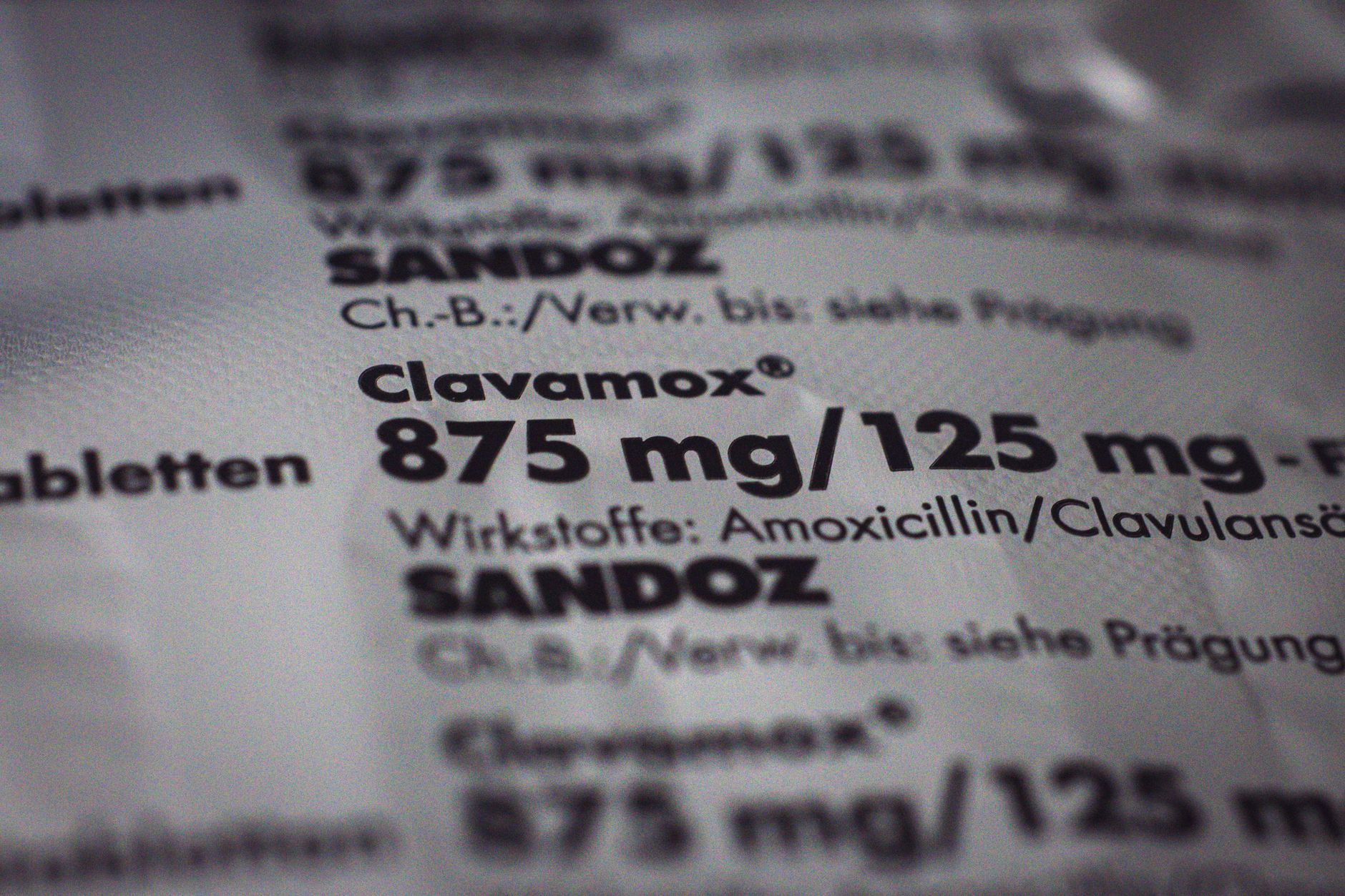
The Future of Modern Medicine Under Threat
Global health authorities have issued a severe warning regarding the rising prevalence of drug-resistant infections. According to recent projections from the United Nations health agency, antimicrobial resistance could result in approximately 39 million fatalities over the next quarter-century. This escalating crisis poses a profound danger to healthcare systems worldwide, jeopardizing the foundational treatments that have protected human health for decades.
Understanding the Scale of the Crisis
Antimicrobial resistance occurs when bacteria, viruses, fungi, and parasites evolve and no longer respond to medications that once successfully treated them. This adaptation renders standard medical interventions increasingly ineffective. Common infections are becoming harder to cure, and routine medical procedures, such as surgeries and cancer treatments, carry significantly higher risks without reliable antimicrobial defenses.
The global health agency emphasizes that the steady accumulation of drug-resistant pathogens threatens the very future of modern medicine. Without swift and coordinated intervention, healthcare providers may find themselves stripped of the tools necessary to combat basic bacterial and viral threats. The anticipated toll of 39 million deaths highlights the urgent need for international cooperation and policy reform.
Driving Factors Behind Resistance
Several key practices accelerate the development of antimicrobial resistance across populations. The overuse and misuse of antibiotics in both human healthcare and agricultural sectors remain primary contributors. When drugs are administered unnecessarily or patients fail to complete prescribed courses, surviving microorganisms adapt and develop defense mechanisms against the treatments.
Furthermore, inadequate infection prevention and control measures in healthcare facilities facilitate the rapid transmission of resistant strains among vulnerable patients. Limited access to clean water, sanitation, and hygiene in various regions further exacerbates the spread of these dangerous pathogens, making containment a complex global challenge.
Pathways Forward and Solutions
Addressing this looming crisis requires a comprehensive strategy focused on stewardship and innovation. Healthcare professionals must exercise greater caution in prescribing antibiotics, ensuring they are only used when clinically necessary. Public awareness campaigns can also educate communities about the proper use of medications and the dangers of self-medication.
Simultaneously, increased investment in research and development is vital to discover new classes of antimicrobial drugs and alternative therapies. Governments, pharmaceutical organizations, and academic institutions must collaborate to accelerate the pipeline of innovative treatments. Strengthening global surveillance networks will also enable health authorities to track emerging resistant strains more effectively and deploy targeted responses before outbreaks escalate on a mass scale.
RELATED STORIES

geo-politics
Al Jazeera Reporter Nour Odeh Harassed by Settlers in Jericho
Al Jazeera journalist Nour Odeh faces harassment from Israeli settlers who seized Palestinian residences in Jericho.

geo-politics
Tracking Kenya's Elusive Black Leopard in the Wild
Discover the incredible journey of Maasai photographer Latei Moses as he tracks the rare black leopard across the breathtaking landscapes of Kenya.

geo-politics
Former UK Prime Minister Boris Johnson Discusses Brexit and Labor Market Policies
Explore former UK Prime Minister Boris Johnson's latest remarks regarding Brexit support and the economic impact of proposed zero hours contract bans.