Armenian TV Broadcast Descends Into Physical Altercation During Political Debate
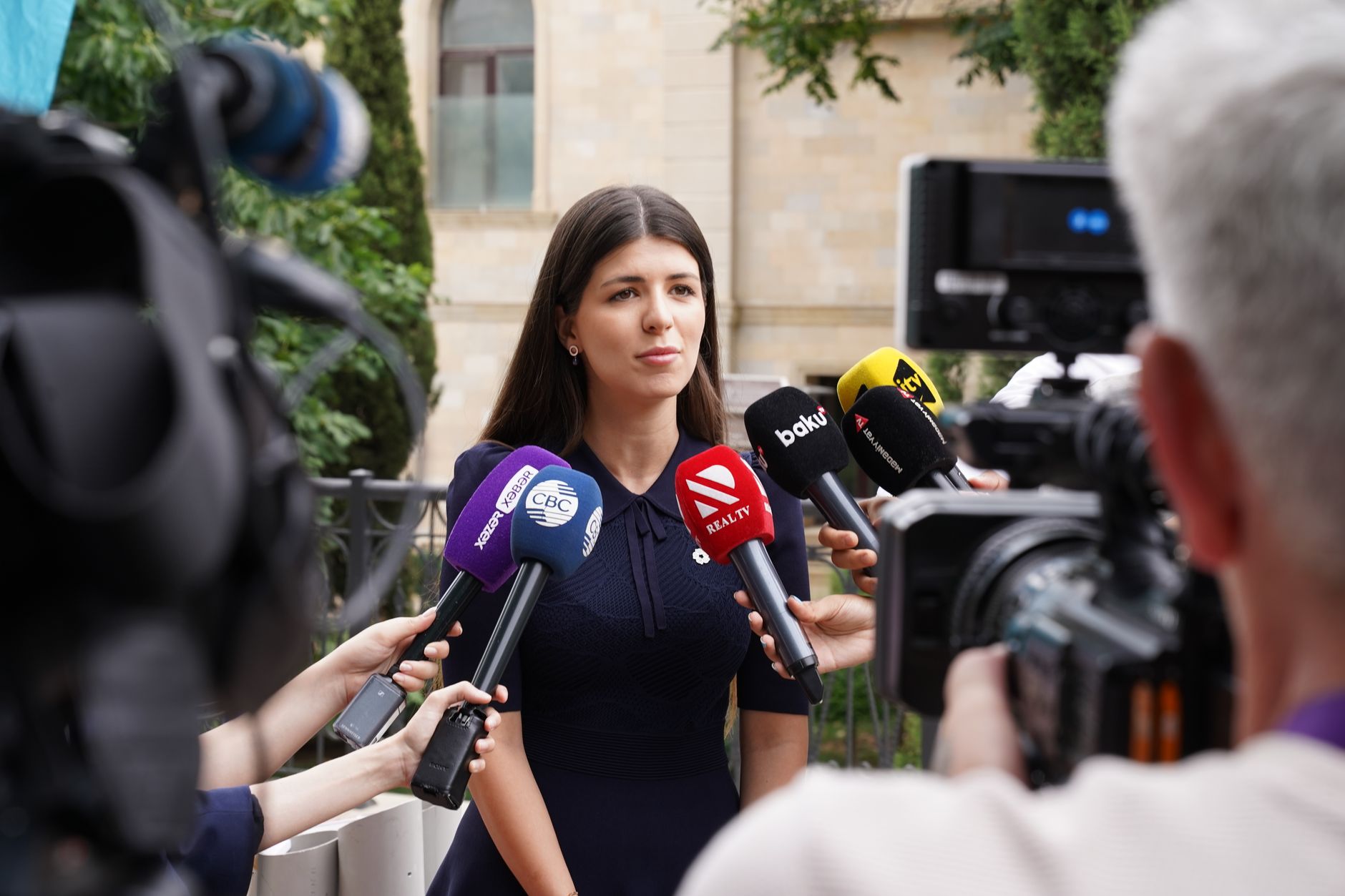
Television Broadcasts and Political Discourse
Modern television broadcasting serves as a primary platform for public discourse, political debate, and the exchange of diverse perspectives. Across democratic societies, televised debates are designed to allow elected officials, policy experts, and public figures to articulate their positions on complex national issues. These programs typically operate under established professional guidelines to ensure that discussions remain constructive, orderly, and informative for the viewing audience.
The Evolution of Media Tensions
In recent years, however, the landscape of televised political debates has witnessed a noticeable shift in tone and intensity. As political polarization increases globally, the pressure on public figures to deliver impactful soundbites has grown exponentially. Discussions that once focused strictly on policy outcomes and legislative proposals frequently drift into emotional arguments and personal accusations. This changing environment places significant demands on broadcast networks and show moderators to maintain control over participants and preserve the integrity of the programming.
Incident on Armenian Public Television
These broader media dynamics were recently highlighted during a scheduled broadcast on Armenia's Public Television. A program dedicated to discussing current political matters featured guests engaged in a standard exchange of opposing viewpoints. As the discussion progressed, the verbal disagreement intensified significantly. The escalating friction between the participants quickly moved beyond a standard policy debate, shifting into a hostile verbal exchange that ultimately resulted in a physical altercation directly on the live television set.
Immediate Repercussions and Public Reaction
Incidents of physical conflict during live broadcasts are rare and frequently trigger immediate concern from media regulators, broadcasting executives, and the general public. When studio environments fail to contain political disagreements, questions arise regarding the security measures in place, the editorial oversight of the network, and the broader state of civic discourse within the country. Viewers and commentators often scrutinize both the network management and the participating individuals to understand how a regulated media platform permitted a discussion to deteriorate to such an extent.
Broader Implications for Political Communication
The event on Armenian Public Television underscores the fragile nature of political communication in contemporary media landscapes. When substantive debate is overshadowed by physical confrontation, the primary casualty is public understanding. Policymakers, broadcasters, and media analysts continually grapple with the challenge of fostering open dialogue while preventing aggressive behavior from undermining democratic institutions. As networks evaluate their broadcast protocols, the incident remains a notable example of the risks associated with heightened political polarization on live television.
RELATED STORIES
geo-politics
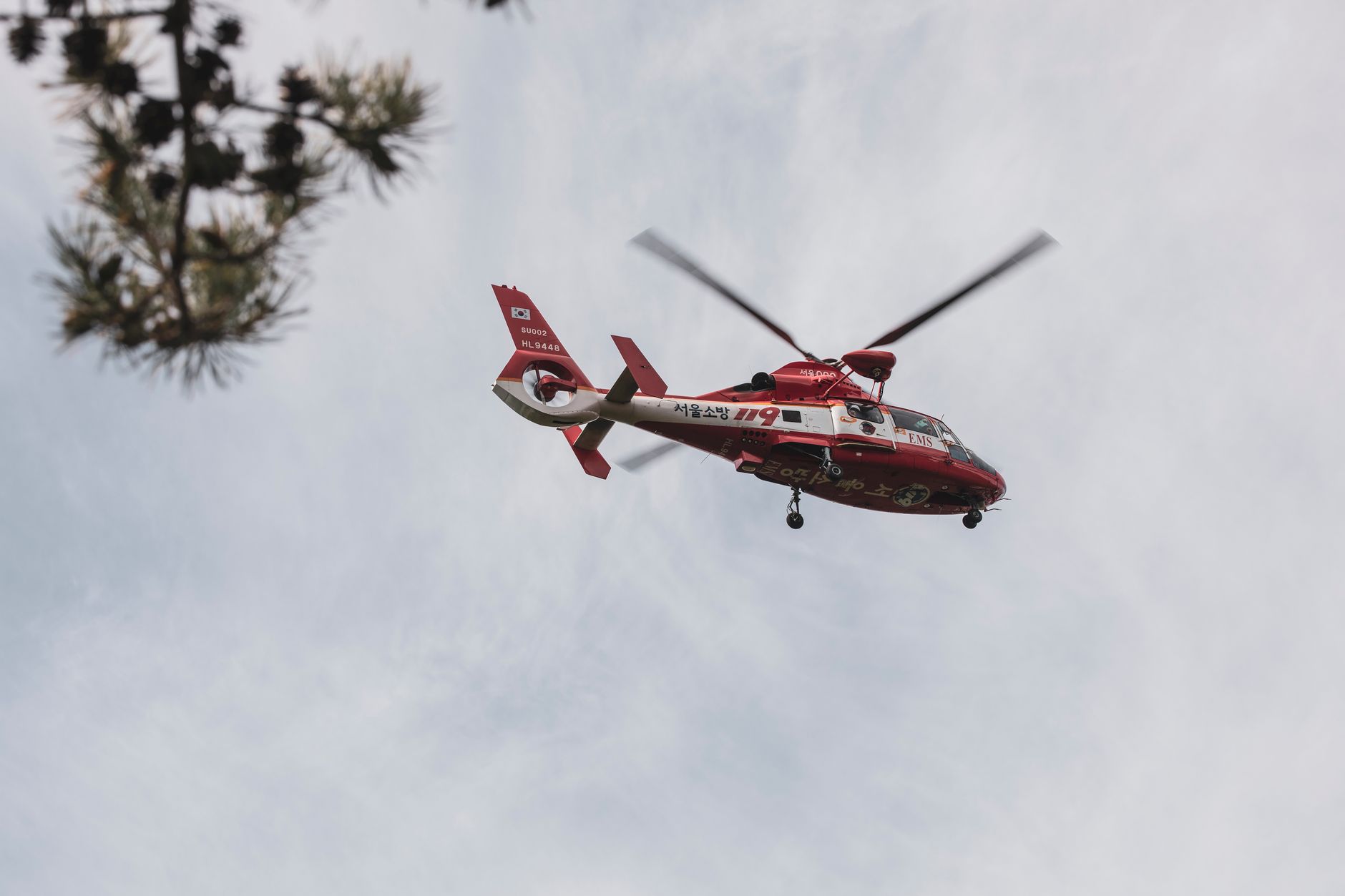
Why South Korea Issued Air Raid Alerts Following Russian Jets Near Airspace
Discover why South Korea issued urgent air raid warnings after Russian military aircraft approached national airspace.
geo-politics
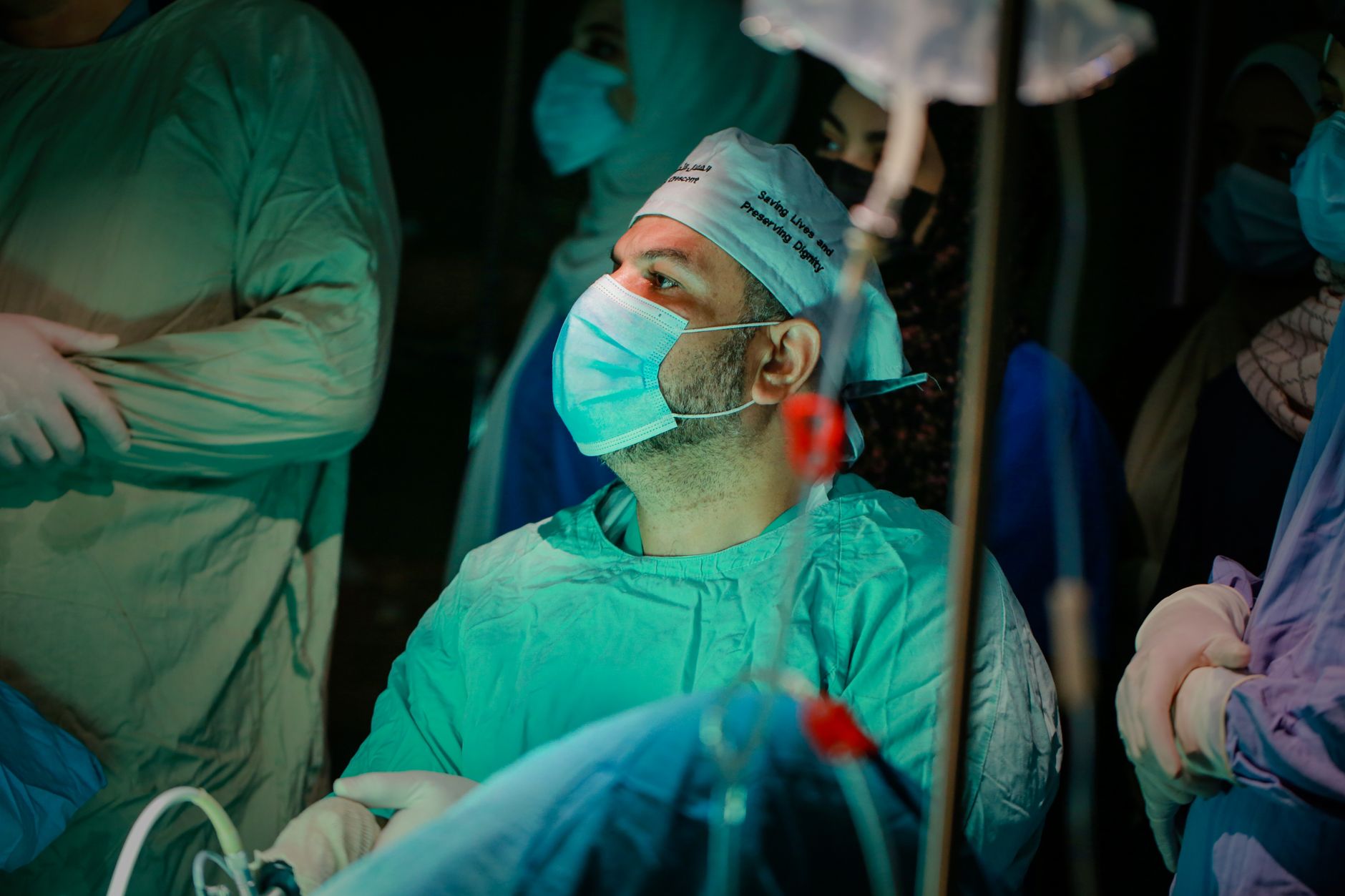
Israeli Court Extends Detention of Gaza Doctor Abu Safia Without Formal Charges
An Israeli court has prolonged the detention of Gaza physician Abu Safia, who has been held by military authorities for nearly two years without formal charges.
geo-politics
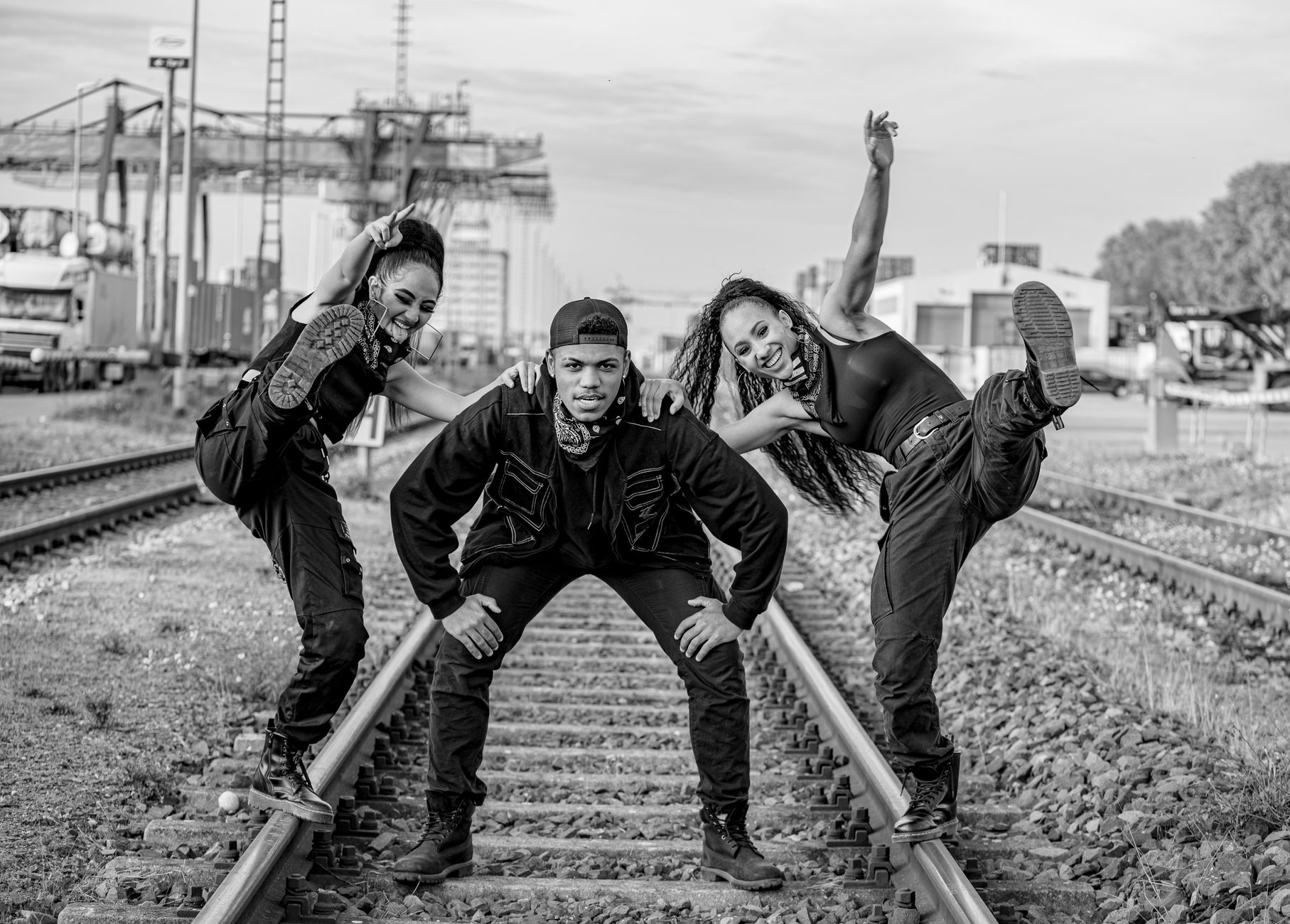
Karl Kani Shares His Iconic Hip-Hop Fashion Journey in New Memoir
Discover the incredible story of fashion icon Karl Kani as he discusses his new memoir, dressing hip-hop legends, and the evolution of urban style.