Autumn Night Sky Events: Five Celestial Sights to Watch
The autumn season brings cooler evening temperatures and longer nights, creating the ideal setting for astronomy enthusiasts and casual stargazers alike. As the Earth tilts away from the sun, the early darkness offers a wonderful opportunity to observe the cosmos. Several notable astronomical phenomena are scheduled to grace the heavens during the autumn months, providing plenty of reasons to step outside and look upward.
Introduction to Autumn Stargazing
Stargazing during the autumn months is often more comfortable than braving the freezing temperatures of deep winter. The crisp air frequently brings clearer atmospheric conditions, making stars, planets, and distant galaxies appear sharper to the naked eye or through binoculars. Whether you live in a rural area with dark skies or near the edges of a city, the upcoming months feature remarkable highlights that do not require expensive equipment to appreciate.
Brilliant Meteor Showers
Autumn is particularly famous for its active meteor display season. As Earth crosses paths with the orbital debris left behind by comets, tiny particles burn up in our atmosphere and create bright streaks of light. These shooting stars can appear anywhere in the firmament, rewarding those who find a comfortable spot and allow their eyes time to adjust to the dark. Patience is the key to catching these fleeting moments of cosmic magic, as activity often peaks during the quiet hours after midnight.
Planetary Alignments and Bright Worlds
Beyond meteors, several planets will make prominent appearances in the evening sector this season. Depending on the specific month and week, celestial neighbors like Jupiter and Saturn will shine brightly against the backdrop of distant constellations. These planets often appear as steady, glowing dots that outshine the twinkling stars surrounding them. Observing them through a basic backyard telescope can reveal fascinating details, such as Jupiter’s largest moons or the distinct rings of Saturn.
The November Supermoon
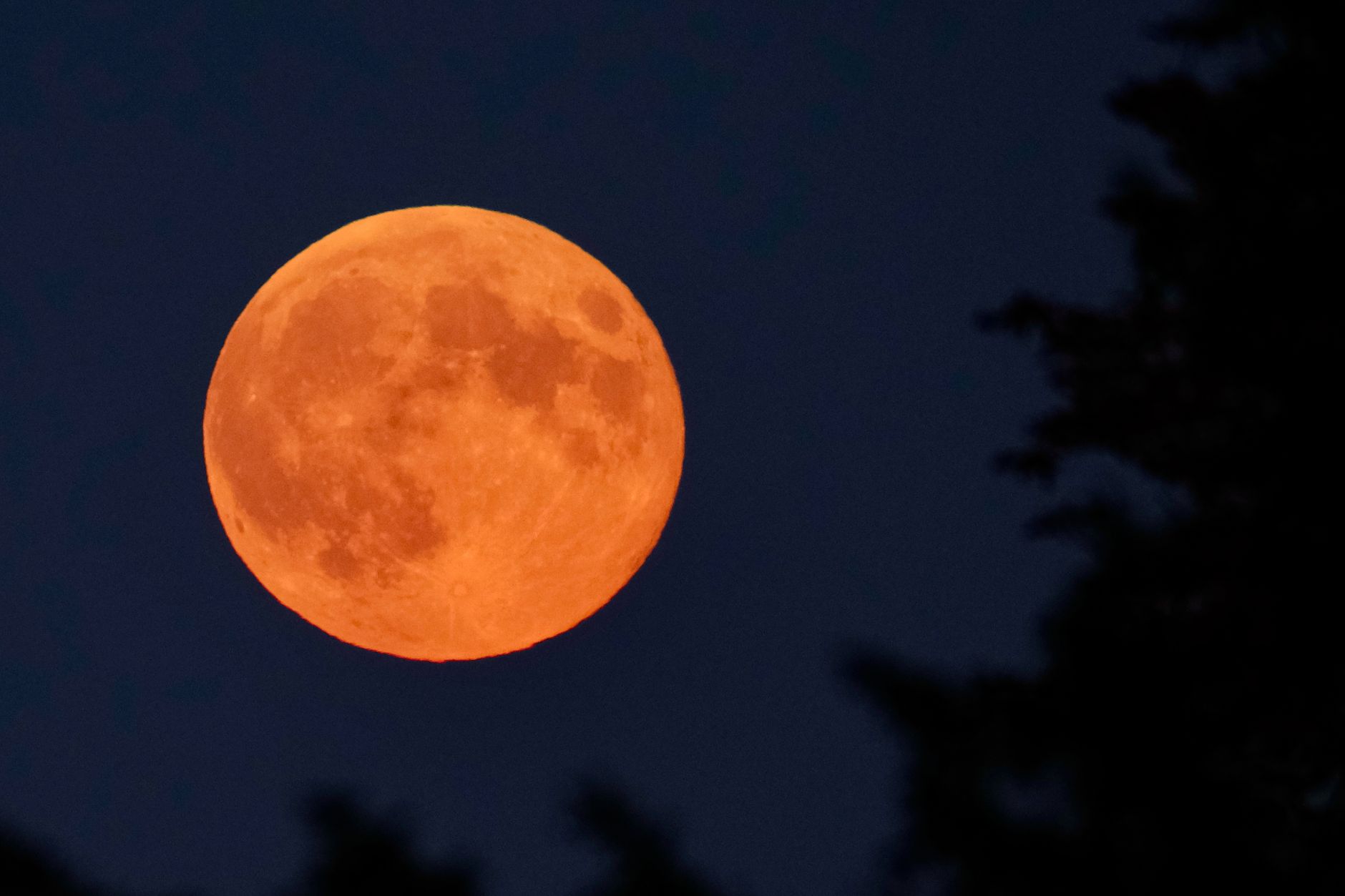
One of the most anticipated highlights of the autumn calendar is a striking supermoon arriving in November. A supermoon occurs when a full moon coincides with the point in the lunar orbit that brings it closest to Earth. This alignment makes the lunar disk appear noticeably larger and brighter than an average full moon. The glowing orb provides a breathtaking spectacle as it rises above the horizon, casting a silvery illumination across the landscape and washing out fainter stars with its powerful radiance.
Constellation Shifts and Deep Sky Wonders
As the season progresses, the winter constellations begin to edge their way into the late-night sky, replacing the summer patterns that dominated the warmer months. This transition introduces classic star groupings and famous celestial landmarks. Stargazers can trace ancient patterns and search for deep-sky wonders using star charts or mobile astronomy applications. Each clear autumn night offers a unique glimpse into the vast and dynamic universe we inhabit.
RELATED STORIES

geo-politics
Arab Parties Exclusion in Israel Condemned as Racist by Balad Leader
Balad leader denounces the exclusion of Arab factions from government coalitions following inconclusive election results.

geo-politics
Tax Threshold Freezes Extended: What This Means For Your Take-Home Pay
Discover how the three-year extension on income tax threshold freezes impacts your salary, tax bracket, and overall take-home pay.

geo-politics
Babydoll Singer Finds Renewed Joy After Achieving UK Number One
Discover how the Babydoll singer rediscovered happiness in life and music after achieving a monumental UK number one hit following a difficult period.