Why Bangladesh Faces a Measles Death Toll Despite Massive Vaccine Campaigns
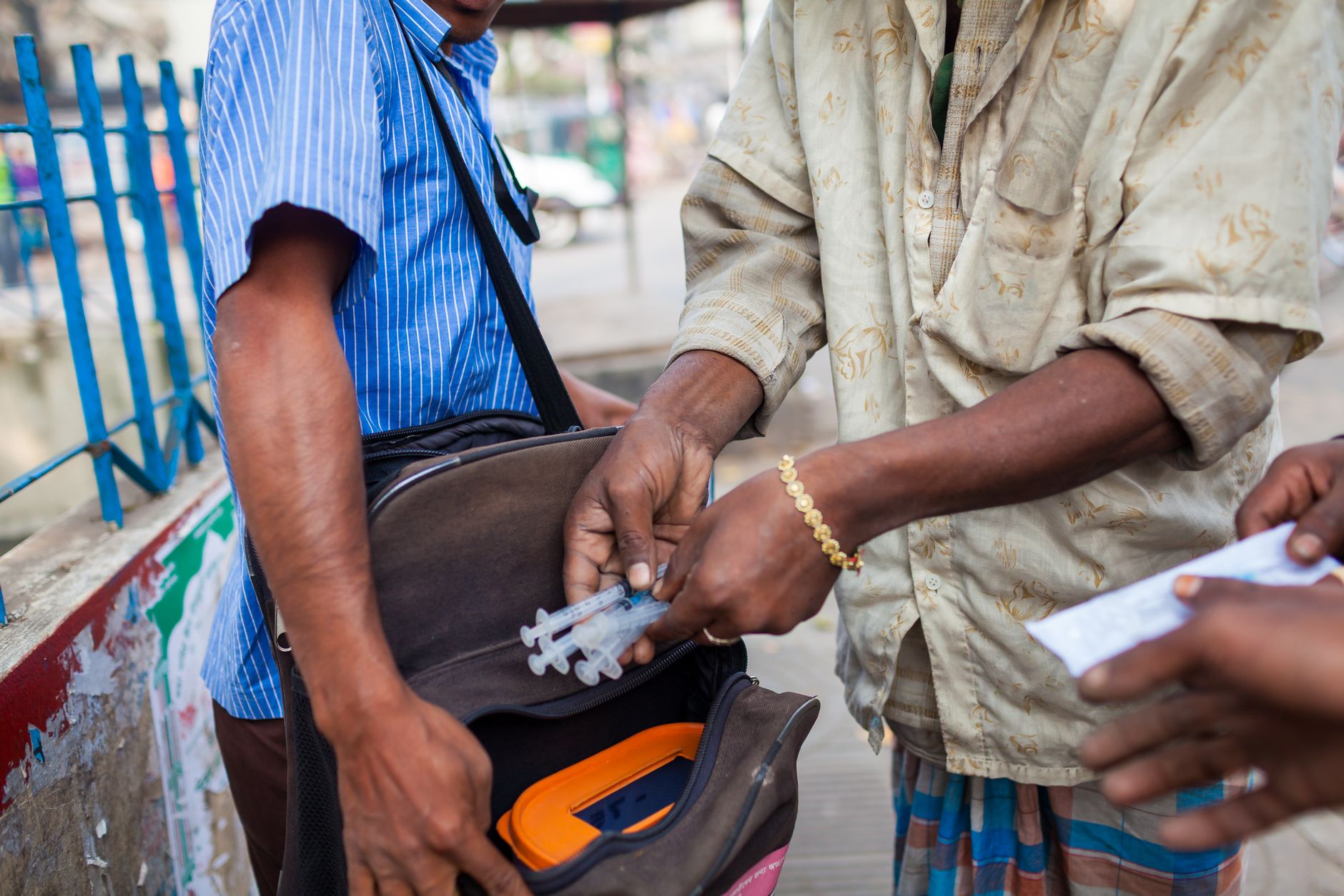
Public health analysts are examining a troubling medical puzzle in South Asia. Even though authorities have distributed twenty million inoculations since April, the nation continues to record a rising number of fatalities due to measles.
Historical immunization gaps and past administrative slipups are driving this ongoing health crisis. Experts indicate that these historical vulnerabilities have created pockets of unprotected children, allowing the highly contagious virus to spread rapidly despite massive recent relief efforts.
The Scope of Recent Immunization Efforts
Beginning in April, public health departments initiated an aggressive push to shield vulnerable populations. By distributing twenty million vaccines across various regions, officials hoped to halt the trajectory of the outbreak.
Large-scale logistics require meticulous planning and sustained community engagement. Healthcare workers traveled extensively to reach remote areas, aiming to close the immunity gaps that accumulated over previous years.
Understanding the Root Causes of the Crisis
Despite the impressive volume of administered doses, the sheer scale of past immunisation lapses proved difficult to overcome quickly. Analysts point out that previous interruptions in routine immunisation schedules left entire cohorts susceptible to infection.
When standard childhood immunisation programs experience delays or shortfalls, community immunity drops. This environment allows preventable diseases to resurface aggressively, overwhelming local healthcare facilities and increasing the overall casualty rate.
Challenges in Public Health Delivery
Delivering millions of doses in a densely populated nation presents unique logistical hurdles. Ensuring that every child receives the necessary two-dose protection schedule demands continuous tracking and robust infrastructure.
Experts stress that single vaccination campaigns, while vital for emergency response, cannot entirely replace consistent, routine healthcare delivery. Missed follow-ups and delayed booster shots often leave children partially protected rather than fully immune.
Moving Forward and Strengthening Defense
Addressing the current outbreak requires more than emergency supply distribution. Public health strategies must focus on long-term surveillance and strengthening primary healthcare networks to prevent future lapses.
By learning from the factors contributing to the current mortality rates, authorities can better prepare for potential health emergencies. Ensuring uninterrupted routine care remains essential for protecting the youngest populations from preventable tragedies.
RELATED STORIES

geo-politics
Arab Parties Exclusion in Israel Condemned as Racist by Balad Leader
Balad leader denounces the exclusion of Arab factions from government coalitions following inconclusive election results.

geo-politics
Tax Threshold Freezes Extended: What This Means For Your Take-Home Pay
Discover how the three-year extension on income tax threshold freezes impacts your salary, tax bracket, and overall take-home pay.

geo-politics
Babydoll Singer Finds Renewed Joy After Achieving UK Number One
Discover how the Babydoll singer rediscovered happiness in life and music after achieving a monumental UK number one hit following a difficult period.