COP31 Climate Talks Collapse: What Comes Next for Global Action
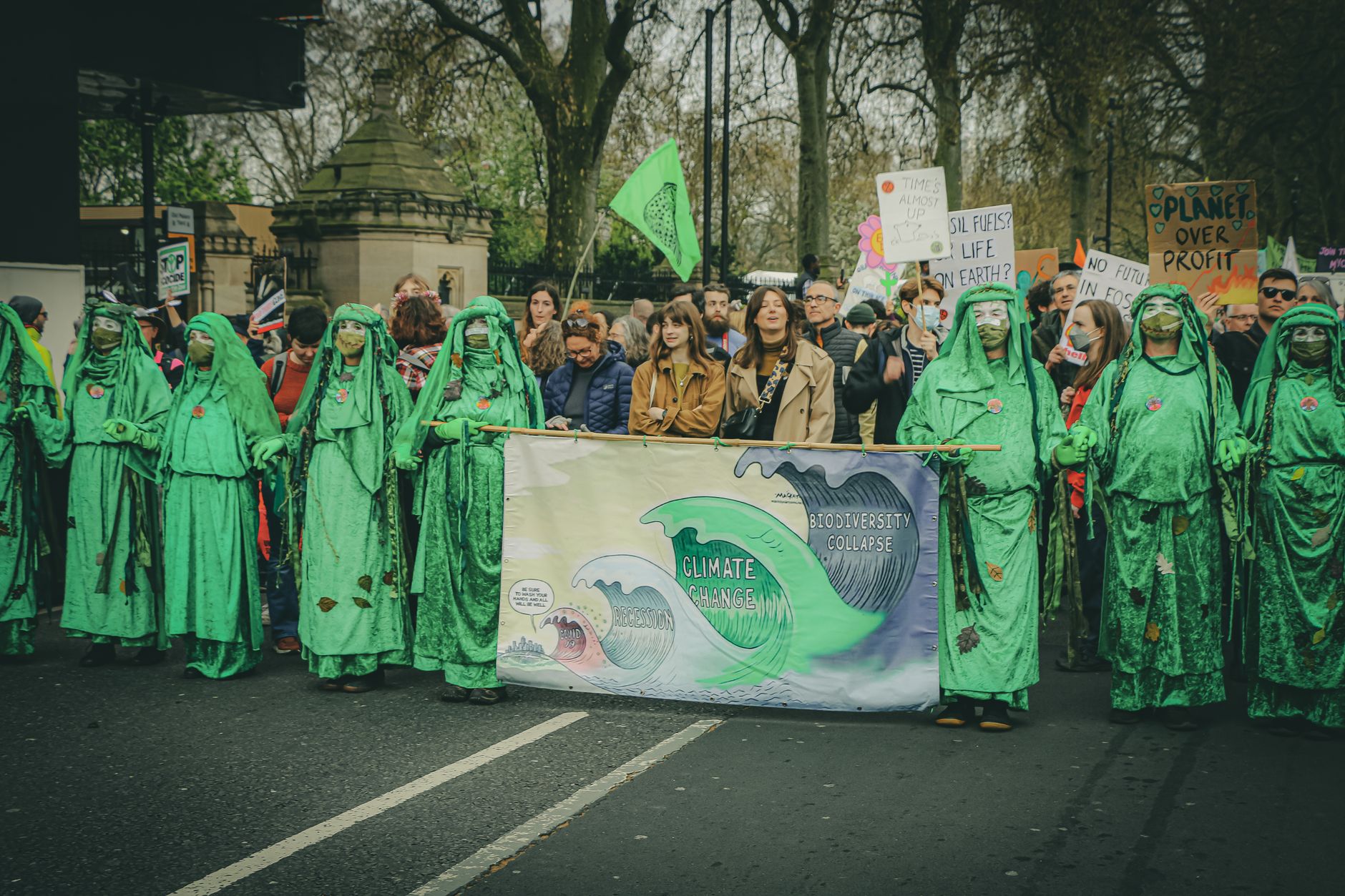
International Climate Negotiations Face Uncertainty
The landscape of global environmental diplomacy has encountered a significant setback following the recent breakdown of United Nations climate deliberations. Member states assembled to formulate strategies to accelerate measures against rising planetary temperatures, yet negotiations concluded without a consensus. This outcome represents a major hurdle for the broader international climate agenda, leaving policymakers and environmental advocates searching for alternative pathways to secure ecological stability.
The Central Obstacles to Consensus
Reaching agreements among nearly two hundred sovereign nations is inherently complex, especially when economic priorities and energy transitions diverge. During the summit, fundamental disagreements emerged regarding the acceleration of emission reductions and the financial mechanisms required to support developing nations. While some delegations pressed for aggressive timelines to phase out fossil fuels, others emphasized the economic risks associated with rapid transitions without guaranteed external funding. Consequently, the conference ended in a stalemate, failing to produce the robust roadmap many scientists and activists deemed vital.
Immediate Implications for Environmental Policy
The failure to secure a binding agreement at the summit stalls critical momentum needed to address escalating environmental disruptions. Without a unified global framework to fast-track climate action, individual nations may adopt fragmented approaches. While certain governments have pledged to maintain their domestic emission reduction targets, the lack of a coordinated international mandate weakens the collective pressure required to limit global temperature increases in line with established scientific thresholds.
Looking Forward: Alternative Paths for Climate Action
Despite the disappointing conclusion of the recent talks, international climate engagement will not cease entirely. Attention is already shifting toward smaller coalitions, regional agreements, and bilateral partnerships where willing nations can implement stringent environmental policies without waiting for universal consensus. Furthermore, subnational actors such as cities, states, and private sector leaders are expected to assume a larger role in driving sustainability initiatives forward. These decentralized efforts may provide the necessary momentum to keep environmental goals alive in the absence of a comprehensive global treaty.
The Role of Public and Private Sector Pressure
Financial markets and civil society will likely exert even greater influence in the wake of the diplomatic impasse. Investors increasingly recognize the long-term economic risks posed by environmental degradation, directing capital toward sustainable technologies independently of government mandates. Public demand for accountability remains strong, compelling corporations and regional authorities to honor their environmental commitments. As the international community regroups, these grassroots and market-driven forces may ultimately serve as the primary engine for continuous climate progress.
RELATED STORIES

geo-politics
Why South Korea Issued Air Raid Alerts Following Russian Jets Near Airspace
Discover why South Korea issued urgent air raid warnings after Russian military aircraft approached national airspace.

geo-politics
Israeli Court Extends Detention of Gaza Doctor Abu Safia Without Formal Charges
An Israeli court has prolonged the detention of Gaza physician Abu Safia, who has been held by military authorities for nearly two years without formal charges.

geo-politics
Karl Kani Shares His Iconic Hip-Hop Fashion Journey in New Memoir
Discover the incredible story of fashion icon Karl Kani as he discusses his new memoir, dressing hip-hop legends, and the evolution of urban style.