DR Congo Ebola Outbreak Surpasses 11,000 Cases and 5,300 Deaths Amid Crisis
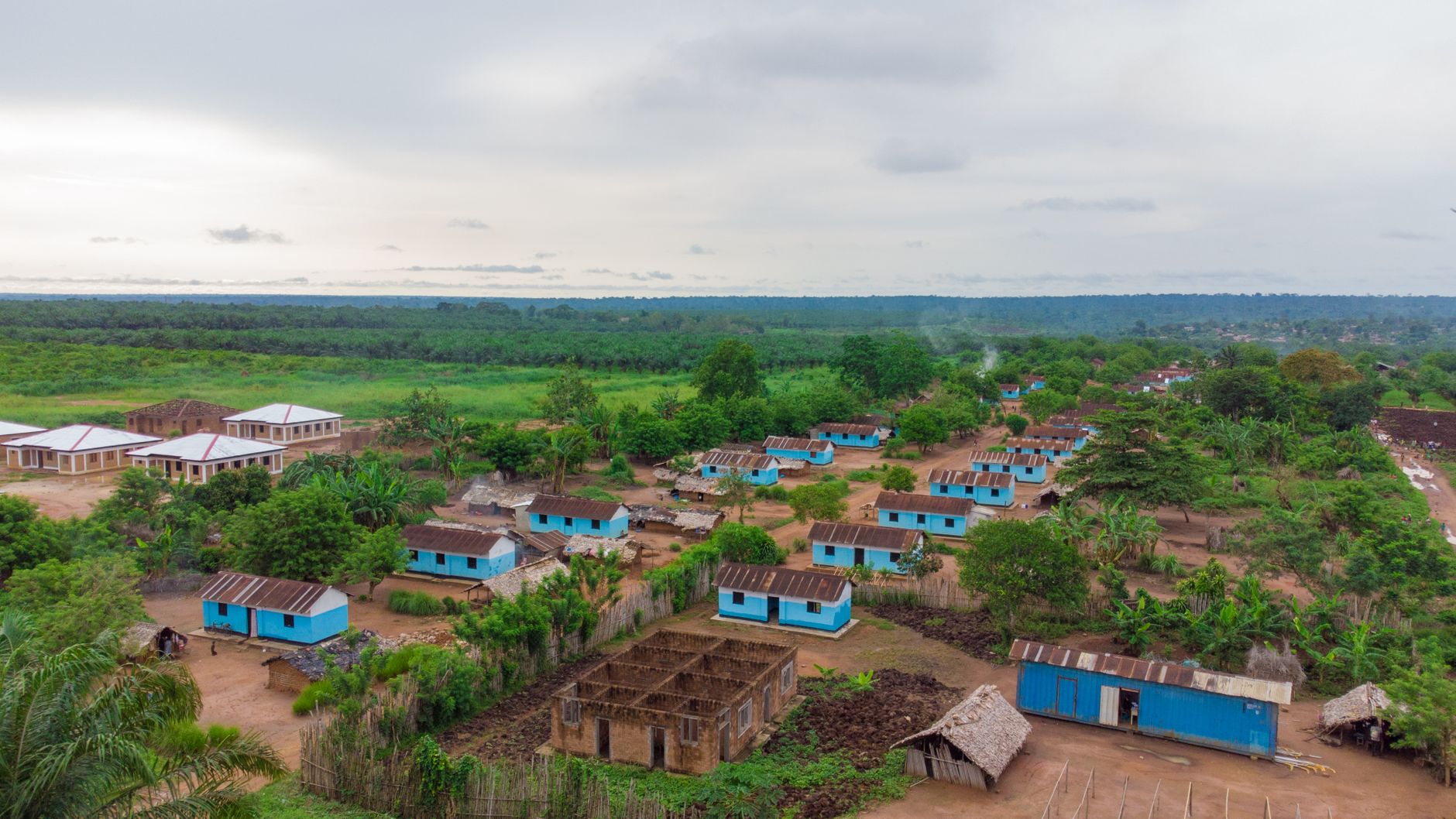
The Democratic Republic of Congo is facing severe challenges in managing its most extensive public health crisis involving the Ebola virus. Public health officials and humanitarian workers are encountering significant obstacles while attempting to halt the transmission of the disease. The primary drivers behind the rapid spread and high mortality rate include prolonged regional conflict and delays in identifying new infections among the vulnerable population.
Escalating Toll and Statistical Overview
Recent data indicates that the total number of recorded infections has surpassed 11,000. Within this staggering total, fatalities have reached 5,387 individuals. These figures highlight the unprecedented scale of the epidemic, marking it as the largest of its kind in the history of the region. Medical infrastructure has been pushed to its absolute limits as hospitals and treatment centers struggle to cope with the influx of patients requiring specialized isolation and care.
Operational Hurdles in Conflict Zones
Controlling the outbreak requires rapid deployment of medical personnel, contact tracing, and community engagement. However, persistent instability and armed conflict in the affected regions severely restrict access for health workers. Convoys carrying vital medical supplies and protective equipment frequently face security threats, delaying response times and preventing timely interventions in remote communities.
Delayed Detection Complicates Containment
Another critical factor exacerbating the crisis is the late identification of cases. Many infected individuals seek medical assistance only after the virus has progressed significantly, increasing the risk of transmission within families and local neighborhoods. Public health campaigns continue to urge communities to report symptoms early, but fear, misinformation, and lack of trust in official channels often hinder early diagnosis and treatment efforts.
Path Forward for Health Authorities
International health organizations and local authorities are continually reviewing strategies to adapt to the security and logistical constraints on the ground. Strengthening community partnerships and enhancing surveillance systems remain vital components of the ongoing response. Despite the immense difficulties, efforts persist to vaccinate frontline workers, manage treatment facilities, and ultimately bring the epidemic under control.
RELATED STORIES
geo-politics
Russia-Ukraine Talks Focus on Post-War Security Architecture
Recent diplomatic talks in Abu Dhabi centered on European security frameworks as international envoys prepare for upcoming high-level meetings.

geo-politics
Qatar Grand Prix Stood as the Right Decision Amid Regional Tensions, MotoGP Confirms
MotoGP leadership defends holding the Qatar Grand Prix despite regional conflicts, acknowledging rider concerns while expressing surprise over Yamaha's exit.

geo-politics
Kennedy Family Fights Trump Arch Plan to Protect JFK Grave Site
The Kennedy family has joined US lawsuits aiming to halt Donald Trump's arch plan, protecting the JFK Eternal Flame and family graves.