Future of Air Warfare: RAF Chief Predicts Last Crewed Fighter Jet
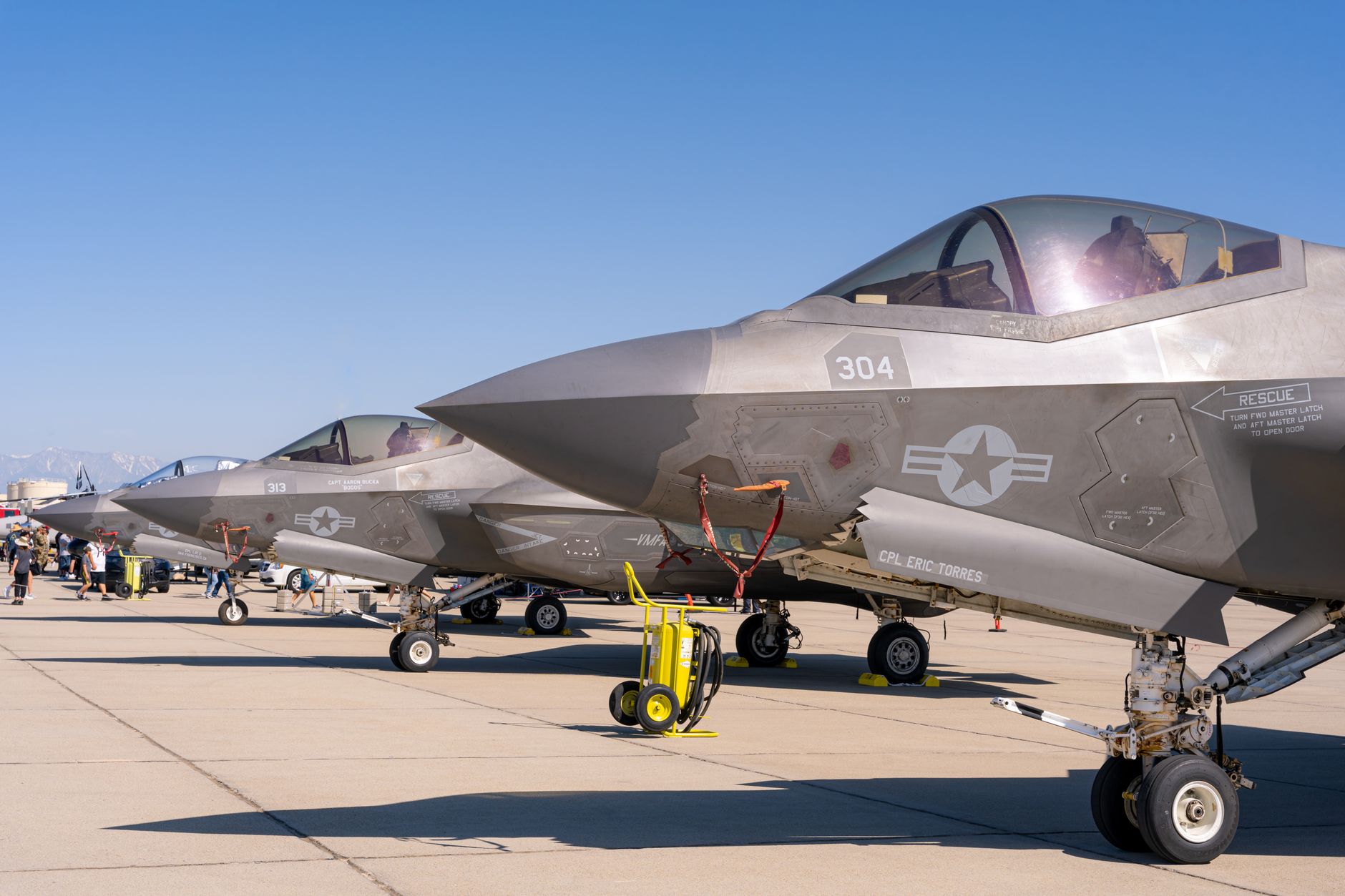
The landscape of modern military aviation is undergoing a profound transformation. As technological capabilities expand, defense strategists are increasingly looking toward autonomous systems to redefine air superiority and national security. Recent statements from senior military leadership highlight a pivotal turning point for the nation's air defense forces.
Introduction to Autonomous Skies
The senior commander of the air service has indicated that advanced artificial intelligence and uncrewed aerial vehicles are on track to begin operating within national airspace as early as next year. This upcoming integration marks a significant milestone in military aviation history. For decades, military strategy has relied heavily on human pilots inside the cockpit to execute complex combat maneuvers and make split-second tactical decisions. The introduction of autonomous systems signifies a departure from traditional deployment models, ushering in an era where software and algorithms play a central role in flight operations.
Strategic Shifts in Defense
The ongoing evolution of aerial warfare is driven by the need to maintain a competitive edge against increasingly sophisticated global adversaries. Modern defense requirements demand faster reaction times, higher endurance, and reduced risk to human personnel. Uncrewed systems equipped with artificial intelligence can perform maneuvers at gravitational forces that would incapacitate a human pilot. Furthermore, removing the life support systems and cockpit enclosures from the aircraft allows engineers to design smaller, stealthier, and more fuel-efficient platforms.
Preparing for the Next Generation
As the air service looks toward the horizon, planning for the next generation of combat aircraft is already underway. Leadership has suggested that the forthcoming fighter jet currently in development might very well be the final combat plane to feature a human crew. This projection underscores a broader global trend toward fully autonomous fleets. While human oversight, strategic command, and ethical decision-making will remain vital, the physical presence of a pilot in the aircraft is gradually becoming obsolete.
Integration Challenges and Timelines
Transitioning to a mixed fleet of crewed and uncrewed aircraft involves overcoming numerous regulatory, technical, and operational hurdles. Ensuring safe integration within civilian and military airspace requires rigorous testing, advanced communication protocols, and robust cybersecurity measures. The anticipated flights scheduled for next year will serve as crucial testing grounds, providing valuable data to refine autonomous navigation and decision-making capabilities in real-world conditions.
The Human Element in Autonomous Warfare
Even as the role of the pilot shifts from the cockpit to remote command stations, human expertise remains irreplaceable. Pilots and tactical commanders will continue to direct operations, manage system swarms, and authorize critical actions. The focus is transitioning from physical piloting skills to high-level tactical supervision and artificial intelligence management.
Looking Ahead
The timeline presented by senior leadership indicates that the future of air defense is arriving faster than previously anticipated. The upcoming trials of artificial intelligence and uncrewed platforms within national airspace will lay the groundwork for a complete restructuring of the air service. As innovation accelerates, the vision of a fully autonomous aerial fleet is moving steadily from theoretical concept to operational reality, fundamentally changing how air power will be projected in the decades to come.
RELATED STORIES
geo-politics
US Defense Secretary Announces Strategic Military Partnership in Venezuela
US Defense Secretary Pete Hegseth announces a new military partnership with Venezuela, featuring joint training and intelligence sharing.
geo-politics
Meta AI Executive Warns Superintelligence Is Arriving Soon
A leading Meta artificial intelligence executive warns that humanity faces crucial decisions as AI superintelligence approaches.

geo-politics
Can US Congress Stop an Iran War Like It Ended Vietnam?
Explore whether the US Congress can halt a conflict with Iran, examining historical precedents from the Vietnam War and legislative power.