Global Religious Shift: Muslims Projected to Become the World’s Largest Group
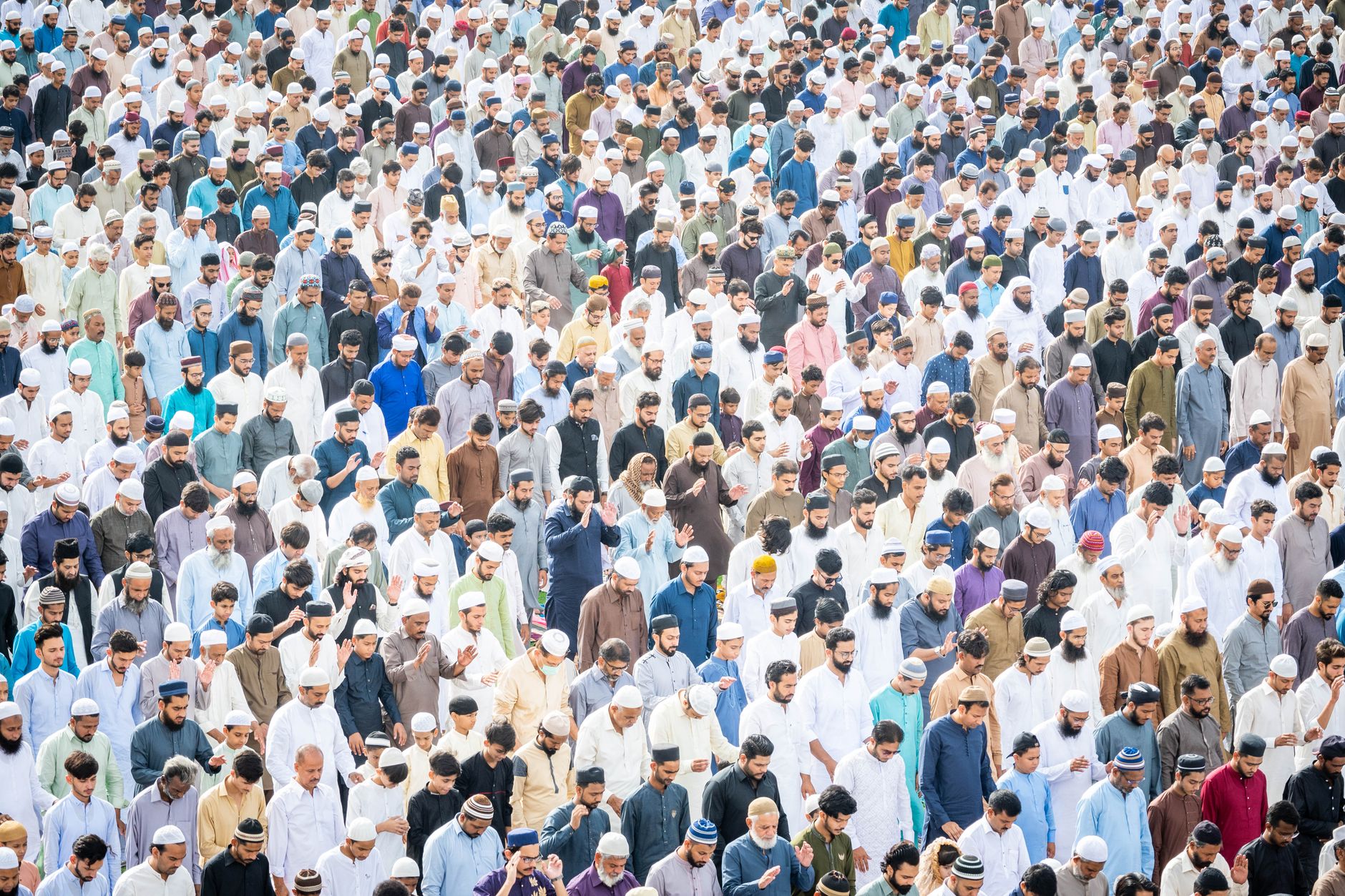
Demographic Shifts in the Global Religious Landscape
Recent demographic projections released by the Pew Research Center indicate significant shifts in the worldwide religious distribution in the coming decades. By the year 2070, the global religious map is expected to look notably different than it does today, driven largely by varying birth rates and youth bulges among different populations.
At the forefront of these projected changes is the anticipated growth of the Muslim population. According to the research data, Islam is currently growing at a rate faster than any other major religion across the globe. If these current demographic trajectories continue without major disruption, Muslims are projected to surpass Christians in total numbers, ultimately becoming the largest religious community globally.
Key Drivers of Demographic Growth
Several distinct factors explain this monumental shift in global faith populations. Foremost among them are fertility rates. Across various regions, Muslim populations tend to exhibit higher total fertility rates compared to other religious groups, averaging above the replacement level necessary to maintain population stability.
Additionally, the median age of the global Muslim population plays a crucial role. Islam currently possesses the youngest median age of any major religion, with a substantial share of its adherents under the age of thirty. This youthful demographic structure means a larger proportion of the population is currently entering, or is about to enter, their prime childbearing years, naturally fueling future growth.
In contrast, Christian populations are heavily concentrated in regions experiencing lower fertility rates and aging societies, particularly across Europe and parts of North America. While Christianity remains the largest global faith at present, these contrasting growth rates form the mathematical foundation for the eventual convergence and crossover projected for the latter half of the twenty-first century.
Broad Implications for Society
These demographic forecasts carry deep implications for international relations, cultural dynamics, and socioeconomic planning worldwide. As population centers shift, regions that historically held certain religious majorities may experience multicultural and multi-faith transformations.
Understanding these long-term statistical trends allows policymakers, sociologists, and community leaders to better anticipate the needs of diverse populations. While demographic projections are calculations based on current data and are subject to change due to unforeseen global events, they provide a vital roadmap for visualizing the future composition of our global society.
RELATED STORIES

geo-politics
Why South Korea Issued Air Raid Alerts Following Russian Jets Near Airspace
Discover why South Korea issued urgent air raid warnings after Russian military aircraft approached national airspace.

geo-politics
Israeli Court Extends Detention of Gaza Doctor Abu Safia Without Formal Charges
An Israeli court has prolonged the detention of Gaza physician Abu Safia, who has been held by military authorities for nearly two years without formal charges.

geo-politics
Karl Kani Shares His Iconic Hip-Hop Fashion Journey in New Memoir
Discover the incredible story of fashion icon Karl Kani as he discusses his new memoir, dressing hip-hop legends, and the evolution of urban style.