Government Insulation Scheme Leaves Majority of Damaged Homes Unrepaired
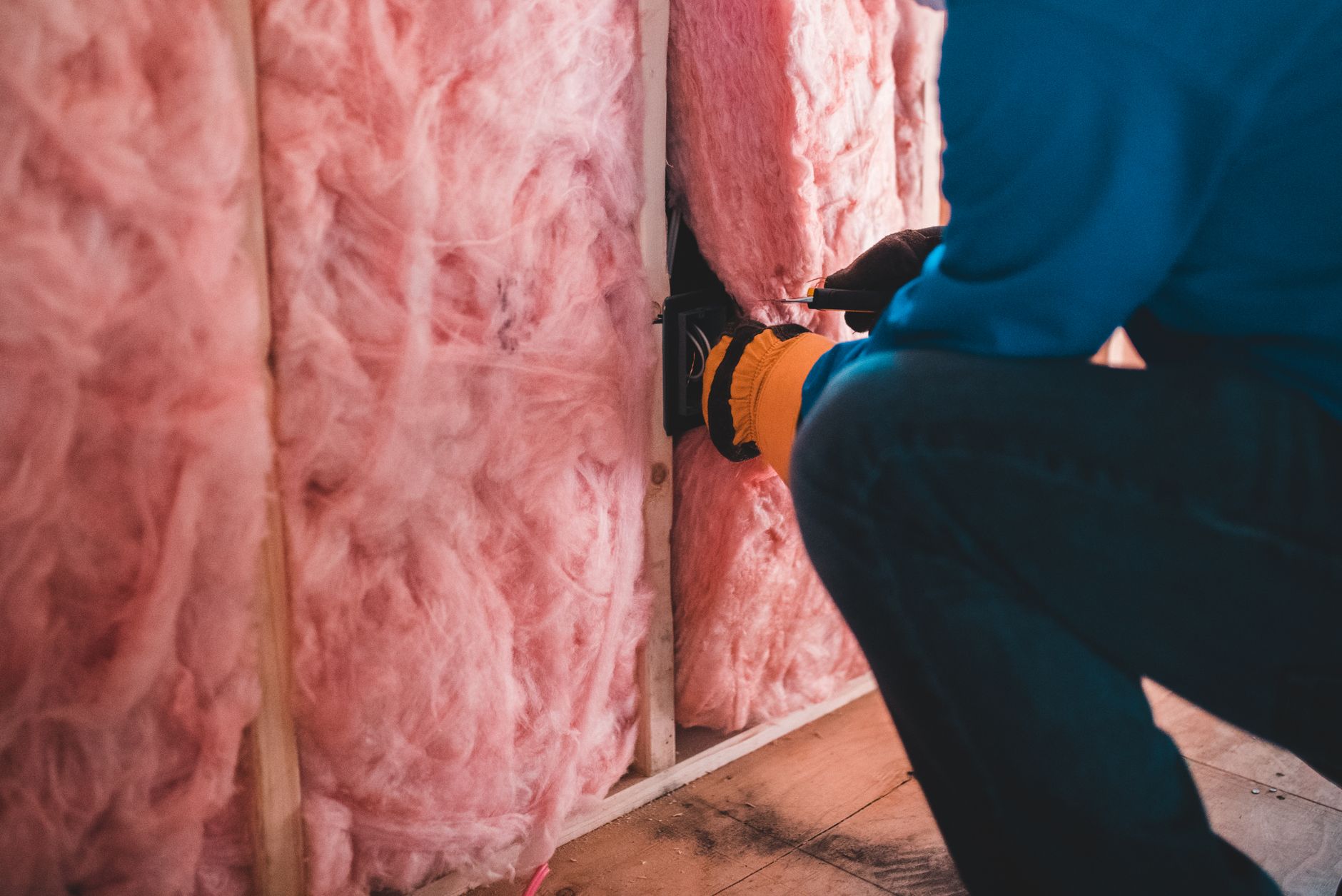
The pursuit of energy efficiency and sustainable living is a primary objective for modern housing policies. Governments frequently introduce grant initiatives and retrofit programs to encourage property owners to upgrade their heating efficiency. However, the execution of these ambitious plans can sometimes result in significant logistical and structural challenges for participating households. A staggering proportion of properties that suffered damage during a recent national insulation initiative are still waiting for necessary repairs.
Background of the Insulation Initiative
National energy retrofit programs are designed to reduce carbon emissions and lower household energy bills. By installing modern cavity wall insulation and loft upgrades, policymakers hope to create a more sustainable housing stock. Homeowners are often enticed to join these programs through financial incentives and the promise of long-term savings on utility expenses. Unfortunately, the rapid rollout of these nationwide projects can overwhelm the supply chain and lead to a shortage of vetted, qualified contractors.
Property Damage and Structural Complications
When insulation is installed incorrectly or without proper regard for a building's specific characteristics, it can trap moisture within the walls. This moisture accumulation frequently leads to severe dampness, mold growth, and rotting timber structures. Participants who expected a warmer and healthier living environment instead found themselves dealing with progressive property degradation. In many cases, the physical damage to the building fabric compromises its structural integrity and poses potential health risks to the occupants.
The Struggle for Repairs
Fixing the resulting property damage has proven to be an uphill battle for affected residents. Reports indicate that an overwhelming majority of these homes, roughly ninety percent, have not yet received the corrective work they were promised. Property owners often find themselves caught in a bureaucratic maze of contractors, administrators, and program supervisors. Each party may point fingers at another, delaying the accountability needed to fund and execute the necessary restoration work.
Impact on Affected Residents
Living in a damp or structurally compromised home takes a heavy toll on the physical and mental well-being of residents. Families must cope with persistent mold, unpleasant odors, and rooms that are difficult to heat properly despite the new insulation. Furthermore, the financial burden of pursuing legal advice or paying for independent inspections adds stress to households that may already be of modest means. The psychological strain of dealing with unfulfilled promises from public programs diminishes public trust in future environmental initiatives.
Call for Accountability and Better Oversight
Consumer advocates and housing experts are calling for greater accountability from the authorities overseeing these retrofit programs. Ensuring that contractors meet high standards of workmanship is essential before expanding any future insulation schemes. Furthermore, establishing a streamlined complaints process would help residents secure timely repairs without enduring months of administrative delays. Policymakers must address these systemic flaws to protect consumers and ensure that environmental goals do not come at the expense of residential safety.
RELATED STORIES

geo-politics
US Defense Secretary Announces Strategic Military Partnership in Venezuela
US Defense Secretary Pete Hegseth announces a new military partnership with Venezuela, featuring joint training and intelligence sharing.

geo-politics
Meta AI Executive Warns Superintelligence Is Arriving Soon
A leading Meta artificial intelligence executive warns that humanity faces crucial decisions as AI superintelligence approaches.

geo-politics
Can US Congress Stop an Iran War Like It Ended Vietnam?
Explore whether the US Congress can halt a conflict with Iran, examining historical precedents from the Vietnam War and legislative power.