Governments Versus Corporations: Who Holds Global Power Today
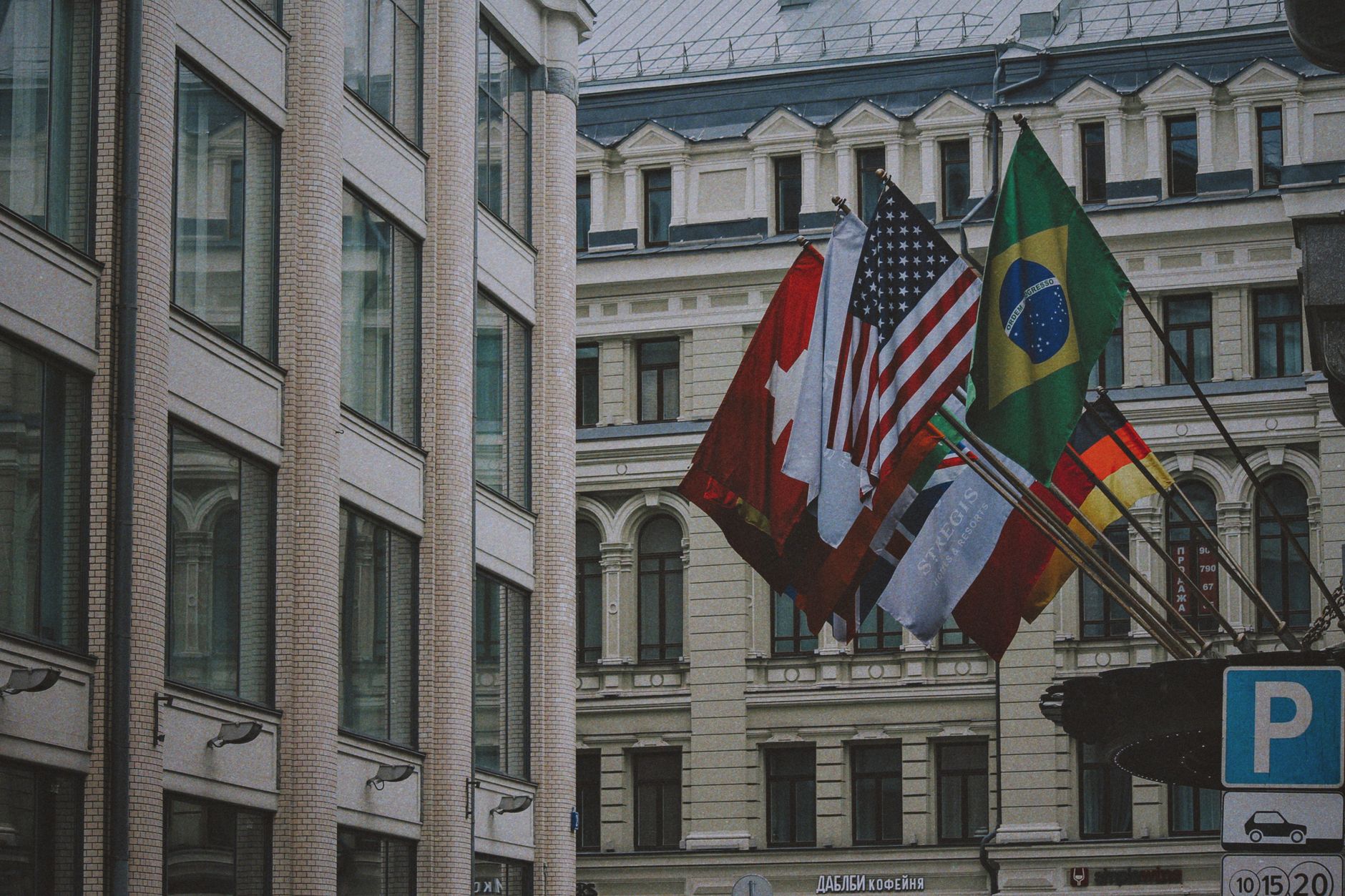
The Shift in Global Influence
The question of whether sovereign governments or massive corporations hold the true reins of global power is more relevant today than ever before. As technology advances and borders become increasingly porous due to digital commerce, the traditional balance of authority is undergoing a profound transformation. Citizens and policy experts alike are forced to reconsider where ultimate influence lies in modern society.
Historically, nation-states held a monopoly on power, defining laws, maintaining militaries, and regulating economies within their borders. Today, however, multinational enterprises wield economic clout that frequently surpasses the gross domestic product of many developing nations. This unprecedented financial leverage allows corporate entities to shape global markets, influence public policy, and impact daily life on a scale that rivals traditional governments.
The Economic Might of Enterprises
Multinational corporations operate without the geographical constraints that bind traditional governments. They can shift capital, manufacturing, and talent across the globe in a matter of seconds. This mobility gives them immense bargaining power when negotiating tax rates, environmental regulations, and labor laws with elected officials.
When a major tech giant or pharmaceutical leader threatens to relocate its operations, local governments often feel compelled to offer sweeping concessions. This dynamic raises critical questions about democratic accountability. If unelected executives can effectively steer public policy through economic pressure, the core principles of civic representation face serious challenges.
The Enduring Role of Sovereignty
Despite the formidable rise of corporate influence, sovereign governments retain unique tools that no private enterprise can replicate. Only states possess the legitimate monopoly on force, the authority to draft and enforce criminal law, and the power to levy taxes. Governments also bear the ultimate responsibility for public welfare, national security, and disaster response.
When crises strike, whether economic recessions or global health emergencies, citizens invariably look to their elected leaders for intervention and protection, not corporate boardrooms. Governments also retain the ultimate authority to break up monopolies, impose regulatory fines, and reshape the legal frameworks within which businesses must operate.
Navigating the Modern Power Dynamic
The relationship between the public and private sectors is rarely a zero-sum game of absolute dominance. Instead, it is a complex partnership defined by mutual dependence. Governments rely on private sector innovation to drive economic growth and technological progress, while corporations depend on stable governance, infrastructure, and legal systems to protect their investments and ensure market predictability.
As the twenty-first century progresses, the most successful societies will be those that establish a transparent and equitable balance between corporate ambition and state oversight. Ensuring that democratic institutions remain strong while fostering economic dynamism is the defining governance challenge of our time.
RELATED STORIES
geo-politics
European Flights Diverted Due to Bomb Threats in Second Incident This Week
Multiple European flights face sudden disruptions and diversions following bomb threats, marking the second major security scare this week.

geo-politics
Married at First Sight UK Cancelled Following Serious Allegations
Channel 4 cancels Married at First Sight UK after serious rape allegations emerge, redirecting funds into distinctive new programming.

geo-politics
Gaza Families Face Winter in Tents as Ingenious Seawater Barriers Offer Rare Relief
Discover how families in Gaza facing winter in beach tents find relief through an innovative project turning damaged cooking pots into seawater barriers.