How Midterm Defeats Shift Presidential Power from Domestic to Foreign Policy
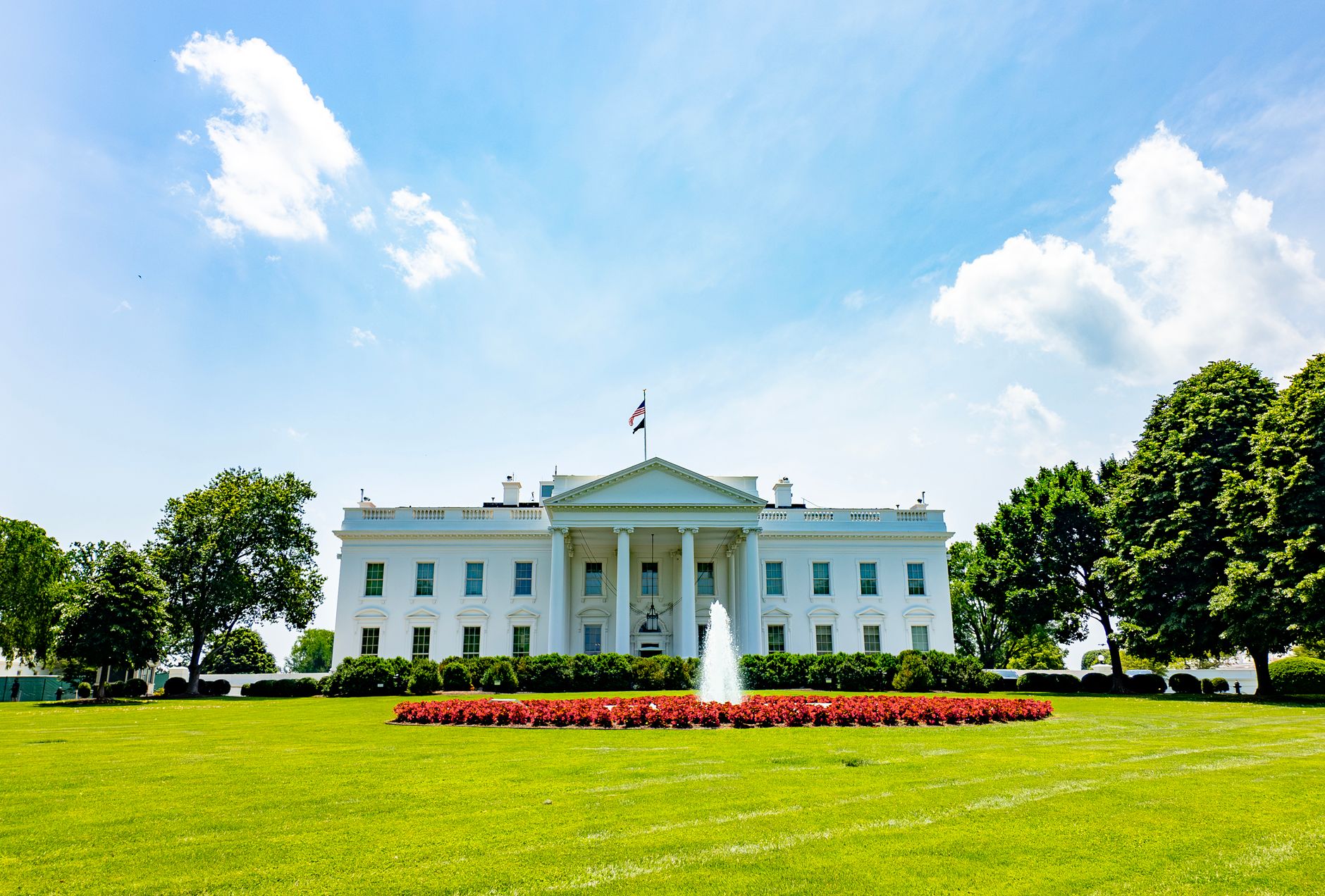
Electoral setbacks can dramatically reshape a presidential administration. When a leader faces difficult midterm outcomes, the ability to pass domestic legislation often narrows significantly. Gridlock in the legislature increases, opposition parties gain leverage, and the focus of the executive branch frequently undergoes a notable transformation. While domestic policy encounters heavier resistance, the arena of international affairs often remains a space where a chief executive retains substantial authority. Understanding Foreign Policy Shifting Dynamics Following challenging domestic votes, political leaders frequently look outward. The global stage offers opportunities to project strength and maintain momentum when internal reforms stall. Without needing legislative approval for every action, an administration can execute foreign policy directives more swiftly. This dynamic has historical precedent, showing that a constrained leader at home often becomes much more active abroad. The Constitutional Scope of Executive Authority Under many constitutional systems, the executive branch holds primary responsibility for diplomacy and national security. Treaties, executive agreements, and commander-in-chief powers provide a wide latitude of action. When domestic opposition blocks internal agendas, redirecting energy toward international relations allows a leader to secure legacy achievements. Allies and adversaries alike closely monitor these shifts, recognizing that an inward-focused political struggle can quickly translate into assertive foreign engagement. Diplomatic Strategy and Global Perception Projecting influence globally serves multiple purposes for a constrained administration. It signals strength to international partners and rivals, ensuring that the country remains a central actor in geopolitics. Furthermore, diplomatic successes can be highlighted to domestic audiences as proof of effective leadership, even when legislative compromises at home prove elusive. Navigating Future Political Challenges As political landscapes continue to evolve, the interplay between domestic limitations and international ambitions will remain a critical theme. Leaders who face reduced domestic majorities must carefully balance their priorities. While they cannot ignore internal pressures, the temptation to make a lasting mark on the world stage often guides their strategic decisions in the latter half of their term.
RELATED STORIES
geo-politics
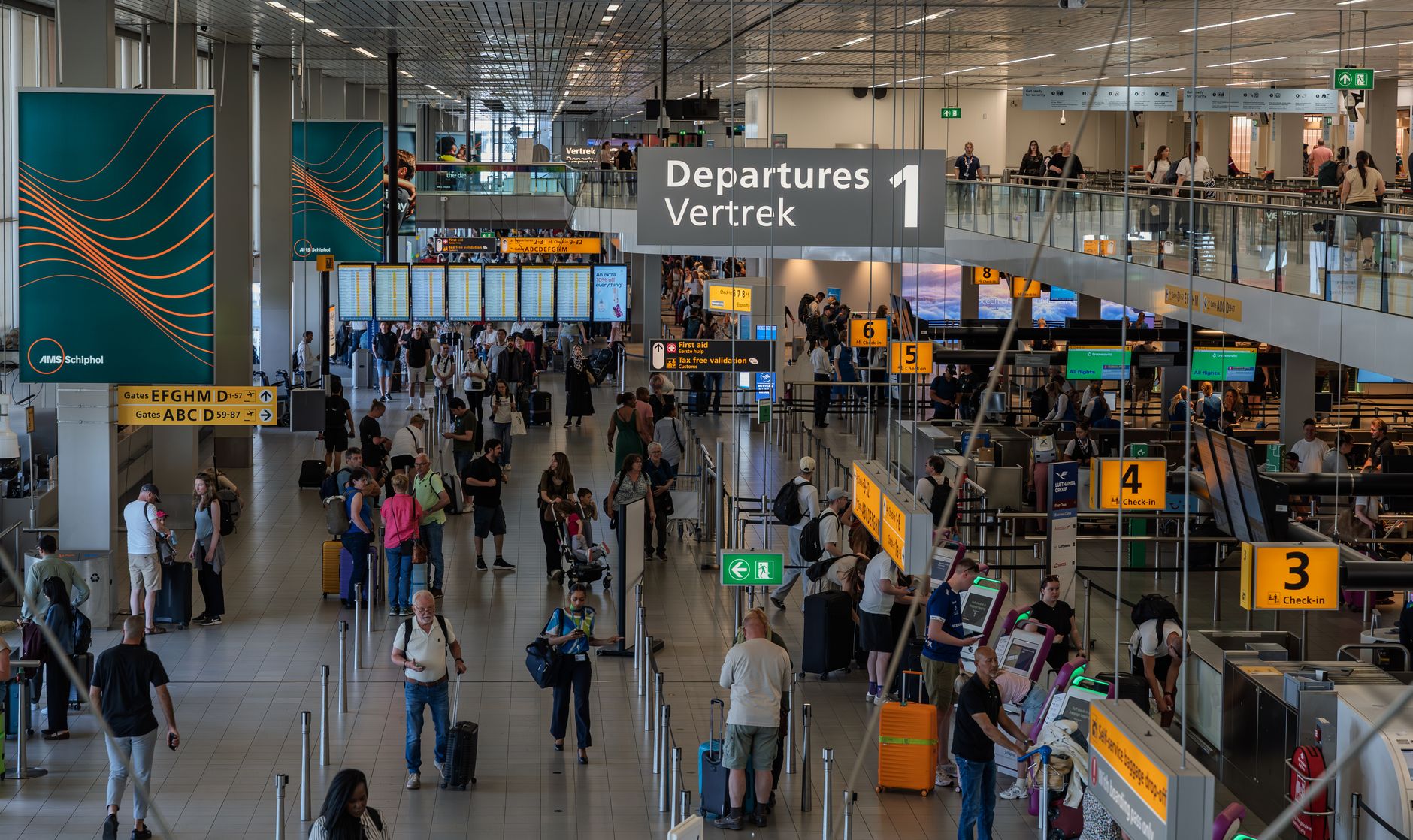
European Flights Diverted Due to Bomb Threats in Second Incident This Week
Multiple European flights face sudden disruptions and diversions following bomb threats, marking the second major security scare this week.

geo-politics
Married at First Sight UK Cancelled Following Serious Allegations
Channel 4 cancels Married at First Sight UK after serious rape allegations emerge, redirecting funds into distinctive new programming.

geo-politics
Gaza Families Face Winter in Tents as Ingenious Seawater Barriers Offer Rare Relief
Discover how families in Gaza facing winter in beach tents find relief through an innovative project turning damaged cooking pots into seawater barriers.