Why India Is Working to Secure a Russia Ukraine Black Sea Food Corridor
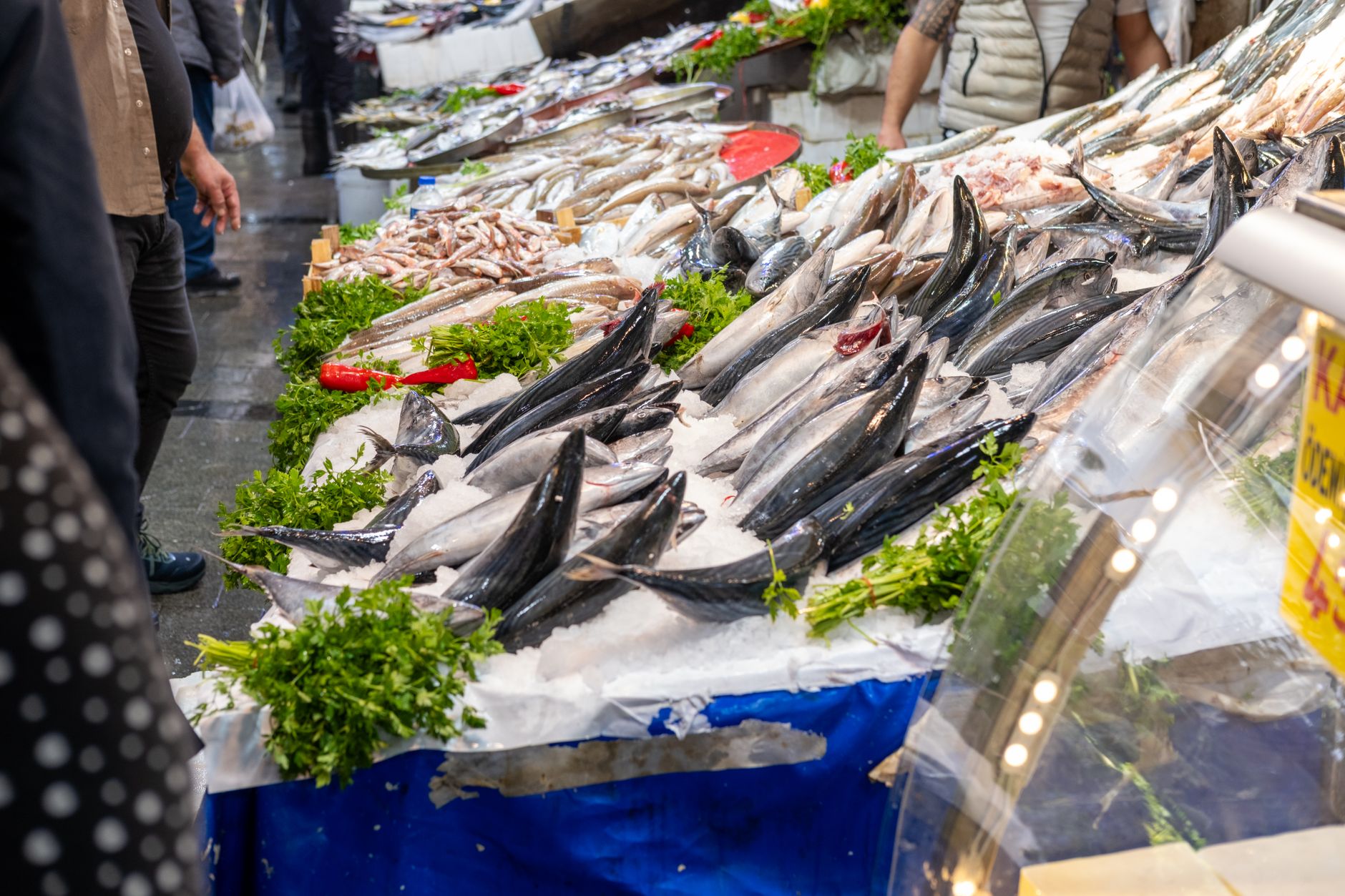
India has emerged as a potential diplomatic intermediary in the ongoing geopolitical crisis affecting global agricultural trade, specifically focusing on establishing a secure Black Sea maritime route for grain shipments. The international community continues to monitor these diplomatic efforts closely as food security concerns persist worldwide. Navigating the complexities of the conflict requires delicate negotiations, given that the involved parties maintain deeply entrenched positions.
Diplomatic Leverage and Strategic Positioning
The rationale behind the diplomatic initiative lies in the unique position New Delhi maintains on the international stage. Maintaining open diplomatic and economic channels with both governments allows for a balanced approach that few other nations can replicate. While many Western powers have isolated Moscow, India has continued its engagement while simultaneously preserving diplomatic ties with Kyiv. This dual relationship provides a foundation for mediating discussions regarding critical trade routes.
Major Obstacles in Maritime Security
Despite the unique diplomatic standing, substantial barriers threaten the success of any brokered agreement. Chief among these challenges is the guarantee of shipping security across contested waters. Commercial vessels operating in the region face severe threats from military operations, naval mines, and potential missile strikes. Without robust security guarantees and demilitarized zones, commercial insurers remain unwilling to underwrite voyages through the contested maritime corridor.
The Role of Moscow
Securing the explicit cooperation of Moscow represents another critical hurdle for the proposed trade initiative. The Russian government holds significant control over the eastern portion of the maritime zone and has specific demands regarding sanctions relief and agricultural exports of its own. Any viable agreement must address these economic and strategic demands to ensure lasting compliance. Past grain initiatives collapsed due to disputes over implementation and compliance, making a newly brokered deal exceptionally difficult to sustain.
Implications for Global Food Security
The stakes of these diplomatic maneuvers extend far beyond regional politics, directly impacting populations dependent on affordable grain imports. Disruptions to agricultural supply chains from Eastern Europe historically trigger spikes in commodity prices, hitting developing nations the hardest. A successful diplomatic breakthrough could stabilize international markets and alleviate hunger in vulnerable regions. However, until shipping lanes receive absolute protection and all parties agree to terms, the realization of a secure trade corridor remains uncertain.
RELATED STORIES

geo-politics
Israeli Parliament Sworn In As Political Rivals Vie To Form Government
The newly elected Israeli parliament has been sworn in as political leaders launch intense negotiations to form a government and determine future leadership.
geo-politics
Cameroon Announces February Date for Delayed Legislative and Local Elections
President Paul Biya has scheduled Cameroon's twice-delayed legislative and local elections for February 7, following previous postponements.
geo-politics
US Considers Iran Military Conflict Effectively Over Following Recent Developments
Discover the latest updates on US relations with Iran as leadership signals the military conflict is effectively over, maintaining a watchful status quo.