Iran Discusses Potential Shift in Longstanding Nuclear Doctrine
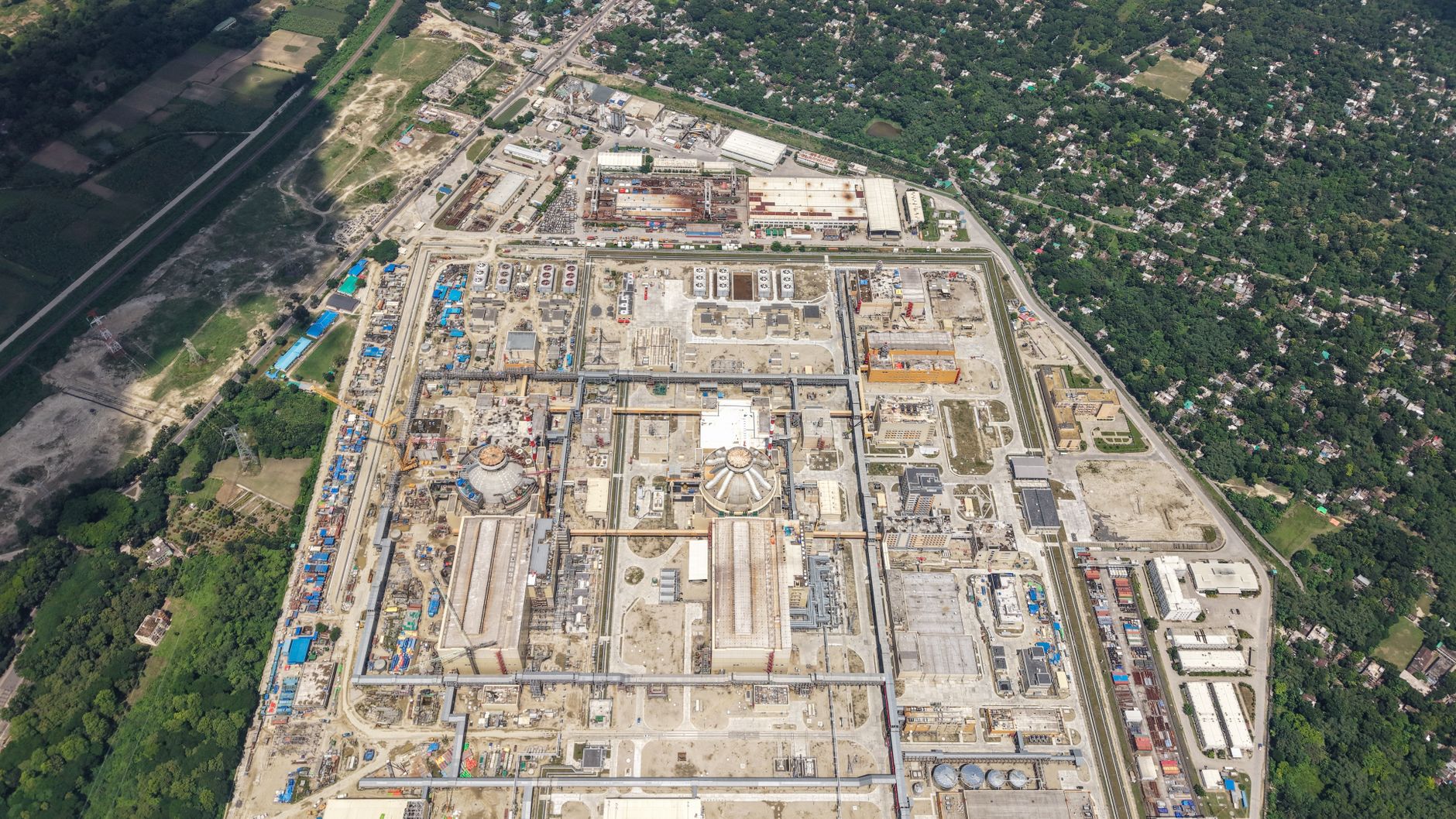
The Islamic Republic of Iran is currently engaged in a significant internal review concerning the future direction of its national nuclear strategy. Discussions at high levels of government are weighing whether to alter long-standing positions that have traditionally limited atomic development strictly to peaceful, civilian applications. Recent statements from top diplomatic officials indicate that the nation's nuclear doctrine is facing a crucial juncture as policymakers reevaluate existing security and technological frameworks.
Background on Nuclear Policy
For decades, official state policy has maintained that all atomic activities are designated exclusively for civilian purposes, such as power generation and medical research. This framework has been a cornerstone of the country's international diplomatic positioning amid years of intense negotiations and global oversight regarding its enrichment programs. Leadership has consistently asserted that atomic weaponry has no place in the nation's security architecture, aligning with religious decrees and official pronouncements issued by highest authorities.
Emerging Strategic Debates
Foreign Minister Abbas Araghchi recently highlighted that a major strategic debate is actively underway among decision-makers regarding how the nation should approach its future nuclear doctrine. This dialogue reflects shifting regional dynamics, evolving security challenges, and the broader geopolitical landscape. While officials have not detailed specific operational changes or concrete timelines for policy revision, the acknowledgment of an ongoing debate signals that established boundaries are receiving close scrutiny from key political and military strategists.
Implications for Regional and Global Security
Any potential alteration to the existing framework would carry profound implications for international relations and regional stability. Global powers and international monitoring bodies closely track these developments, as shifts in official doctrine could drastically alter diplomatic engagements and regional security calculations. As internal deliberations continue, the ultimate outcome remains uncertain, pending final decisions by the nation's highest leadership regarding the future path of its atomic capabilities.
RELATED STORIES

geo-politics
US Defense Secretary Announces Strategic Military Partnership in Venezuela
US Defense Secretary Pete Hegseth announces a new military partnership with Venezuela, featuring joint training and intelligence sharing.

geo-politics
Meta AI Executive Warns Superintelligence Is Arriving Soon
A leading Meta artificial intelligence executive warns that humanity faces crucial decisions as AI superintelligence approaches.

geo-politics
Can US Congress Stop an Iran War Like It Ended Vietnam?
Explore whether the US Congress can halt a conflict with Iran, examining historical precedents from the Vietnam War and legislative power.