Israel Election Outcomes Point to Political Stalemate and Arab Party Dilemma
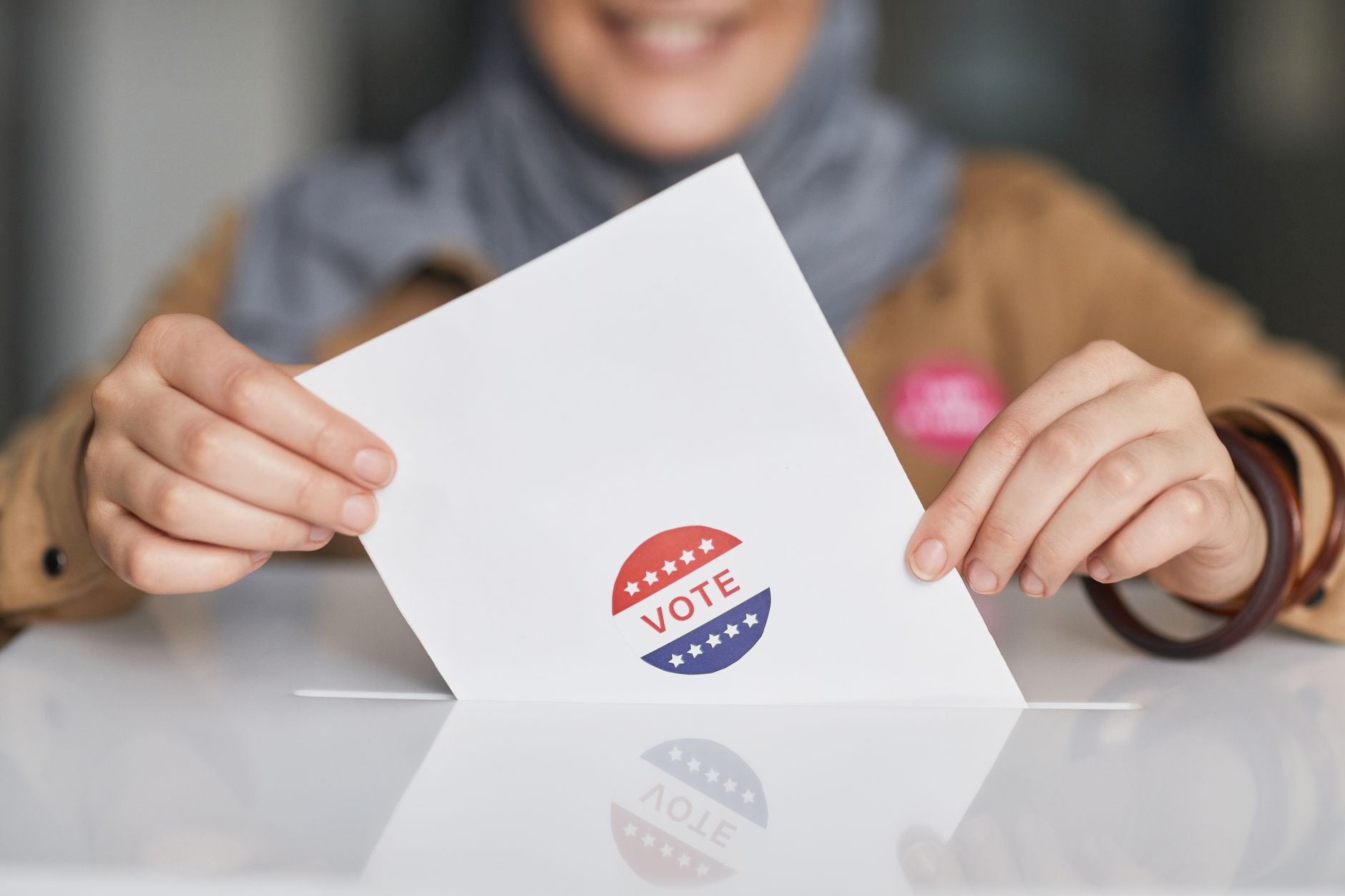
The political landscape in Israel remains deadlocked following a tightly contested national vote that left the major political factions without a clear path to a governing majority. As election results solidified, both primary blocs found themselves falling short of the required threshold to form a stable administration on their own. This mathematical reality has plunged the nation into a familiar cycle of uncertainty, where political survival depends on crossing long-standing ideological boundaries.
Political Deadlock and Parliamentary Math
For months, campaigners debated the future of the nation, weighing the desire for sweeping political transformation against deeply entrenched nationalist and anti-Palestinian sentiments. When the ballots were counted, the legislative assembly reflected a fractured electorate. Neither the incumbent-led coalition nor the challenger network could claim a decisive victory. Instead, both camps discovered they were entirely dependent on smaller factions to bridge the gap and achieve a functioning majority.
The Taboo of Arab Political Allies
In the wake of this stalemate, parties across the political spectrum face a monumental dilemma that could reshape the country's governance model. Historically, mainstream Zionist parties have maintained a strict taboo against including Arab-majority factions in governing coalitions or even relying on their outside support to form a government. Breaking this barrier would require a radical shift in strategy, opening the door for marginalized communities to finally exert direct influence over state policy and resource allocation.
However, embracing Arab political allies comes with significant electoral risks for leaders who fear alienating nationalist bases. Decades of divisive rhetoric have normalized hostility toward the Palestinian minority and their political representatives, making cooperation politically toxic for many right-of-center and centrist politicians. Yet, clinging to exclusionary principles risks plunging the nation into an endless loop of repeated balloting.
Faced with a stark choice, political architects must now weigh the cost of compromise against the exhaustion of ongoing instability. Returning to the polls offers a familiar escape hatch, but it guarantees no different outcome in a deeply polarized society. Alternatively, shattering political taboos could pave the way for a more inclusive, albeit turbulent, legislative era.
Looking Ahead at Governance
As backroom negotiations intensify, the decisions made in the coming days will dictate the direction of national policy for the foreseeable future. Party leaders are under intense pressure from constituents and international observers alike to find a workable compromise. Whether they choose to rewrite the rules of coalition-building or risk another costly election campaign remains the defining question of this political cycle.
RELATED STORIES

geo-politics
Arab Parties Exclusion in Israel Condemned as Racist by Balad Leader
Balad leader denounces the exclusion of Arab factions from government coalitions following inconclusive election results.
geo-politics
Tax Threshold Freezes Extended: What This Means For Your Take-Home Pay
Discover how the three-year extension on income tax threshold freezes impacts your salary, tax bracket, and overall take-home pay.

geo-politics
Babydoll Singer Finds Renewed Joy After Achieving UK Number One
Discover how the Babydoll singer rediscovered happiness in life and music after achieving a monumental UK number one hit following a difficult period.