Leonid Meteor Shower 2026: Peak Dates and Viewing Guide
Understanding the Leonid Meteor Shower
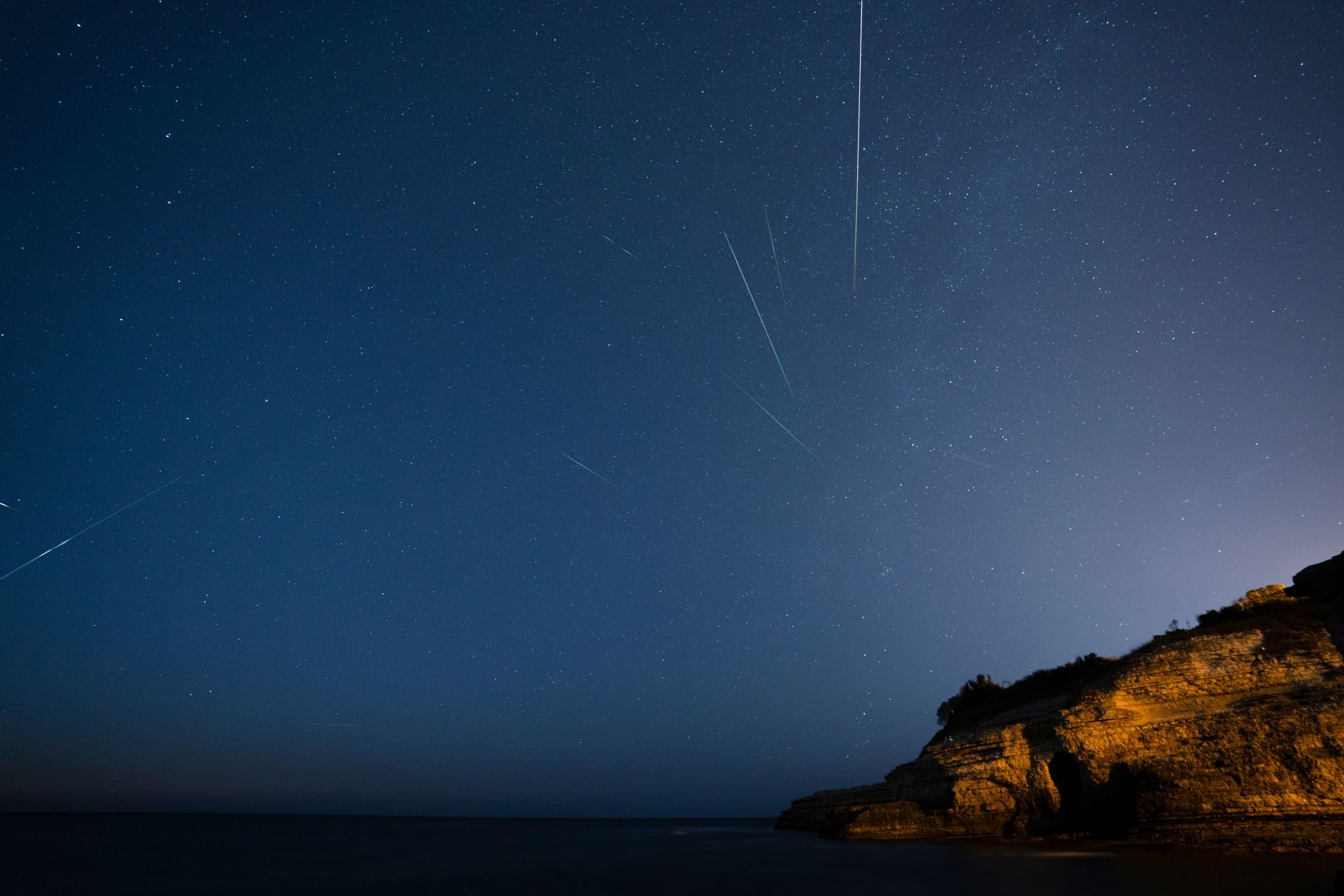
Stargazers around the globe are preparing for one of the most remarkable astronomical events of the year. The Leonid meteor shower is widely recognized as among the fastest shooting star displays observed annually. Observers look forward to this celestial occurrence as Earth passes through the debris trail left by a passing comet. The particles collide with the upper atmosphere at incredible speeds, creating bright streaks of light that captivate both amateur astronomers and casual skywatchers alike.
Peak Viewing Dates and Times
The astronomical phenomenon reaches its maximum intensity during the mid-November period. Specifically, the peak activity is anticipated on the nights of November 17 and 18. During this window, the frequency of visible meteors increases significantly. While shooting stars can be spotted throughout the night, the optimal viewing hours typically occur during the pre-dawn hours. This is the period when the part of Earth facing the direction of the meteor stream rotates into the path of the debris, offering the highest concentration of sightings.
Best Strategies for Observing from Your Location
Preparation is key to experiencing the best possible view of the night sky during the celestial event. Finding a location far away from the intense light pollution of major urban centers is strongly recommended. City lights can obscure dimmer meteors, reducing the overall number of shooting stars visible to the naked eye. Observers should seek out dark sky parks, rural areas, or elevated viewpoints where the horizon is clearly visible.
Tips for an Optimal Viewing Experience
Maximizing your chances of seeing shooting stars requires minimal equipment but a generous amount of patience. Specialized telescopes and binoculars are generally unnecessary because they limit your field of vision, making it harder to track fast-moving objects across the sky. Instead, rely on natural vision and allow your eyes twenty to thirty minutes to adjust completely to the dark surroundings. Dress warmly, bring a comfortable reclining chair or blanket, and look upward toward the darkest part of the night sky to fully appreciate the annual display.
RELATED STORIES

geo-politics
Why European Nations Are Renewing Plans for Migrant Deportations to Rwanda
Explore why five European Union member states are reviving proposals to send deported migrants to Rwanda and the concerns surrounding human rights.

geo-politics
Royal Mail Faces Threat From Competitors As Former Minister Urges Government Intervention
A former business secretary warns that rival undercutting will render Royal Mail unviable without urgent government action.

geo-politics
How the US Senate Majority Leader Is Chosen and Who Contends for Power
Discover how the US Senate majority leader is chosen as congressional control shifts, featuring potential leadership challenges within the Democratic party.