Preparing for a Black Sky Event: The UK Strategy for Power Grid Failures

Understanding the Black Sky Threat
A Black Sky event represents one of the most severe technological hazards modern societies might ever face. Such a catastrophe would abruptly disrupt critical infrastructures across the country, leaving millions of residents entirely without electricity, running water, and reliable communication channels. Because contemporary society depends heavily on interconnected digital and electrical systems, a failure of this magnitude would cascade rapidly through every sector of daily life.
Assessing National Vulnerability
The fundamental concern regarding a sweeping grid failure is the speed at which essential services grind to a halt. Without electrical power, water treatment facilities stop pumping, fuel distribution networks stall, and financial transaction systems go dark. Emergency services would suddenly find themselves operating without standard communication tools. Governments and resilience planners must evaluate how vulnerable these tightly integrated networks truly are to extreme disruptions.
Evaluating UK Readiness and Resilience
Given the severity of the potential impact, evaluating the level of preparedness within the United Kingdom remains a top priority for emergency planners. Authorities constantly review contingency measures to ensure that vital national infrastructure can withstand major shocks or recover swiftly if compromised. These preparations involve strengthening physical assets, diversifying energy sources, and creating robust backup protocols for emergency communications.
The Role of Emergency Response Planning
Effective crisis management relies heavily on advanced coordination between government agencies, utility providers, and local authorities. In the event of a total blackout, designated response protocols would immediately activate to secure critical locations such as hospitals and government command centers. Emergency stockpiles and emergency power generators serve as temporary stopgaps while technical teams work to restore primary network functions.
Strengthening Individual and Community Preparedness
Beyond institutional safeguards, resilience experts emphasize the importance of community and individual readiness. Households are frequently encouraged to maintain basic emergency supplies, including non-perishable food, bottled water, and battery-powered radios, to sustain themselves during the initial phase of a major outage. Public awareness campaigns aim to educate citizens on how to remain safe and self-sufficient while emergency services manage the broader crisis.
Conclusion on Future Infrastructure Security
As technological landscapes evolve, the strategies required to protect society from extreme hazards must adapt accordingly. Addressing the risks posed by a Black Sky event demands continuous investment, rigorous testing of backup systems, and proactive collaboration across all levels of society. By prioritizing infrastructure security and emergency readiness, the nation can better safeguard its population against the unthinkable prospect of a total blackout.
RELATED STORIES

geo-politics
Paraguay President Santiago Peña Impeached Following Major Banking Crisis
Paraguay President Santiago Peña has been removed from office following a severe banking collapse that blocked citizens from accessing their money.
geo-politics
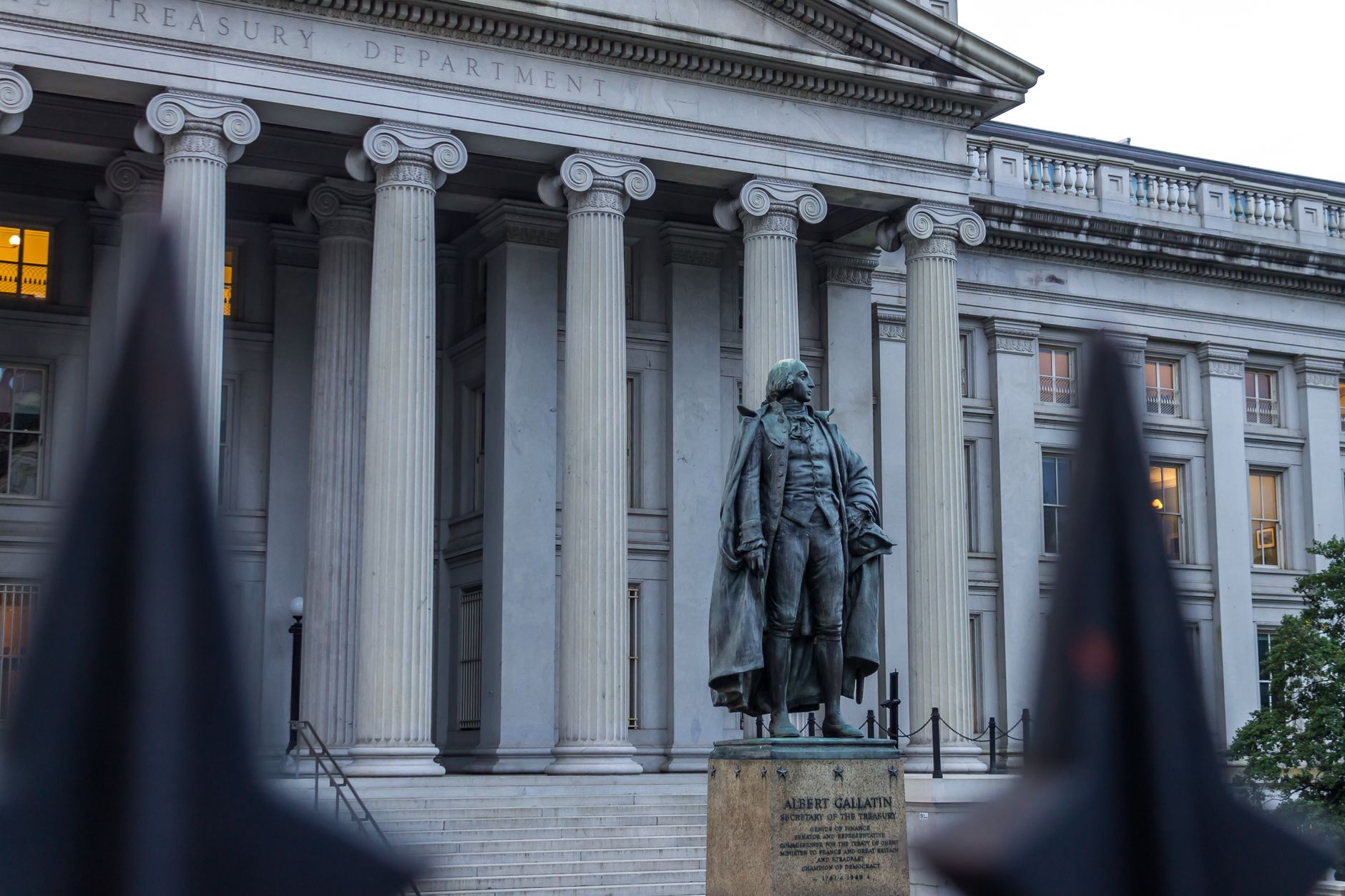
US Treasury Imposes Sanctions on Eight Canadian Money Exchange Firms Over Iran Connections
The US Treasury has sanctioned eight Canadian currency exchange businesses for alleged financial ties to Iran and narcotics trafficking networks.

geo-politics
Married at First Sight UK Cancelled Following Panorama Investigation
Married at First Sight UK has been cancelled after a BBC Panorama investigation revealed serious allegations from three former participants.