The Root Causes of the African National Congress Implosion
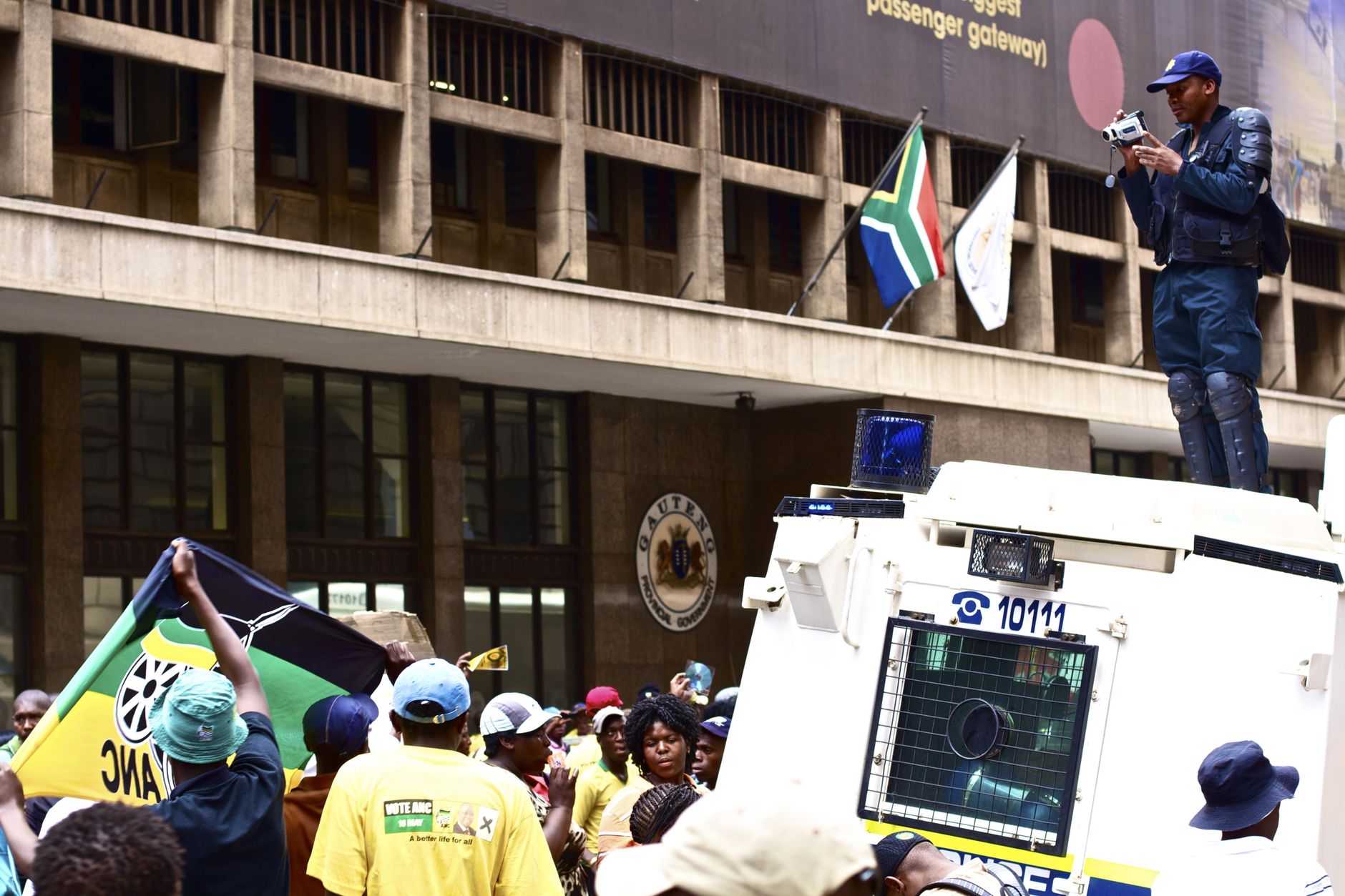
The African National Congress has faced a profound shift in its political fortunes, transitioning from a liberation movement that united a nation to a party fighting for its very political survival. This dramatic decline did not happen overnight. Instead, the current crisis is the culmination of decades of internal fractures, policy missteps, and governance challenges that steadily eroded public trust.
Historical Context and Early Successes
Following the end of apartheid, the ruling party inherited an economy characterized by deep inequality and infrastructural deficits. During the presidency of Thabo Mbeki, the administration focused on macroeconomic stability and fiscal discipline. While these policies yielded notable financial gains and established a foundation for growth, they often failed to adequately address the immediate socio-economic needs of the impoverished majority.
The Leadership Era of Jacob Zuma
The subsequent administration under Jacob Zuma saw a departure from earlier fiscal strategies. The economic momentum built during the previous decade was largely squandered amidst widespread allegations of state capture, corruption, and institutional weakening. Public resources were frequently mismanaged, which severely impacted service delivery and drained state coffers. The party apparatus became increasingly factionalized, prioritizing internal power struggles over the welfare of the citizens.
Promises of Renewal Under Cyril Ramaphosa
When Cyril Ramaphosa assumed the presidency, he campaigned heavily on a platform of renewal, anti-corruption, and economic revitalization. Citizens and international observers anticipated a swift turnaround. However, the anticipated reforms faced fierce resistance from entrenched internal factions. A pattern of hesitation and delayed decision-making slowed the implementation of critical policy changes.
From Reform to Political Survival
What was initially framed as an ambitious agenda for national renewal gradually devolved into a defensive strategy aimed at political survival. The failure to decisively address systemic corruption and economic stagnation alienated voters. Consequently, the party experienced unprecedented electoral setbacks at the polls, signaling a profound loss of confidence from the electorate.
Looking Toward the Future
The current trajectory of the African National Congress highlights the immense challenges of maintaining political dominance without delivering consistent, tangible improvements in the daily lives of the population. As the political landscape in the country continues to diversify, the historical ruling party must confront its foundational weaknesses if it hopes to remain a relevant force in modern governance.
RELATED STORIES
geo-politics
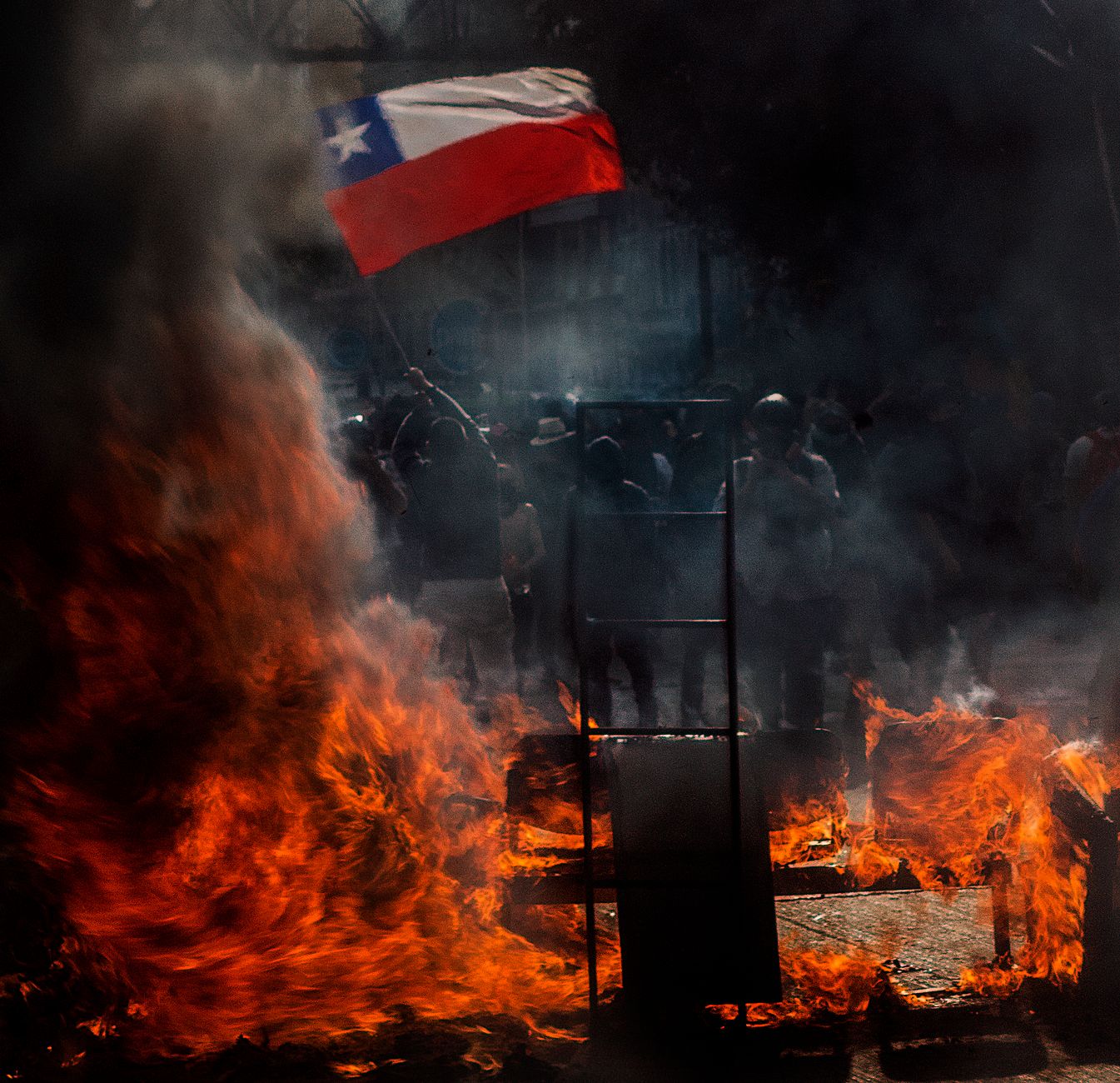
Chile President Jose Antonio Kast Faces Mounting Protests and Fuel Crisis
Chilean President Jose Antonio Kast faces growing public anger, transport strikes, and widespread protests driven by soaring fuel costs and economic pressures.

geo-politics
Italy Fines Meta $880M Over Serious Photo Privacy Violations
Italy penalizes Meta with an $880 million fine due to photo privacy breaches, citing poor cooperation and massive user impact.
geo-politics
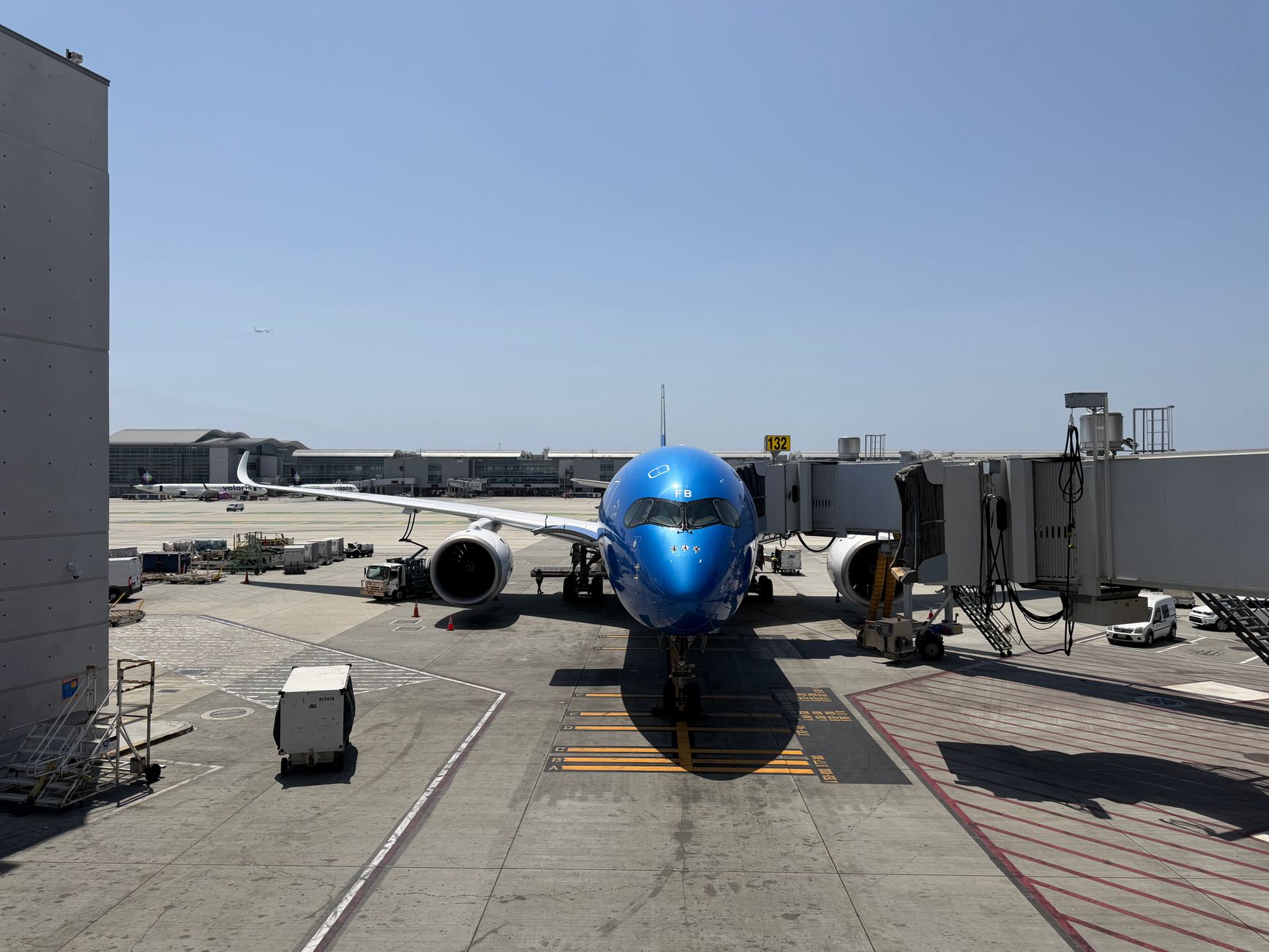
US Flight Ground Stop Issued by FAA Following Major Telecom Failure
The Federal Aviation Administration issues a nationwide ground stop for departing US flights following a critical telecommunications system outage.