Trump Administration Divided on Iran Strategy as Blockade is Considered

Strategic Divisions Within the Administration
The foreign policy team surrounding the president appears increasingly divided regarding the best approach toward Tehran. Observers note a distinct philosophical split among key advisors, with some favoring aggressive containment measures and others advocating for negotiated settlements. This internal debate shapes how the administration responds to ongoing regional tensions and dictates the trajectory of future foreign policy decisions.
The Debate Over Military Action Versus Diplomacy
At the center of the discussion are competing viewpoints on how to handle the security challenges posed by Iran. Certain high-ranking officials have signaled support for hardline tactics, including a naval blockade and heightened economic restrictions to severely limit the nation's financial capabilities. Conversely, other members of the leadership circle emphasize the importance of pursuing diplomatic channels to secure a lasting agreement, aiming to avoid prolonged military conflict in the region.
Implementing a Drawn-Out Economic Pressure Campaign
Unable to reach a full consensus on whether to pursue direct military confrontation or immediate diplomatic engagement, the administration appears to be leaning toward a middle ground. Rather than launching a swift offensive or entering formal peace talks prematurely, officials are gravitating toward a sustained economic pressure campaign. This strategy relies heavily on trade restrictions, financial sanctions, and strict enforcement measures designed to weaken state resources over an extended period.
Assessing the Impact of Potential Blockades
The discussion surrounding a potential blockade highlights the administration's focus on maritime and economic choke points. Supporters argue that restricting the flow of goods and resources is a measured way to exert maximum leverage without committing ground troops to a volatile theater. Critics, however, warn that such measures carry significant economic risks and could escalate regional frictions into unintended military clashes.
Looking Ahead at US Foreign Policy
As the administration continues to navigate these complex policy choices, the balance between economic warfare and diplomatic overtures remains delicate. The ultimate direction of US strategy toward Iran will likely depend on how these internal disagreements are managed and whether international partners align with the chosen enforcement campaign. For now, the administration is proceeding with a cautious approach centered on long-term economic isolation.
RELATED STORIES
geo-politics
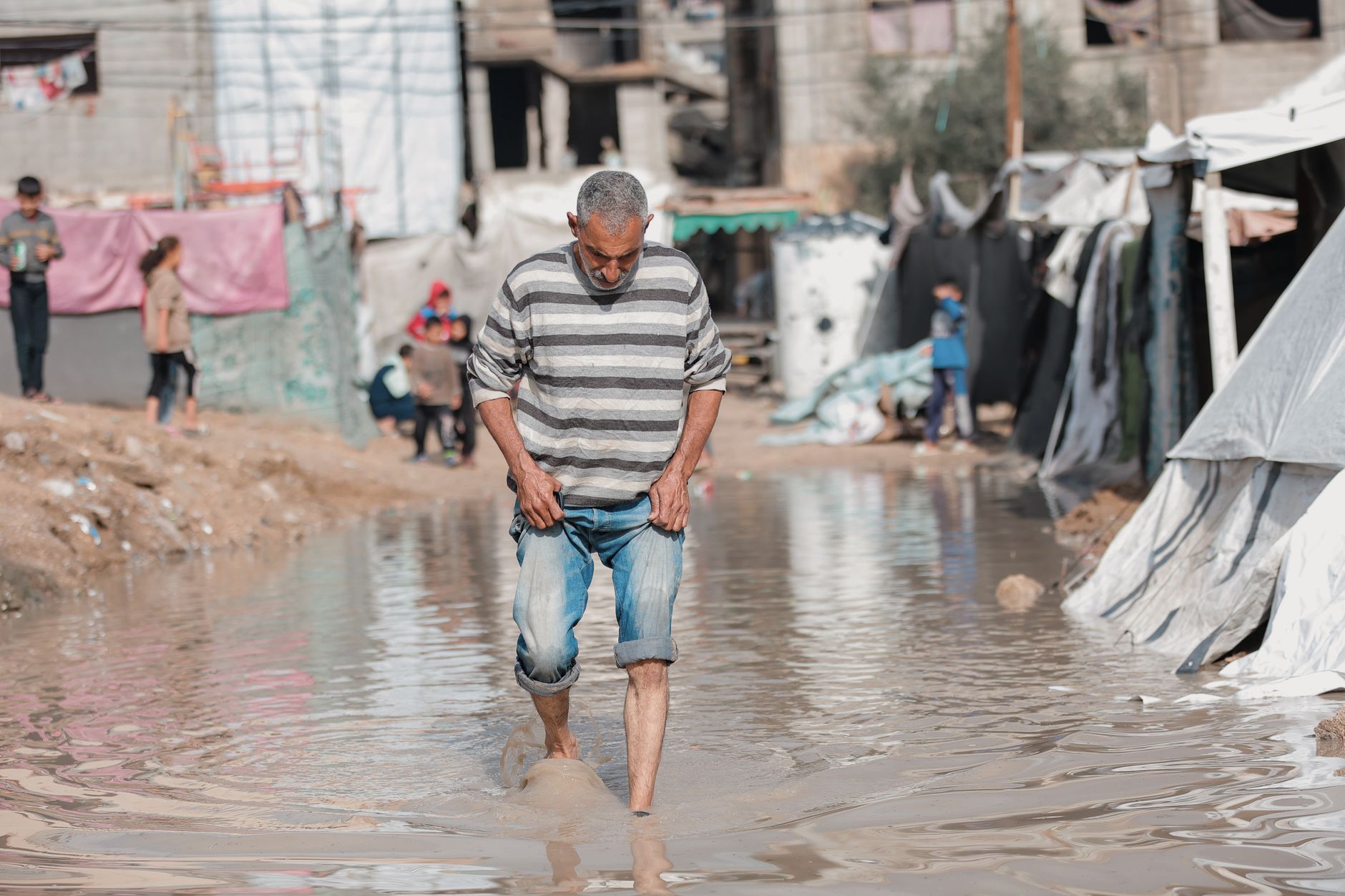
Gaza Floods Subside as Families Assess Devastating Human and Material Toll
Discover how families in Gaza are assessing severe human and material damage after devastating floods and a tragic sandbank collapse in Deir el-Balah.
geo-politics
US Military Aid to Israel: President Trump Announces End to Funding
US President Donald Trump announces plans to terminate billions of dollars in annual US military aid to Israel, reshaping the future of bilateral defense.

geo-politics
Italy vs France UEFA Nations League Preview and Team Updates
Preview of the UEFA Nations League clash between Italy and France at the San Siro, featuring team news and group standings.