Understanding the Escalating Unrest in Bangladesh Amid Planned Political Returns
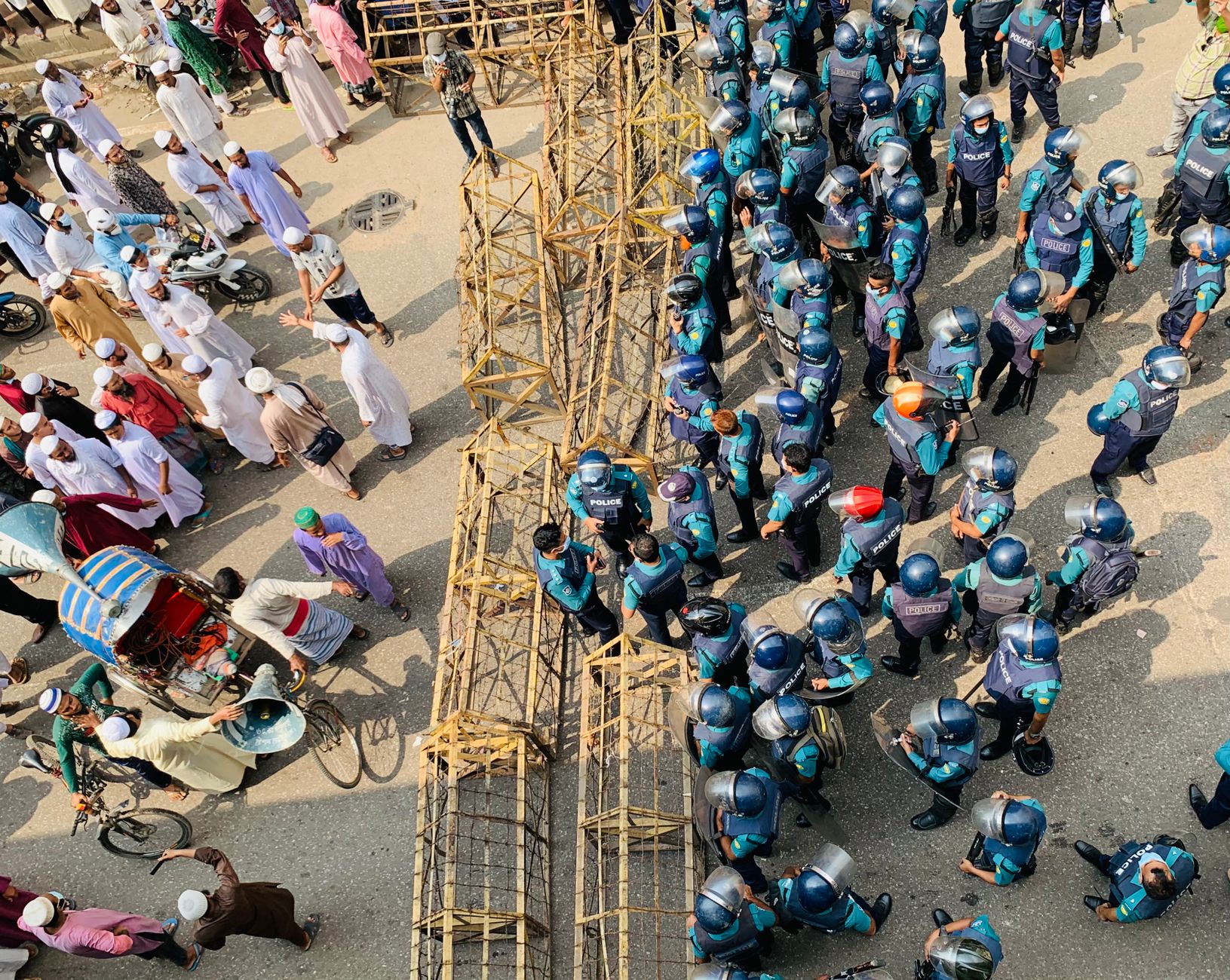
Political Tensions Peak in South Asia
Recent events in Bangladesh have highlighted deep political divisions as supporters and opponents clash over the potential return of former leadership. The nation has experienced significant street protests and localized violence, drawing international attention to the fragility of the current political climate.
Background of the Exile and Political Shift
The former prime minister currently resides in India following a forced departure prompted by mass civil unrest. The transition of power that followed left a vacuum filled by interim authorities tasked with stabilizing the nation and preparing for future democratic elections. However, questions regarding accountability, justice, and the rehabilitation of the previous administration remain contentious.
Triggers for the Latest Protests
The recent wave of demonstrations was sparked by official resistance and public rejection regarding the planned comeback of the ousted leader. Loyalist factions took to the streets to demand political inclusion and the reinstatement of their leadership, viewing the current government as illegitimate.
Clashes and Public Discontent
Counter-protesters and critics of the former administration quickly mobilized to oppose these demonstrations, arguing that allowing a return would undermine the sacrifices made during the uprising. These opposing factions clashed in major urban centers, resulting in property damage and injuries.
Security Response and Law Enforcement
Security forces have stepped up patrols and implemented strict measures to maintain order. Authorities face the complex challenge of balancing the right to peaceful assembly with the urgent need to prevent widespread destruction and protect public safety.
Implications for Democratic Stability
The ongoing turmoil poses severe challenges to the transitional government's efforts to establish lasting peace and institutional reform. Analysts warn that continued polarization could delay critical economic recoveries and democratic consolidation.
Looking Ahead
As the political landscape remains tense, domestic and international observers urge all parties to pursue dialogue over confrontation. The path forward will depend heavily on the ability of national institutions to mediate grievances and ensure transparent processes.
RELATED STORIES

geo-politics
US Defense Secretary Announces Strategic Military Partnership in Venezuela
US Defense Secretary Pete Hegseth announces a new military partnership with Venezuela, featuring joint training and intelligence sharing.

geo-politics
Meta AI Executive Warns Superintelligence Is Arriving Soon
A leading Meta artificial intelligence executive warns that humanity faces crucial decisions as AI superintelligence approaches.

geo-politics
Can US Congress Stop an Iran War Like It Ended Vietnam?
Explore whether the US Congress can halt a conflict with Iran, examining historical precedents from the Vietnam War and legislative power.