Airbus Reaffirms Annual Delivery Goals Amid Year-End Production Push
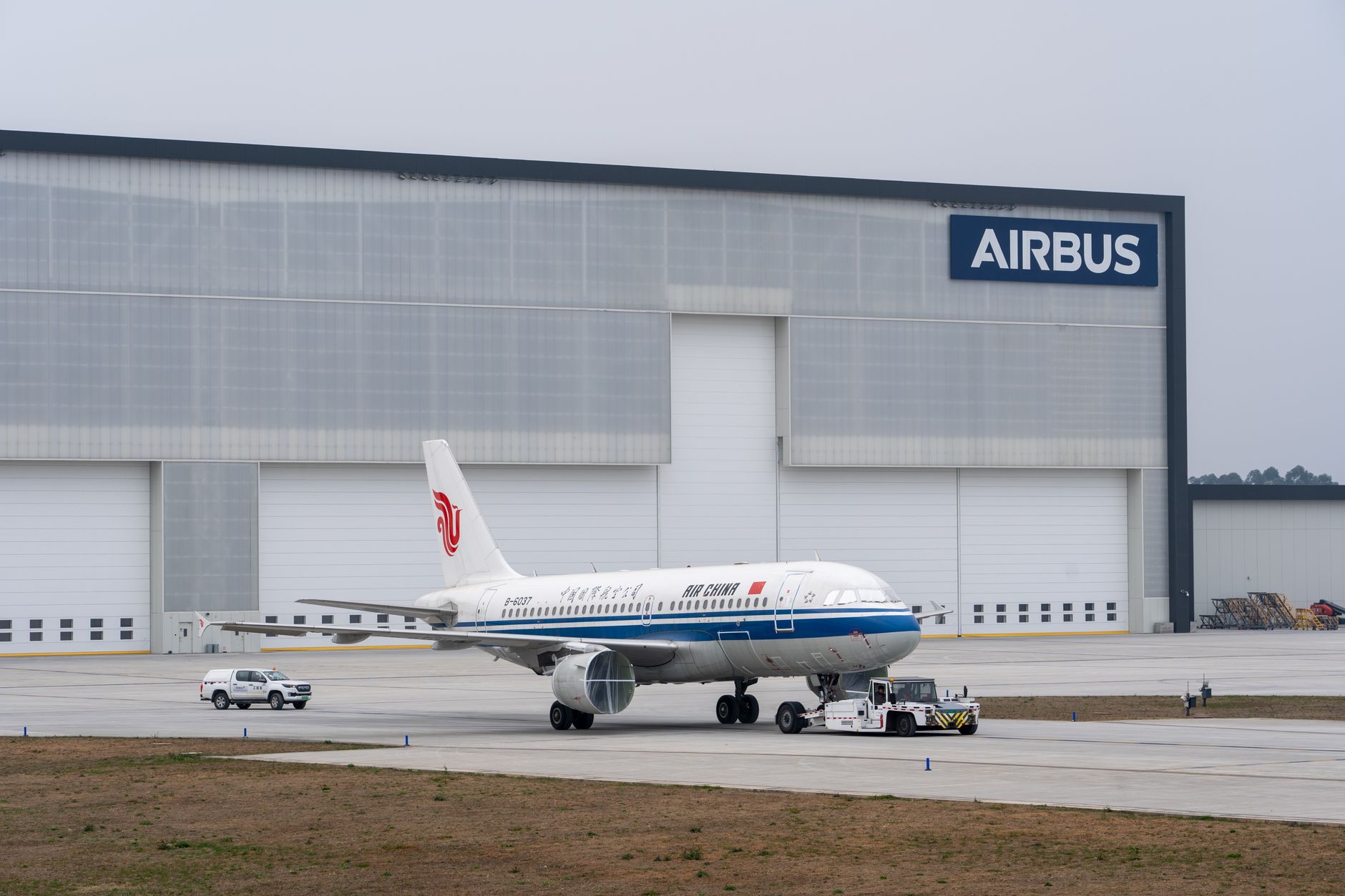
Aerospace giant Airbus has officially confirmed its financial and operational objectives for the year, signaling strong confidence in its manufacturing capabilities. Company leadership remains steadfast in maintaining previous guidance, heavily relying on a substantial acceleration in aircraft handovers during the concluding months of the period.
Introduction to the Annual Strategy
The aviation manufacturing sector continues to navigate a complex landscape defined by supply chain constraints and component shortages. Despite these industry-wide headwinds, the European plane maker has chosen to stand by its original performance metrics. Management believes that structural adjustments and improved factory throughput will allow the organization to reach its slated milestones.
Logistical hurdles have repeatedly tested the resilience of major aerospace firms over recent years. Engine availability and interior cabin materials have frequently created bottlenecks on the final assembly lines. Even with these persistent challenges, the enterprise asserts that its mitigation strategies are taking effect as planned.
Understanding the Year-End Delivery Surge
A critical element of the corporate strategy involves a massive ramp-up in final handovers scheduled for the final quarter. Historically, the aerospace industry often experiences a concentration of customer handovers toward the end of the calendar year as final safety certifications clear and airline clients finalize paperwork.
Factory teams are currently operating under intensified schedules to ensure that completed jets move swiftly from tarmac testing to commercial operators. This seasonal surge requires meticulous coordination between internal production units, external suppliers, and regulatory agencies responsible for airworthiness sign-offs.
Financial Implications and Market Outlook
Meeting these ambitious targets carries significant weight for stakeholder confidence and overall financial health. Cash flow generation in the aerospace sector is heavily tied to the moment an aircraft officially changes hands and the final payment installment is settled.
Equity analysts and market observers have been closely monitoring the manufacturer to see if supply chain friction would force a downward revision of annual goals. By holding firm on the projections, executive leadership has signaled that operational bottlenecks are under control and within previously modeled tolerance levels.
Looking Ahead at Production Rates
Beyond the immediate push for the final quarter, long-term planning remains focused on steadily increasing baseline manufacturing rates. Supply chain stabilization continues to be the primary operational priority for executive teams across all major facilities.
As the industry adapts to a permanently altered economic environment, strategic adaptability will remain a key differentiator. The coming months will test whether the expected surge in final handovers unfolds smoothly enough to secure the year-end targets without compromising safety or quality standards.
RELATED STORIES

stock-market
Prosperity Bancshares Investment Analysis: Why This Regional Bank Remains Strong
Discover why financial analysts continue to favor Prosperity Bancshares as a resilient regional bank investment with strong fundamentals.

stock-market
Stepan Company Q3 2026 Financial Results and Business Overview
Explore the Stepan Company Q3 2026 financial performance, earnings highlights, and strategic business updates based on the latest corporate earnings call.

stock-market
Worldline SA Q3 2026 Sales And Trading Call Overview
Review the highlights from Worldline SA for the third quarter of 2026 sales and trading performance insights.