Banco Santander Analysis: Assessing Brazilian Headwinds and Income Potential
Introduction
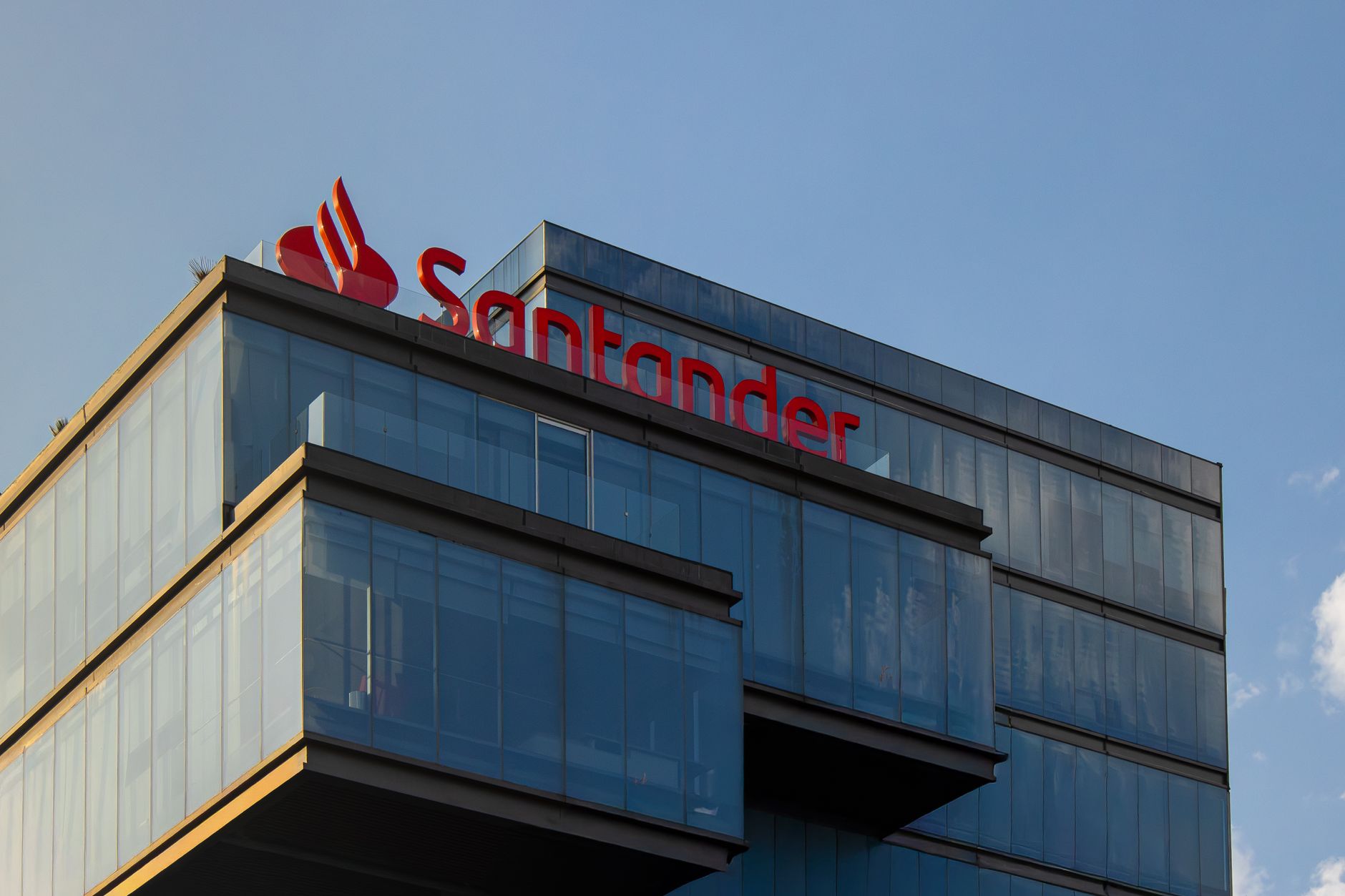
Evaluating major international financial institutions requires a careful balance between underlying operational strength and macroeconomic volatility. Banco Santander presents a complex picture for market participants. While its core financial fundamentals demonstrate resilience, regional challenges, particularly in Brazil, create notable hurdles. Furthermore, investors seeking steady income streams may find the current yield profile somewhat restrictive given prevailing market conditions.
Understanding Core Fundamentals
Banco Santander maintains a robust operational foundation characterized by diversified geographic revenue streams and a substantial customer base. The institution has historically managed its capital ratios prudently, ensuring compliance with stringent regulatory frameworks across its primary operating regions. Asset quality metrics remain relatively stable, reflecting disciplined risk management practices even during periods of macroeconomic uncertainty. These strengths provide a reliable bedrock for the banking group, shielding it from localized shocks to a certain extent.
However, the sheer scale of the organization also means that growth can sometimes be difficult to accelerate rapidly. Profitability margins are constantly tested by fluctuating interest rate environments and competitive pressures in European and Latin American markets. Efficiency ratios show gradual improvement, yet management must continually optimize operations to counter inflationary pressures that impact operating expenses globally.
Brazil Headwinds and Regional Challenges
A significant portion of the conversation surrounding the banking group involves its exposure to Latin America, most notably Brazil. The Brazilian market has traditionally served as a major engine for growth and profitability. At the same time, this region introduces considerable volatility.
Economic headwinds in Brazil, including currency fluctuations, shifting fiscal policies, and variable inflation rates, often create turbulence for financial institutions operating heavily within the country. High domestic interest rates can constrain credit demand while simultaneously increasing the cost of funding. Consequently, provision expenses for credit losses tend to rise when economic momentum slows down in the region.
These regional dynamics frequently overshadow the steady performance generated in more stable European markets. Investors analyzing the overall portfolio must weigh the high-growth potential of South American operations against the inherent risks of currency depreciation and regulatory shifts.
Income Appeal and Dividend Profile
For income-focused investors, yield is a primary consideration when evaluating banking equities. Banco Santander offers a dividend payout, but the overall income appeal is often viewed as limited compared to specialized yield instruments or domestic peers with aggressive payout strategies.
Management typically balances shareholder remuneration with the need to retain capital for future expansion and regulatory compliance. While dividend distributions remain consistent, the yield may not satisfy investors who rely primarily on high-dividend equities for immediate cash flow. Moreover, currency conversions can affect the actual payout received by international shareholders, adding another layer of unpredictability to the income stream.
Strategic Outlook and Investor Considerations
Looking ahead, the trajectory of the banking group depends heavily on its ability to navigate emerging economic conditions. Digital transformation initiatives and cost-containment programs are expected to support long-term operational efficiency. By streamlining branch networks and enhancing digital banking platforms, the institution aims to capture younger, tech-savvy demographics while reducing overhead costs.
At the same time, external factors outside of management control will dictate near-term sentiment. Relief from inflationary pressures and a more stable macroeconomic environment in Brazil would significantly enhance the bull case for the stock. Conversely, prolonged currency weakness or deteriorating credit metrics in key emerging markets could pressure valuations further.
Conclusion
Banco Santander remains a fundamentally sound financial institution with a globally diversified footprint. Yet, prospective investors must carefully weigh these operational strengths against the persistent headwinds emanating from Brazil and a relatively modest income profile. A balanced approach is essential when considering this equity within a broader long-term investment strategy.
RELATED STORIES

stock-market
Hinge Health Executive Chairman Executes Major Stock Sale Totaling Over Twenty Four Million Dollars
Discover the latest insider trading details as Hinge Health executive chairman sells over twenty four million dollars in company shares.

stock-market
Anthropic IPO Highlights Uninsurable Risks in Artificial Intelligence
As Anthropic approaches an IPO, investors face unprecedented uninsurable risks regarding catastrophic legal liabilities in artificial intelligence.

stock-market
Nvidia Stock Declines Following Market Reactions to Jensen Huang Departure
Nvidia stock drops in premarket trading as investors react to the news surrounding Jensen Huang and potential fallout.