Firefly Secures $1.3 Billion Engine Agreement for AST SpaceMobile Rocket
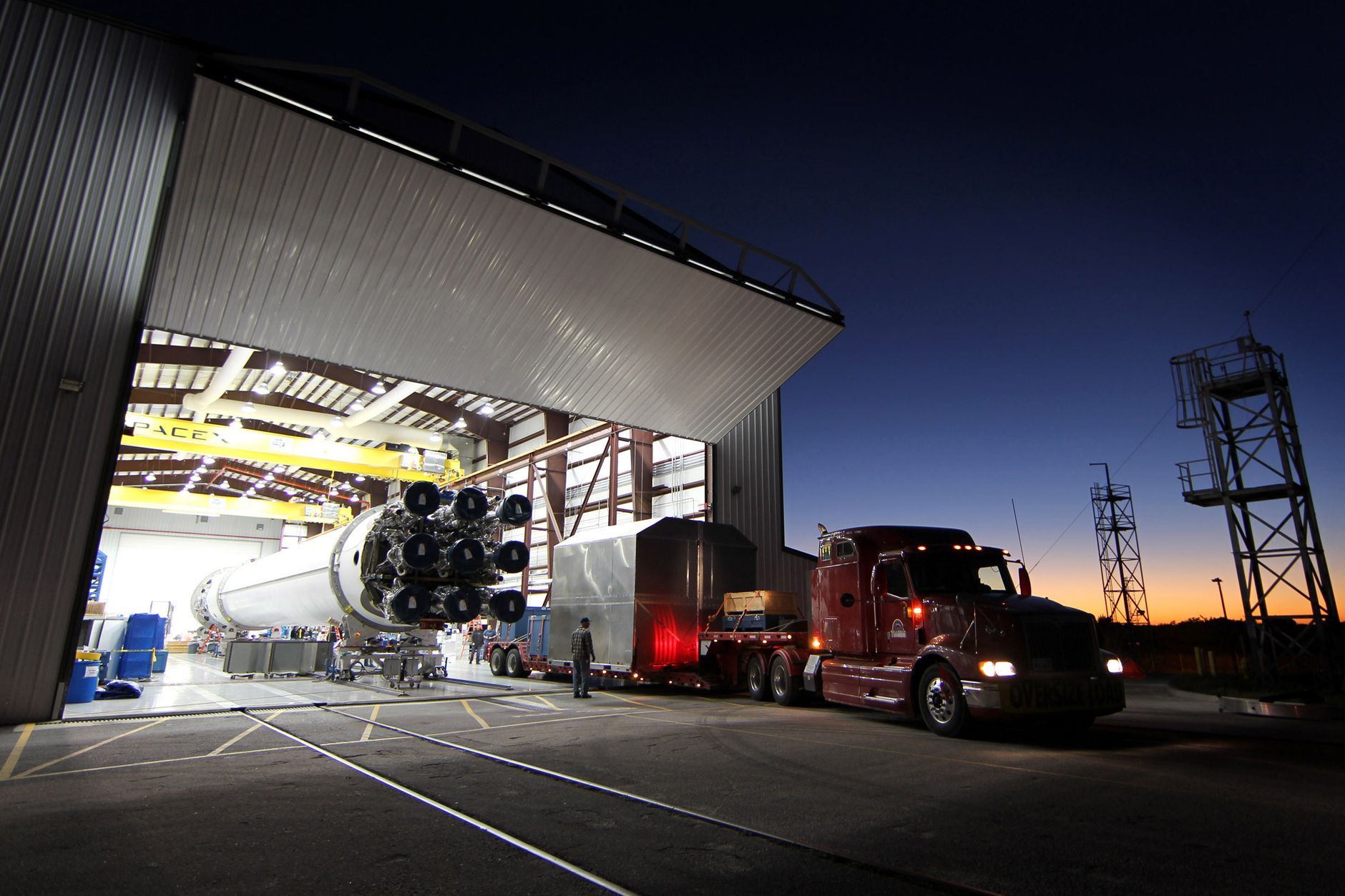
Aerospace manufacturing has reached a significant financial milestone with a major agreement finalized within the commercial launch sector. Firefly Aerospace has officially secured a massive contract valued at $1.3 billion to supply propulsion systems for an upcoming heavy-lift launch vehicle.
The recipient of these advanced propulsion technologies is AST SpaceMobile, which is currently developing a new rocket system designed to enhance orbital deployment capabilities. This multi-year agreement highlights the growing demand for reliable, high-performance launch infrastructure to support expanding satellite constellations.
Industry Background And Strategic Importance
The commercial space industry relies heavily on strategic partnerships between specialized engine manufacturers and launch vehicle developers. AST SpaceMobile has been advancing its strategic roadmap to ensure independent, dependable access to low Earth orbit. Securing a dedicated propulsion supplier is a critical step in realizing these long-term deployment goals.
Firefly Aerospace has steadily built its reputation as a dependable provider of launch and in-space services. By capturing this substantial financial commitment, the company cements its manufacturing capabilities and demonstrates its readiness to support enterprise-scale rocket development programs.
Financial Structure And Market Impact
The $1.3 billion valuation reflects the high complexity and immense engineering requirements associated with modern rocket engines. Large-scale supply agreements of this nature typically span multiple years, covering development, testing, and continuous manufacturing phases.
Market analysts suggest that this agreement will significantly boost production capacity at Firefly facilities. Furthermore, it provides AST SpaceMobile with a secured supply chain component, mitigating future risks associated with launch vehicle development bottlenecks.
Technical Specifications And Launch Capabilities
While specific technical parameters of the engines remain closely guarded proprietary information, the propulsion systems are engineered to meet the demanding performance thresholds of heavy-lift operations. The newly designated launch vehicle, often referenced in industry discussions under development monikers, requires immense thrust and efficiency to lift heavy communication payloads into orbit.
The collaboration focuses on optimizing engine reliability and reducing per-launch costs. As global demand for space-based cellular broadband continues to grow, having a tailored propulsion solution becomes paramount for sustaining rapid deployment schedules.
Looking Ahead In Commercial Spaceflight
This landmark agreement underscores the ongoing maturation of the private space economy. Capital is increasingly flowing into specialized segments of the supply chain, moving beyond simple satellite manufacturing into the foundational hardware required to reach orbit.
Both companies will now shift their focus toward executing the engineering phases outlined in the contract. As development milestones are achieved, the aerospace sector will watch closely to see how this powerful partnership shapes the future of heavy-lift commercial rocketry.
RELATED STORIES

stock-market
Environmental Groups Embrace Artificial Intelligence Despite Data Center Emissions
Discover how environmental organizations are utilizing artificial intelligence to combat climate change despite growing concerns over data center energy use.

stock-market
Are Semiconductor Stocks Recovering After the Recent Artificial Intelligence Market Drop
Explore the recent rebound in semiconductor stocks and discover if the sharp artificial intelligence market selloff has finally come to an end.

stock-market
Thornburg Municipal Bond Funds Q3 2026 Performance Review
Explore the Q3 2026 performance commentary for Thornburg municipal bond funds, analyzing market trends, yields, and portfolio positioning.