Navigating Market Volatility: Strategies for Prudent Investors
Understanding Market Turbulence
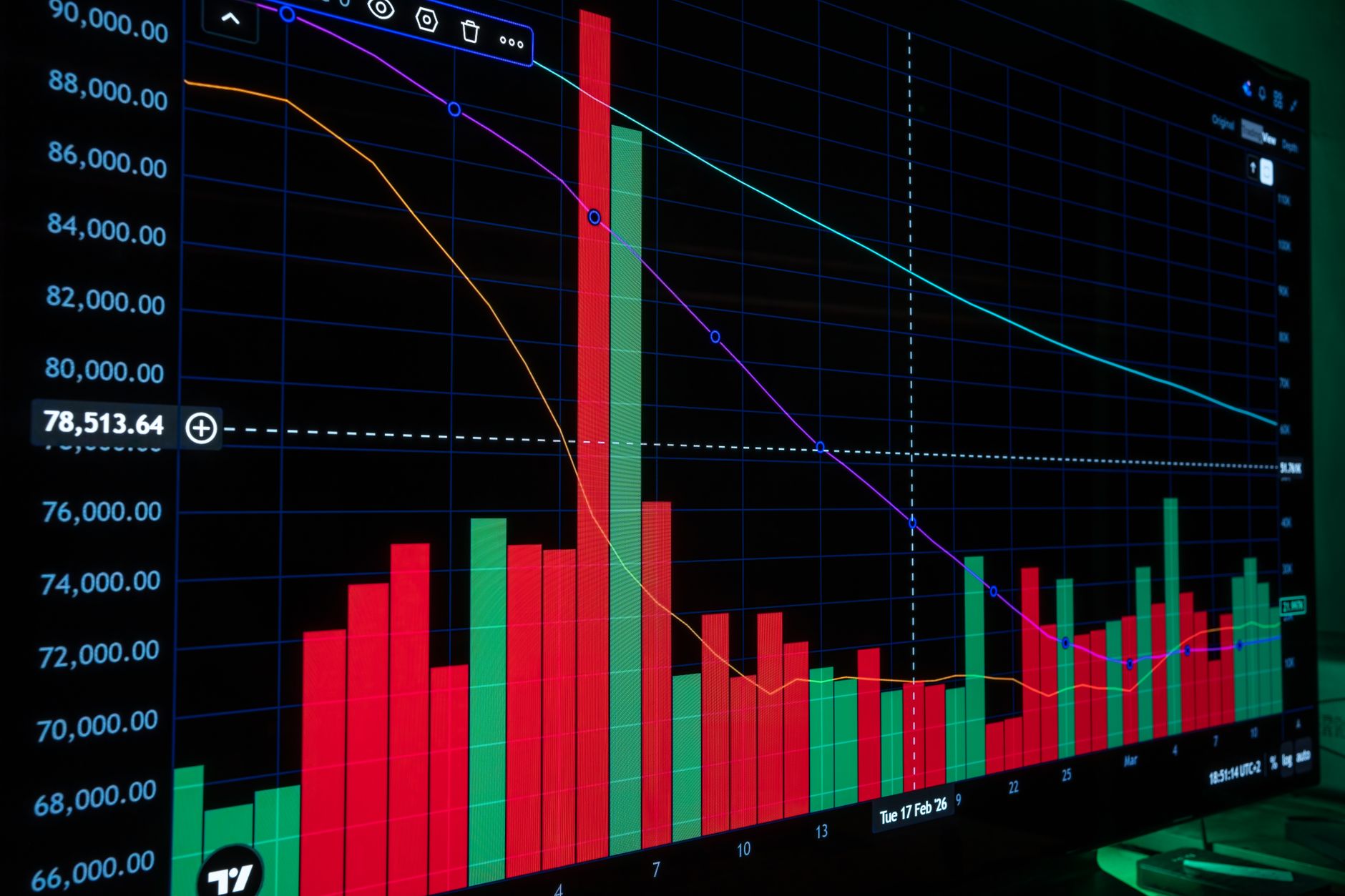
Financial markets are inherently unpredictable, often swinging between periods of steady growth and sudden, sharp downturns. For many participants, these fluctuations can trigger anxiety and prompt reactionary decision-making. However, maintaining composure during turbulent phases is crucial for long-term financial health.
Experienced market participants recognize that volatility is a normal component of the economic cycle. Rather than viewing sudden shifts as emergencies, they analyze the underlying drivers to separate short-term noise from fundamental value changes.
The Importance of Preparation
Preparation remains the best defense against unforeseen market shocks. Establishing a well-diversified portfolio helps cushion the impact of localized sector downturns. When capital is spread across various asset classes, a decline in one area can often be offset by stability or growth in another.
Liquidity management also plays a vital role in weathering unstable economic climates. Maintaining an adequate cash reserve ensures that unexpected expenses do not force the premature liquidation of appreciating assets at unfavorable prices.
Evaluating Long-Term Objectives
Short-term price movements frequently distract from overarching financial goals. Investors benefit significantly from periodically revisiting their original investment thesis and time horizon. If the fundamental reasons for holding a specific asset remain intact, temporary price drops should not automatically dictate a sale.
Conversely, persistent negative shifts in industry dynamics or business models warrant a thorough reassessment. Objective analysis prevents emotional attachments from clouding sound judgment.
Maintaining Discipline in Changing Conditions
Discipline is the cornerstone of successful wealth management. Emotional reactions often lead to buying high during euphoria and selling low out of panic. Establishing predefined rules for portfolio rebalancing removes emotion from the equation.
Adhering to a systematic approach allows participants to take advantage of market dislocations rather than falling victim to them. Consistency in execution ultimately separates successful strategies from erratic attempts at timing the market.
Conclusion
Navigating unpredictable economic conditions requires a combination of patience, foresight, and strict discipline. By focusing on fundamental principles, maintaining adequate reserves, and ignoring short-term panic, individuals can position themselves to weather storms and pursue enduring financial stability.
RELATED STORIES

stock-market
Walmsley Faces New Leadership Test at HP Inc
Discover how executive leadership transitions bring fresh outsider challenges and strategic tests to HP Inc across global markets.

stock-market
2027 Federal Income Tax Brackets and Standard Deductions Announced by IRS
Discover the updated 2027 federal income tax brackets and standard deductions announced by the IRS to help you plan your upcoming financial year.

stock-market
Retail Traders Offload Stocks at Fastest Pace Since Pandemic
Individual investors dump equities at levels not seen since the Covid-19 sell-off as market correction pressures the technology sector.