Robinhood Stock Drops to 52-Week Low of $63.46
Market Performance Overview
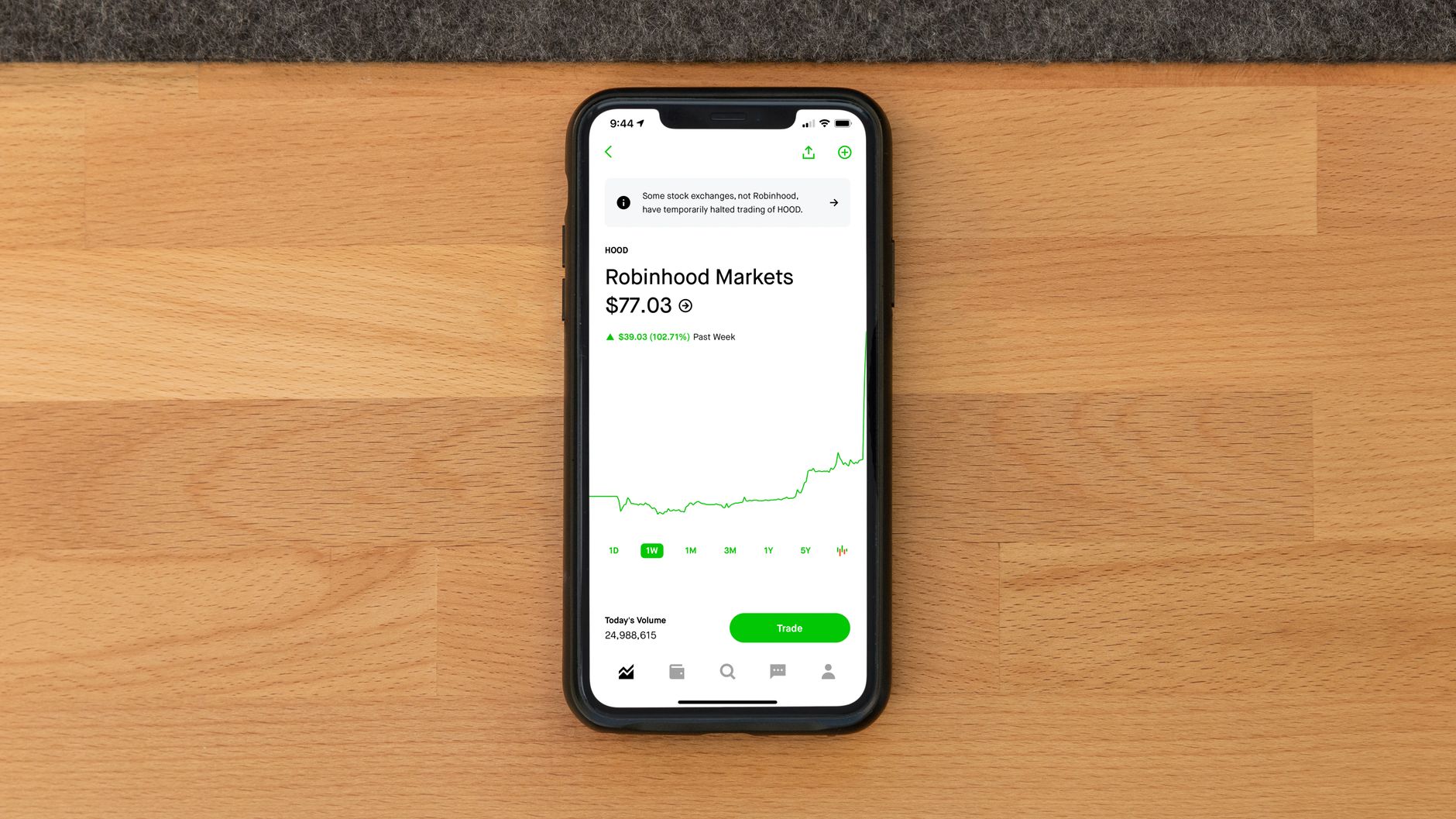
Financial markets frequently experience significant shifts, and shares of prominent trading platforms are no exception to broader economic trends. Recently, the equity valuation of Robinhood reached a notable milestone when the stock price touched a new 52-week low. Trading activity for the popular retail investment platform saw the share price descend to $63.46 during the trading session. This downward movement reflects ongoing adjustments within the financial technology and brokerage sector as market participants reevaluate growth trajectories and valuation metrics for high-profile publicly traded companies.
Factors Influencing Equity Valuations
Equity valuations across the fintech industry are continuously shaped by a complex combination of macroeconomic indicators, trading volumes, and investor sentiment. Platforms that rely heavily on retail trading activity often witness heightened price volatility in response to changing market conditions. When market participation fluctuates or broader economic uncertainties emerge, companies operating in this space frequently experience corresponding pressures on their share prices. The recent movement to a 52-week low underscores the sensitivity of these financial entities to shifting investor confidence and evolving market dynamics.
Broader Industry Trends
The brokerage and digital trading sector has undergone substantial transformation over recent years. As regulatory landscapes evolve and interest rate environments shift, investors closely monitor how retail-focused brokerages adapt their revenue models. Companies have increasingly sought to diversify their income streams beyond traditional transaction-based fees by introducing subscription services, retirement accounts, and cash management features. Despite these strategic initiatives, short-term market sentiment can heavily influence stock performance, occasionally leading to significant pullbacks such as the one recently observed.
Looking Ahead for Market Participants
For investors and market observers, tracking the performance of major financial platforms provides valuable insight into broader consumer behavior and market participation trends. While a 52-week low represents a significant technical threshold, analysts and market participants typically evaluate long-term fundamentals, quarterly financial results, and strategic execution to understand a company's underlying trajectory. As the financial technology sector continues to mature, monitoring how firms navigate periods of share price pressure will remain a central focus for the investment community.
RELATED STORIES

stock-market
City Holding Company Declares $1.00 Dividend Payable in January 2027
City Holding Company has announced a $1.00 dividend payout scheduled for January 2027. Discover the key details regarding this corporate announcement.

stock-market
Navigating Retirement at 66 with Minimal Savings: A Financial Reality Check
Discover the complex financial realities of reaching retirement age with minimal savings and learn essential strategies for managing late-stage financial planning.

stock-market
Lowe's Companies Reports Q3 2026 Financial Results and Strategic Growth
Discover the key financial highlights and strategic growth drivers from Lowe's Companies third quarter 2026 earnings report.