Understanding S&P 500 Divergence and Market Trends
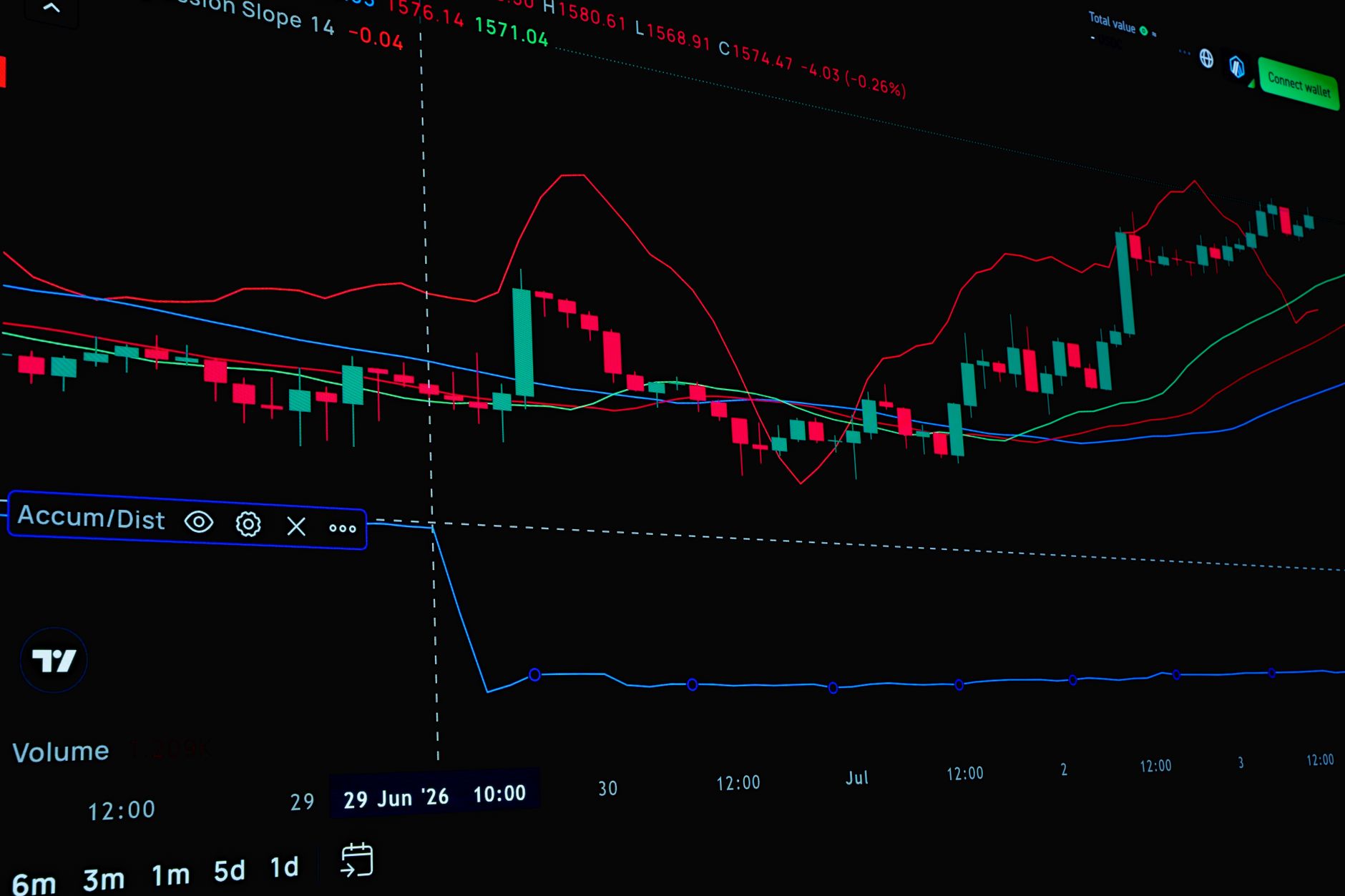
Market Divergence Overview
Financial markets frequently display complex patterns where major indexes move in unexpected directions. Investors continuously analyze these shifts to understand underlying economic health and adjust their portfolios accordingly. Examining recent movements in benchmark funds reveals a great deal about current economic sentiment and asset valuation.
Evaluating the Benchmark
The standard benchmark for large-cap United States equities serves as a primary gauge of economic vitality. Market participants track these movements closely to identify broader trends. When divergence occurs within the components of the index, it signals varying performance across different industry sectors. Such movements require careful examination rather than immediate reaction.
Sector Rotation Dynamics
Different industries within the major index often experience distinct cycles of growth and consolidation. Technology, healthcare, financial, and consumer discretionary sectors frequently pull the broader market in separate directions. Understanding these internal dynamics helps investors comprehend why the headline index might behave in a specific manner on any given trading day.
Strategic Portfolio Management
Navigating shifting market conditions demands a disciplined approach to asset allocation. Diversification remains a cornerstone of sound financial strategy, helping to mitigate the risks associated with sector-specific volatility. Rather than attempting to time short-term fluctuations, maintaining a long-term perspective aligns better with enduring financial objectives.
Economic Indicators and Future Outlook
Macroeconomic data releases significantly influence market direction. Inflation figures, employment reports, and central bank policy decisions all contribute to investor sentiment. Keeping informed about these fundamental factors provides essential context for interpreting daily price action and positioning portfolios for future developments.
RELATED STORIES

stock-market
Velocity Financial Q3 2026 Earnings: Performance and Financial Overview
Analyze Velocity Financial Inc Q3 2026 earnings presentation results, financial performance metrics, and key operational updates.

stock-market
Regeneron Director George Sing Offloads Stock Valued at Over $20 Million
Regeneron Pharmaceuticals director George Sing recently executed a major stock sale, offloading company shares worth approximately $20.3 million.

stock-market
Why a Prolonged War in Iran is the Ultimate Market Black Swan
Discover why financial strategists warn that an extended conflict involving Iran remains largely unpriced by global stock markets.