US and China Address AI Safety and Chip Tensions Ahead of Summit
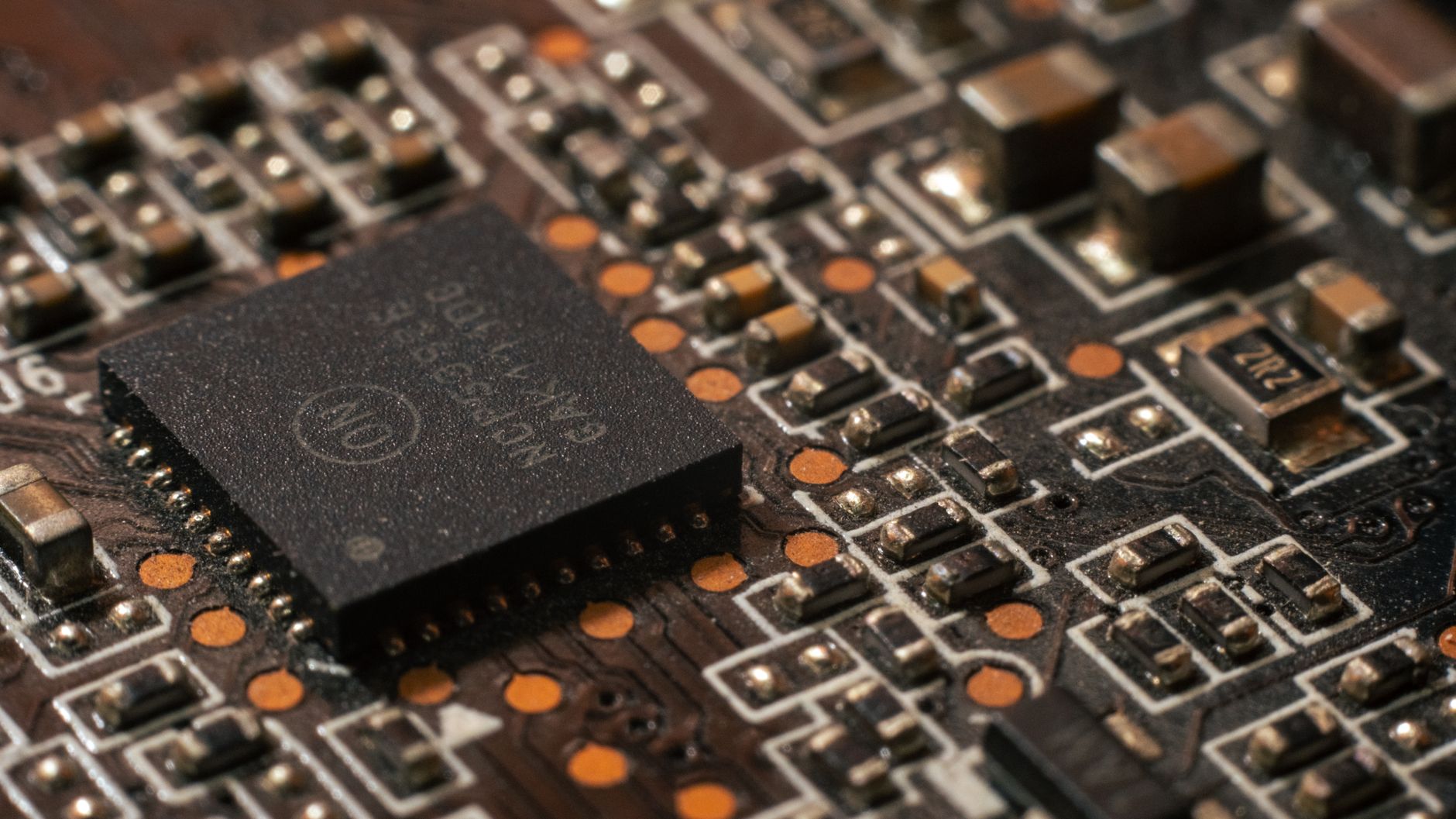
Diplomatic efforts are currently underway between major global economies to address critical technology policies before a high-stakes leadership meeting. Officials from both superpowers are navigating complex negotiations involving advanced semiconductor supply chains and cooperative frameworks for artificial intelligence governance. These discussions highlight the delicate balance between maintaining national security interests and fostering international collaboration in emerging technology sectors.
Semiconductor Restrictions and Economic Pressures
At the heart of the ongoing diplomatic friction are sweeping export controls implemented on advanced microchips and semiconductor manufacturing equipment. These trade restrictions were originally designed to protect technological advantages and limit military applications of cutting-edge processors. However, they have created significant friction within global supply chains, impacting corporations that rely on cross-border manufacturing and sales.
Industry leaders and policymakers are examining ways to alleviate these commercial bottlenecks without compromising strategic priorities. The upcoming bilateral summit provides a crucial platform for addressing these economic grievances. Both nations recognize that prolonged trade hostilities in the semiconductor sector could disrupt global markets and slow down innovation in critical hardware applications.
Collaborative Frameworks for Artificial Intelligence
While hardware disputes remain a major challenge, both governments have shown a willingness to engage in constructive dialogue regarding artificial intelligence safety. Experts from both nations have participated in preliminary talks to establish baseline standards for managing risks associated with advanced machine learning models. These initiatives aim to prevent unintended consequences and enhance transparency in algorithmic development.
Ensuring responsible deployment of autonomous systems requires shared oversight and standardized risk assessments. As computational capabilities expand rapidly, policymakers emphasize the necessity of establishing international guardrails. These safety protocols are intended to address potential hazards related to critical infrastructure, automated decision-making, and misuse by malicious actors.
Balancing Competition and Cooperation
The relationship between the two superpowers is characterized by a complex mix of intense commercial rivalry and essential cooperation. While technological dominance remains a primary objective for both administrations, urgent global challenges require joint regulatory approaches. Artificial intelligence governance represents a unique domain where both sides acknowledge the mutual benefits of shared safety standards.
Observers note that reaching a formal consensus on technology policy will not be simple. Domestic political pressures in both countries often favor hardline stances on trade and national security. Consequently, negotiators are tasked with finding practical compromises that satisfy domestic stakeholders while preventing further escalation of technological decoupling.
Implications for Global Technology Markets
The outcomes of the upcoming leadership summit will have far-reaching implications for international technology markets. Corporations across the globe are monitoring developments closely to adjust their long-term supply chain strategies and compliance frameworks. Uncertainty surrounding semiconductor access and artificial intelligence regulations has forced many enterprises to diversify their operations and invest in regional redundancies.
Ultimately, the ability of both nations to manage their technological competition will shape the future trajectory of the global digital economy. Constructive engagement on safety standards and trade rules could pave the way for a more stable operating environment. Conversely, a failure to reach agreements may accelerate the fragmentation of global technology standards, leading to increased costs and reduced interoperability across international markets.
RELATED STORIES

stock-market
Hinge Health Executive Chairman Executes Major Stock Sale Totaling Over Twenty Four Million Dollars
Discover the latest insider trading details as Hinge Health executive chairman sells over twenty four million dollars in company shares.

stock-market
Anthropic IPO Highlights Uninsurable Risks in Artificial Intelligence
As Anthropic approaches an IPO, investors face unprecedented uninsurable risks regarding catastrophic legal liabilities in artificial intelligence.
stock-market
Nvidia Stock Declines Following Market Reactions to Jensen Huang Departure
Nvidia stock drops in premarket trading as investors react to the news surrounding Jensen Huang and potential fallout.