US Policy on Cuba: Exploring Diplomatic and Military Options
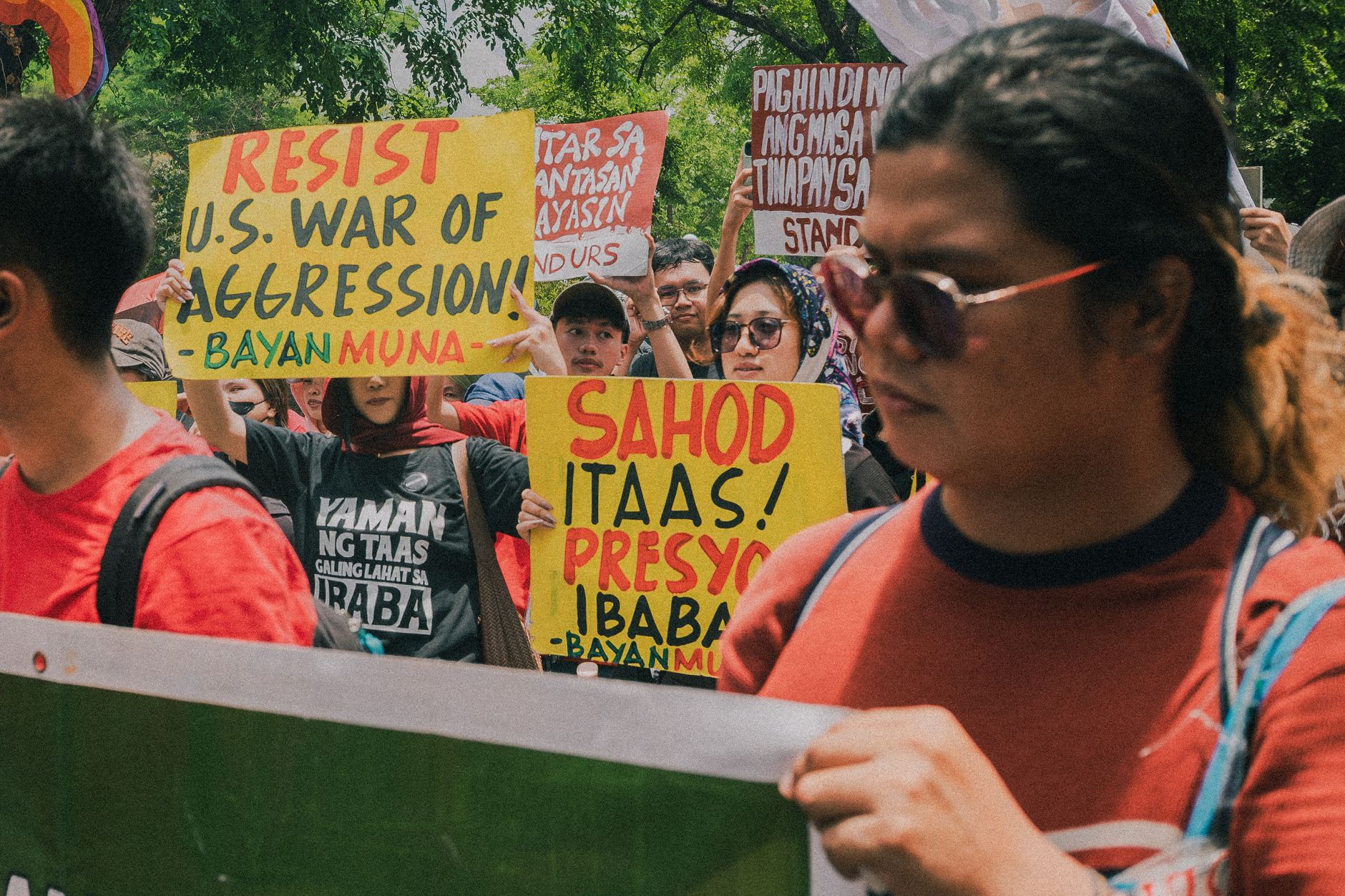
Background on United States and Cuba Relations
Relations between the United States and Cuba have remained a focal point of foreign policy for decades. Administrations from both major political parties have implemented various diplomatic measures, travel restrictions, and economic sanctions to influence governance on the island nation. These policies are designed to encourage democratic reforms and protect regional security interests. The relationship is complex, shaped by historical tensions that date back to the Cold War and continue to impact modern geopolitical strategies.
The Comprehensive Economic Embargo
A cornerstone of American policy toward the island is the enforcement of a comprehensive economic embargo. This trade restriction limits commercial transactions, financial exchanges, and tourism between the two nations. Proponents of the embargo argue that it serves as a necessary pressure mechanism against the government in Havana. Critics, however, suggest that these broad economic measures disproportionately affect everyday citizens rather than achieving their intended political outcomes. Despite periodic debates and calls for modernization, the foundational elements of the embargo remain firmly in place.
Strategic Considerations and Foreign Policy
Foreign policy experts frequently analyze the broader implications of American positioning in the Caribbean. Security assessments often involve evaluating regional stability, trade routes, and international alliances. While economic pressure is the primary tool utilized by Washington, discussions around foreign relations occasionally encompass a wide spectrum of national security measures. The overarching goal centers on safeguarding strategic interests while navigating a delicate diplomatic landscape.
Evaluating Potential Approaches
As leadership transitions and global dynamics shift, policymakers continuously reassess the effectiveness of existing strategies. Whether through heightened economic enforcement, diplomatic engagement, or the consideration of broader national security tactics, the path forward for bilateral relations remains a subject of intense debate. Observers and analysts monitor these developments closely to understand how future policy decisions will shape the economic and political future of the region.
RELATED STORIES

stock-market
United Utilities Group PLC 2027 Q2 Results Overview
Explore the latest financial performance and operational updates from the United Utilities Group PLC 2027 Q2 earnings presentation.

stock-market
Klaviyo Stock Upgrade: Strong Growth and Lower Risk Profiles
Discover why Klaviyo received a rating upgrade following better-than-expected revenue growth, improved gross margins, and reduced market risks.

stock-market
Why AppLovin Stock Is Rallying Today: Key Drivers Behind the Surge
Discover the primary catalysts behind the significant surge in AppLovin stock today as market momentum and performance metrics drive investor interest.