US Requests Iraq to Close Iran Border Crossings Amid Regional Pressures
Diplomatic Tensions at the Border
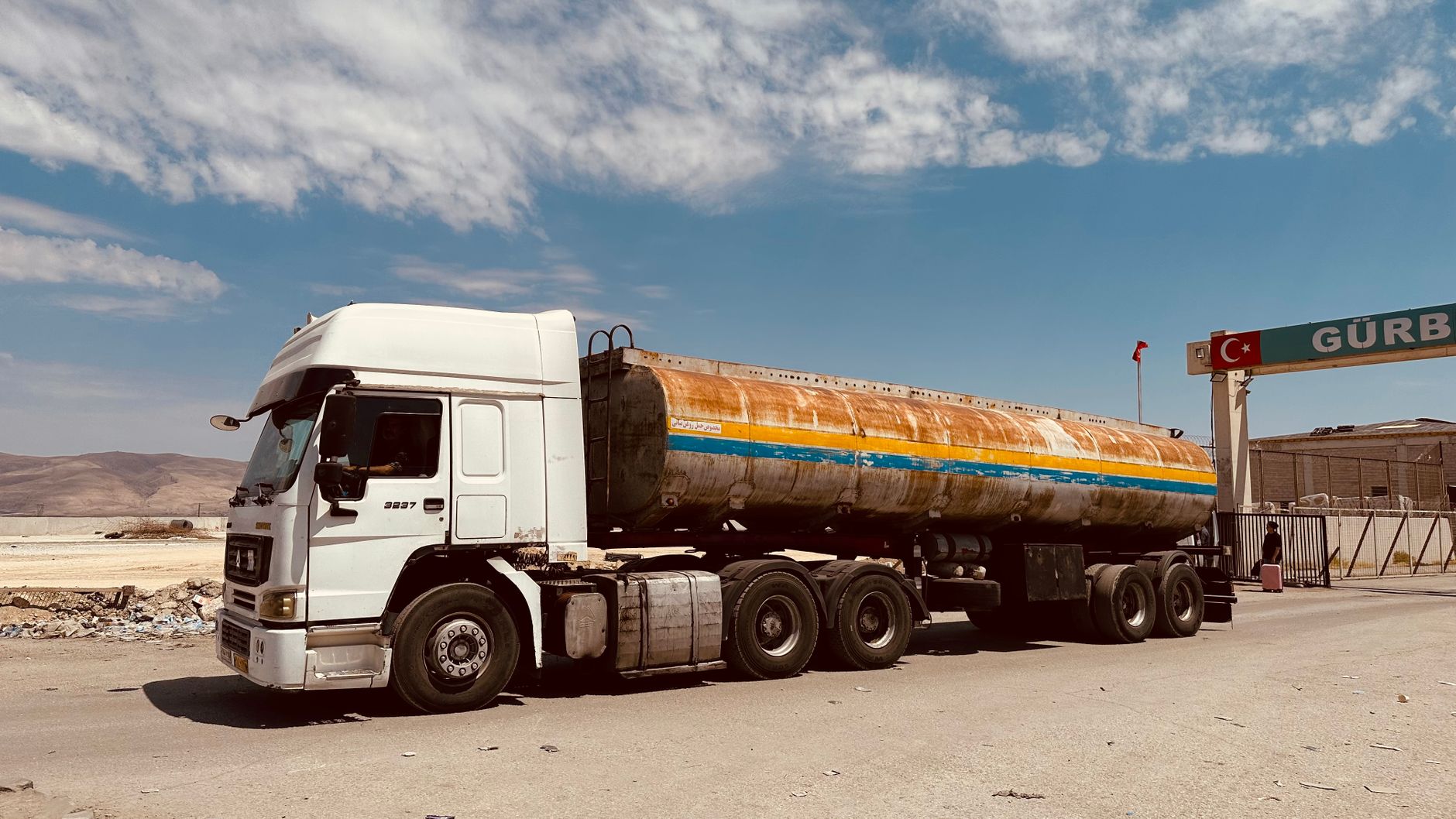
Recent geopolitical developments have brought the diplomatic and economic relationship between Washington and Baghdad under intense scrutiny. According to reports attributed to the Iraqi foreign minister, the United States has formally requested that the government in Baghdad close the majority of its border crossings with neighboring Iran. This diplomatic move highlights the ongoing strategic pressures and complex regional dynamics shaping Middle Eastern policy.
The border between Iraq and Iran spans hundreds of kilometers and serves as a vital artery for trade, religious tourism, and cultural exchange. Millions of pilgrims travel between the two nations annually, particularly during major religious observances, and bilateral commerce accounts for billions of dollars in goods and services. Consequently, any disruption to traffic along this frontier carries profound economic and social implications for both countries.
Strategic Demands from Washington
The request from the United States forms part of a broader strategy aimed at exerting maximum pressure on Tehran. Washington has consistently sought to curtail Iranian influence across the region, targeting various sectors including finance, trade, and logistics. By pressing Baghdad to restrict movement at the border, international strategists suggest that the United States intends to limit cross-border transit that may bypass international economic measures.
However, implementing such a request presents severe practical and political hurdles for the Iraqi administration. Baghdad must navigate a delicate diplomatic balancing act. On one hand, Iraq maintains a strategic partnership with the United States, which provides military training, advisory support, and economic cooperation. On the other hand, Iraq shares deep religious, historical, and economic ties with Iran, and several domestic political factions maintain close alliances with Tehran.
Economic Implications for Baghdad
An abrupt closure of most border crossings would severely impact the domestic economy of Iraq. The nation relies heavily on Iranian energy imports, including natural gas and electricity, to sustain its fragile power grid. Interruptions in supply could lead to widespread energy shortages, provoking public unrest and exacerbating existing infrastructure challenges.
Furthermore, merchants and traders on both sides of the frontier depend on cross-border commerce for their livelihoods. Small and medium enterprises in border provinces generate substantial revenue through the exchange of agricultural products, consumer goods, and construction materials. Shutting these pathways would likely cause immediate financial distress for local communities.
Balancing Regional Alliances
Iraqi leadership faces a formidable challenge in responding to foreign policy demands while safeguarding national sovereignty and stability. Policymakers in Baghdad have frequently emphasized their desire to remain neutral in broader geopolitical confrontations, opting instead to act as a bridge for regional dialogue.
Observers note that total compliance with the request appears unlikely given the deeply entrenched bilateral ties between the two neighbors. Instead, diplomatic channels are expected to remain active as both capitals negotiate terms, exemptions, or alternative measures to address security and economic concerns without triggering a severe crisis.
Looking Ahead
The unfolding situation at the Iraqi-Iranian frontier illustrates the persistent vulnerability of the region to broader international rivalries. As discussions continue between Washington and Baghdad, the international community will closely monitor how Iraq manages its competing obligations. The final outcome will likely shape diplomatic alignments and economic policies across the Middle East for the foreseeable future.
RELATED STORIES

stock-market
Assessing FXE Currency ETF Risks Amid Growing Civil Unrest
Explore the strategic downgrade of the FXE currency ETF driven by escalating civil unrest and economic instability risks.

stock-market
Persistent US Inflation Points to Continued Federal Reserve Rate Hikes
Stubborn consumer price inflation indicates the Federal Reserve will likely move forward with upcoming borrowing cost increases before the holiday season.
stock-market
MP Materials Scales Rare Earths and Magnet Production: Growth Strategy and Cost Management
Explore MP Materials scaling initiatives in rare earths and permanent magnets, focusing on cost efficiency and domestic supply chain growth.