Why a V Shaped Equity Recovery Might Not Happen
Market Recoveries And Economic Realities
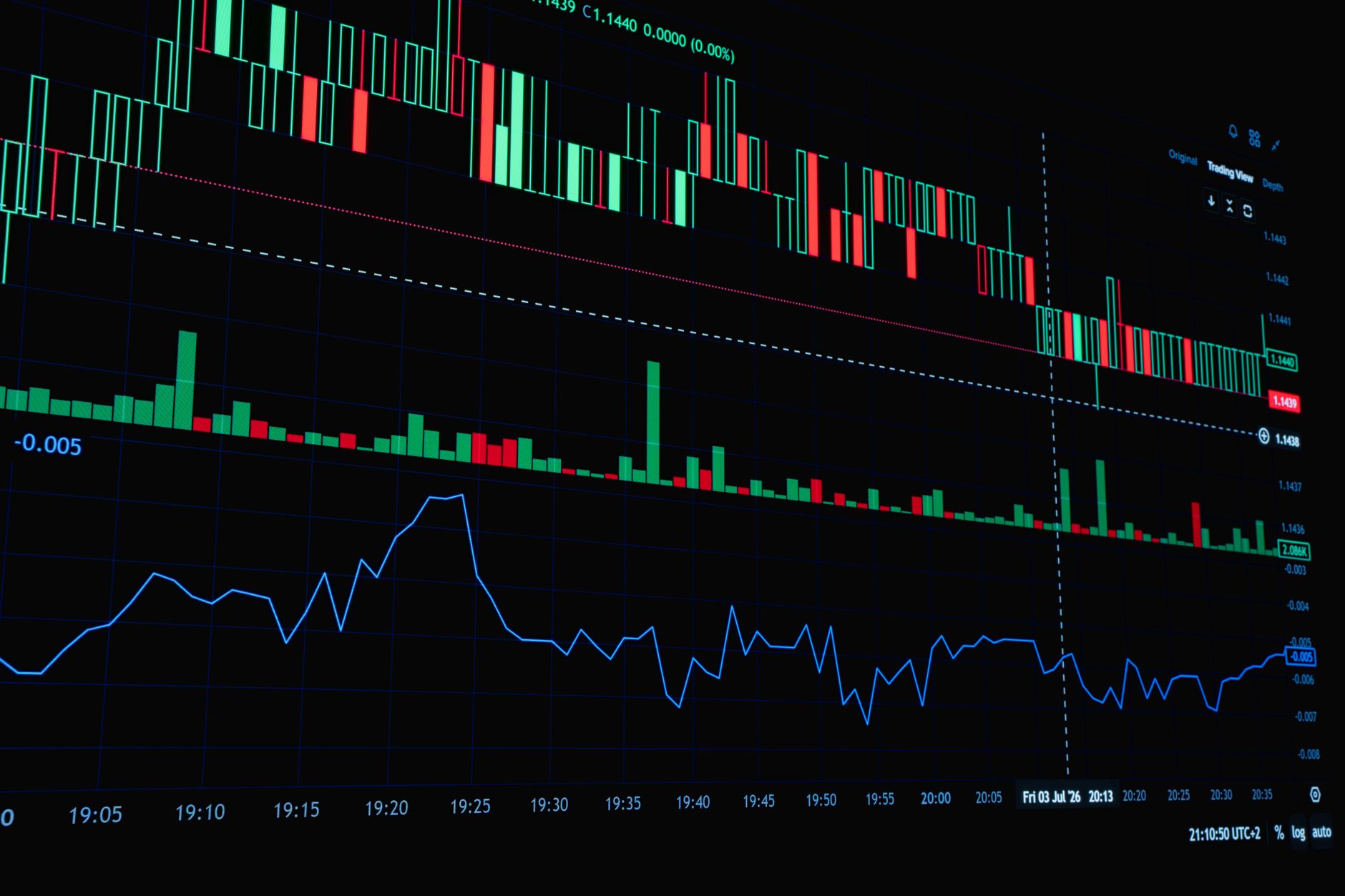
When financial markets experience significant downturns, investors frequently anticipate a rapid rebound. The concept of the V-shaped recovery remains a favorite among many market participants, promising a swift return to previous highs as quickly as the losses occurred. However, economic fundamentals do not always align with these optimistic projections. Understanding the structural dynamics at play is essential for navigating current market conditions.
Historical precedents show that rapid recoveries often require specific macroeconomic triggers that may not be present in the current cycle. When equities drop sharply, the underlying causes vary widely, ranging from liquidity crunches to structural economic shifts. Assuming that every market correction will be immediately erased can lead to misallocated capital and heightened portfolio risk.
Structural Headwinds Facing Growth
One primary factor challenging the notion of a swift rebound involves persistent structural headwinds. Modern economies face complex pressures, including shifting labor markets, changing global supply chains, and evolving regulatory environments. These elements do not resolve overnight, meaning that corporate earnings growth may face prolonged periods of adjustment rather than an immediate acceleration.
Furthermore, capital allocation trends are shifting. As borrowing costs normalize across global financial systems, companies must operate in an environment where cheap capital is no longer guaranteed. This transition forces businesses to prioritize efficiency and margin preservation over rapid expansion, which naturally dampens the velocity of potential equity market rebounds.
Valuation Multiples And Earnings Expectations
Another critical consideration is the relationship between current valuation multiples and actual corporate earnings. During periods of market exuberance, valuations often stretch far ahead of fundamental performance. When a correction occurs, these multiples must compress to reflect lower risk tolerance and altered growth forecasts.
Even if corporate earnings manage to stabilize, the path back to previous valuation peaks can be exceptionally slow. Investors become increasingly selective, demanding higher risk premiums before allocating fresh capital to equities. This behavioral shift creates a prolonged consolidation phase, directly contradicting the narrative of a sharp upward bounce.
Liquidity Dynamics And Monetary Policy
Central bank policy plays an undeniable role in shaping market trajectories. In previous cycles, aggressive monetary intervention provided a reliable safety net that fueled rapid equity recoveries. However, central banks currently navigate a different set of priorities, balancing growth support against the ongoing management of inflation.
Without the expectation of immediate and massive liquidity injections, markets must rely on organic economic strength to drive valuations higher. This reliance introduces a natural speed limit on recovery timelines. Investors should remain cognizant of these shifting policy frameworks when formulating long-term strategies.
Conclusion And Portfolio Strategy
Navigating a market environment that lacks a traditional V-shaped recovery requires patience and discipline. Portfolios structured around the assumption of an immediate rebound may experience unexpected volatility. By focusing on fundamental resilience and realistic growth expectations, investors can better position themselves for a protracted recovery cycle.
RELATED STORIES

stock-market
Perimeter Medical Reports Q3 2026 Revenue Growth as Shares Climb
Discover the latest financial updates from Perimeter Medical as third quarter 2026 revenue increases and company shares experience a notable rise.

stock-market
My Husband Secretly Sends Financial Support To His Ex-Wife
Discover how a spouse handles discovering their partner secretly sends $1500 monthly to an ex-wife, balancing marriage, trust, and finances.
stock-market
US Stock Market Slump Sees Dow Drop Over 600 Points As Nvidia Rally Fades
US stock markets experienced significant volatility as the Dow fell over 600 points and the Nasdaq fluctuated following an initial Nvidia earnings bounce.