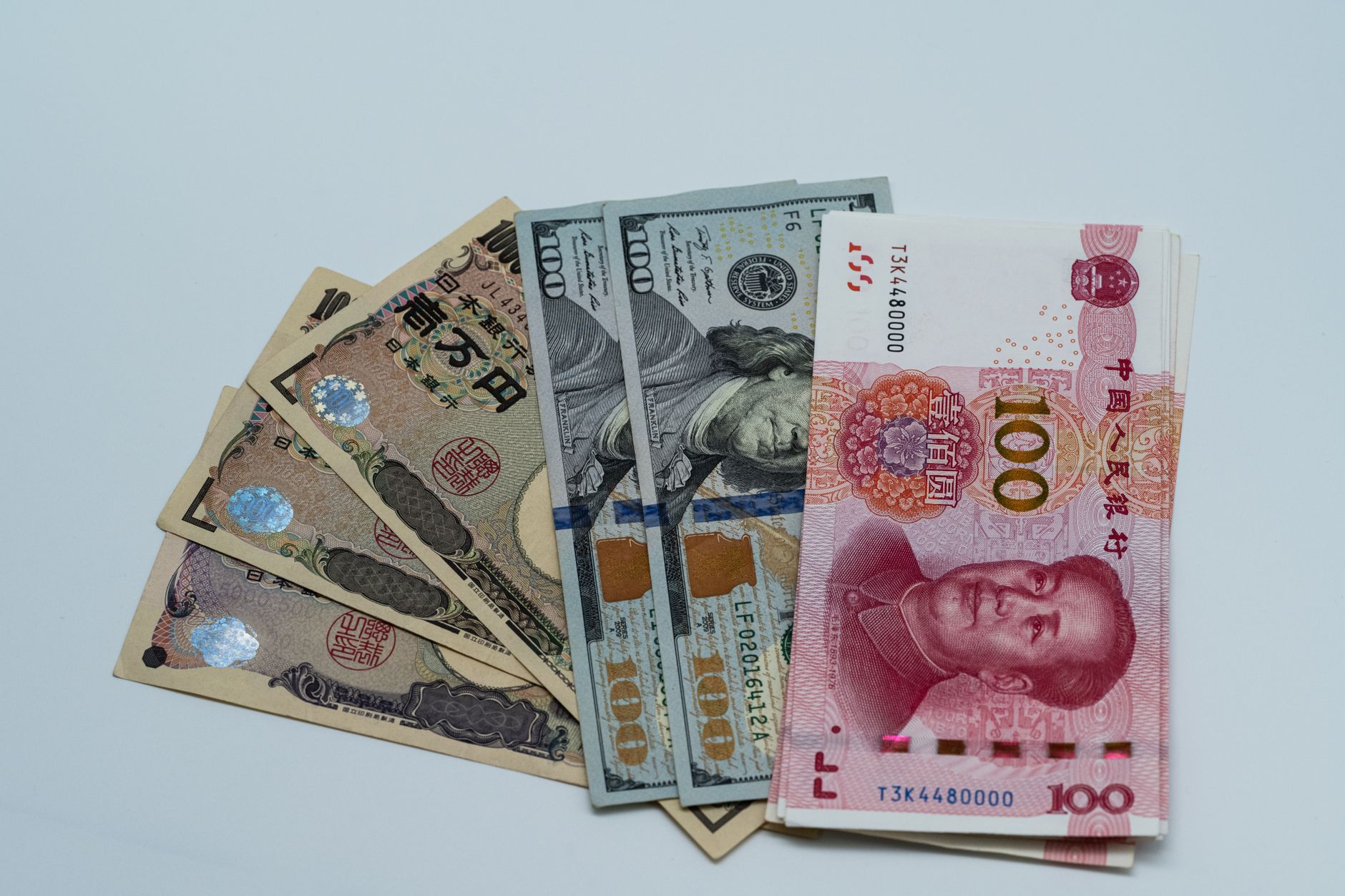
Recent geopolitical developments have once again highlighted the volatility of international trade relations, as reported by Al Jazeera in their coverage titled Trump embraced Xi, then slapped new tariffs on China: Whats his game plan? (Al Jazeera). For investors, business owners, and taxpayers, understanding these rapid policy shifts is crucial for managing global market risks and supply chain costs.
Key Takeaways:
- US President Donald Trump introduced a new tariff regime targeting China most severely.
- The trade policy announcement comes just weeks before a scheduled meeting between Trump and Chinese President Xi Jinping in Miami.
- Business owners and international investors must evaluate how shifting trade barriers impact inflation, supply chains, and portfolio diversification.
Decoding the Trade Strategy and Tariffs on China
International trade policies rarely operate in isolation. When leaders alternate between diplomatic engagement and aggressive economic measures, it signals a calculated negotiation tactic. According to reporting from Al Jazeera, the latest tariff regime specifically singles out China as its primary target. This aggressive posture right before a high-level summit in Miami underscores a strategy of applying maximum pressure to secure favorable trade concessions.
Implications for Global Supply Chains and Taxation
For businesses dependent on cross-border trade, sudden tariff increases introduce substantial financial uncertainty. Tariffs function effectively as a tax on imported goods, which importers often pass down to consumers in the form of higher prices. This dynamic contributes directly to inflationary pressures, influencing central bank monetary policies and interest rate trajectories.
Wealth Management and Investment Strategies
Navigating geopolitical trade friction requires robust financial planning. Investors holding assets in equities exposed to international trade must remain vigilant. Diversification across asset classes and geographies remains one of the most effective hedges against sudden regulatory shifts. By keeping a close eye on macroeconomic indicators and trade negotiations, wealth builders can better protect their portfolios from sudden market corrections.
Disclaimer: This article is intended strictly for educational and informational purposes and does not constitute financial, investment, or tax advice.