China and US Climate Progress Diverges on Global Emissions
Global Climate Context
When examining the current landscape of global greenhouse gas emissions, two nations stand out above all others as the largest contributors to atmospheric pollution. China and the United States hold positions of immense influence regarding environmental policies and the future of our planet. Their approaches to tackling ecological challenges shape international agreements and dictate the pace of worldwide sustainability efforts. However, recent developments reveal a growing divergence in how these two economic giants are addressing their environmental responsibilities.
Changing Trends in Energy Production
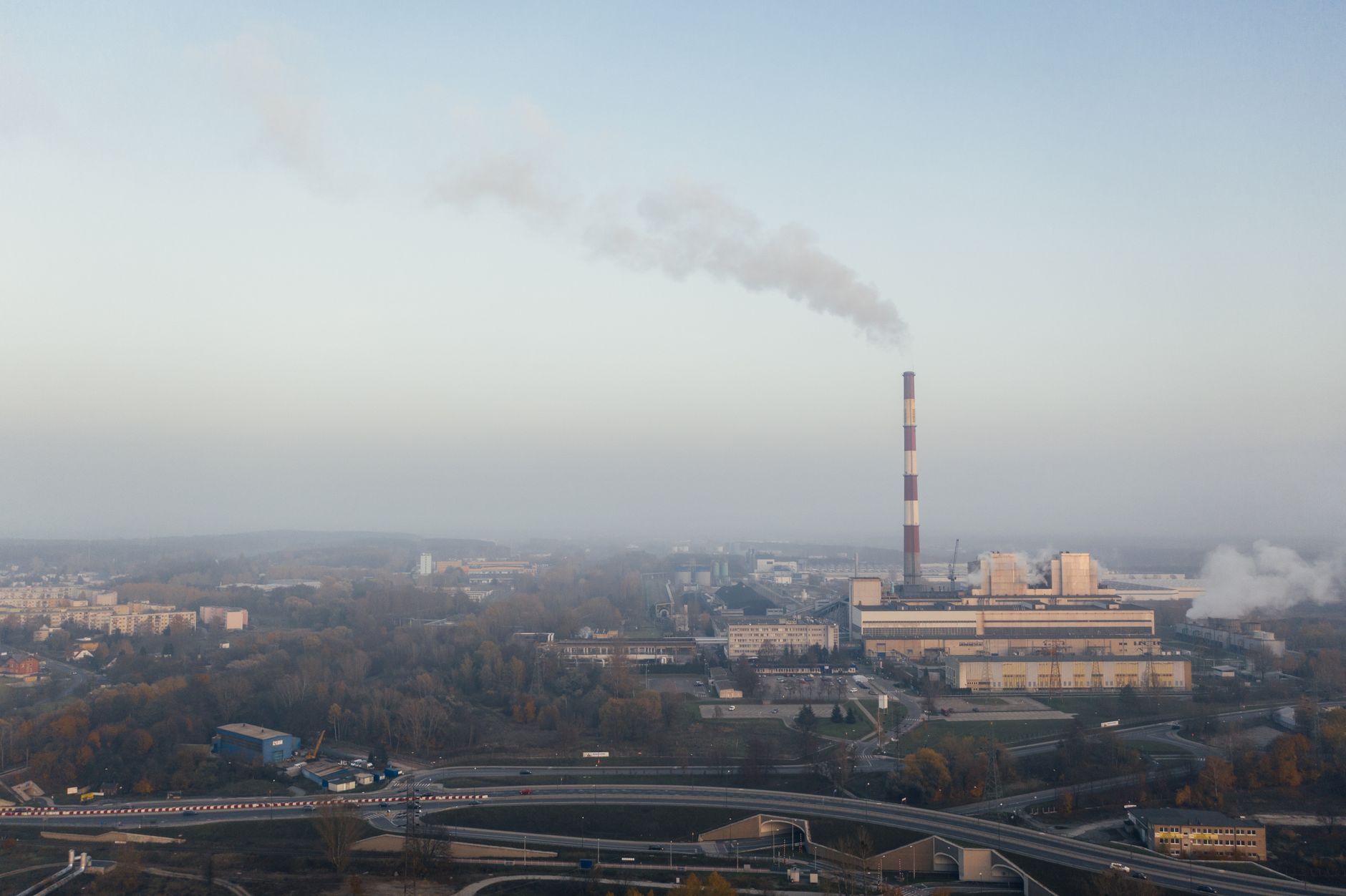
Recent data indicates that the trajectories of these two primary emitters are moving in opposite directions. Across various regions within China, local governments are actively scaling back their reliance on coal, marking a significant shift in energy consumption patterns. Massive investments in green infrastructure and alternative power sources have begun to alter the national energy portfolio. In contrast, the United States is currently experiencing a slowdown in the adoption and deployment of advanced climate technologies, leading to concerns about meeting established environmental targets.
Technological Adoption and Infrastructure
Transitioning away from fossil fuels requires unprecedented levels of innovation and capital deployment. China has aggressively expanded its manufacturing capabilities for solar panels, wind turbines, and electric vehicles, establishing a dominant position in the global green supply chain. Meanwhile, American policy shifts and infrastructural bottlenecks have hindered the rapid scaling of comparable clean energy initiatives. Observers note that without accelerated domestic progress, the United States risks falling further behind in the emerging global green economy.
Future Implications for Global Policy
The widening gap between these two superpowers carries profound consequences for international climate negotiations. As global temperatures continue to rise, the pressure on major economies to deliver measurable reductions in carbon output intensifies. While China demonstrates tangible progress in curbing coal dependence at the provincial level, maintaining this momentum remains critical. For the United States, revitalizing investment in sustainable technology and overcoming legislative hurdles will be essential to reclaim a leadership role in international environmental stewardship.
RELATED STORIES

geo-politics
Gaza Peace Plan Collapse Leaves Millions Displaced and Vulnerable
Humanitarian groups report the collapse of the UN-backed Gaza peace plan, leaving two million Palestinians facing severe displacement.

geo-politics
Leandro Riedi Shares Mental Health Journey and Wimbledon Crisis
Swiss tennis professional Leandro Riedi opens up about surviving a severe mental health crisis and suicide attempt just prior to the 2024 Wimbledon tournament.

geo-politics
Trump Greets Putin as Friend at China Summit
Discover the moment Donald Trump greeted Vladimir Putin as a friend at a major international summit hosted in China.