Navigating Smog Season: Understanding Air Quality and Safety
Understanding the Winter Smog Crisis
As the winter months approach, millions of residents across various regions face a recurring environmental crisis. Recent data indicates a severe escalation in atmospheric pollution, highlighting a troubling concentration of heavily polluted urban centers in South Asia. In fact, a vast majority of the fifty most polluted cities globally in recent assessments were located within India and Pakistan. This alarming trend signals the official arrival of another hazardous winter season for countless communities.
The Composition of Hazardous Air
During this period, meteorological conditions combine with local emissions to trap particulate matter close to the ground. This creates a dense, visible layer of haze that significantly reduces visibility and poses severe health risks. The microscopic particles present in the air can easily penetrate deep into the human respiratory system, leading to numerous acute and chronic health complications. Vulnerable populations, including children, the elderly, and individuals with pre-existing respiratory or cardiovascular conditions, face the highest levels of risk.
Practical Steps for Personal Protection
Safeguarding health during peak pollution periods requires proactive measures. Experts strongly recommend monitoring local air quality indices on a daily basis to stay informed about current atmospheric conditions. When pollution levels soar into hazardous categories, individuals should limit outdoor physical activities, especially during early morning and late evening hours when pollutants tend to concentrate near the surface.
Optimizing Indoor Environments
Since people spend a significant amount of time indoors, maintaining clean indoor air is crucial. Keeping windows and doors firmly shut during peak pollution hours prevents outdoor haze from infiltrating living spaces. Utilizing certified air purifiers equipped with high-efficiency particulate filters can drastically reduce indoor pollutant concentrations. Additionally, indoor houseplants known for their air-purifying qualities may offer modest assistance in maintaining a healthier domestic atmosphere.
Essential Gear When Venturing Outside
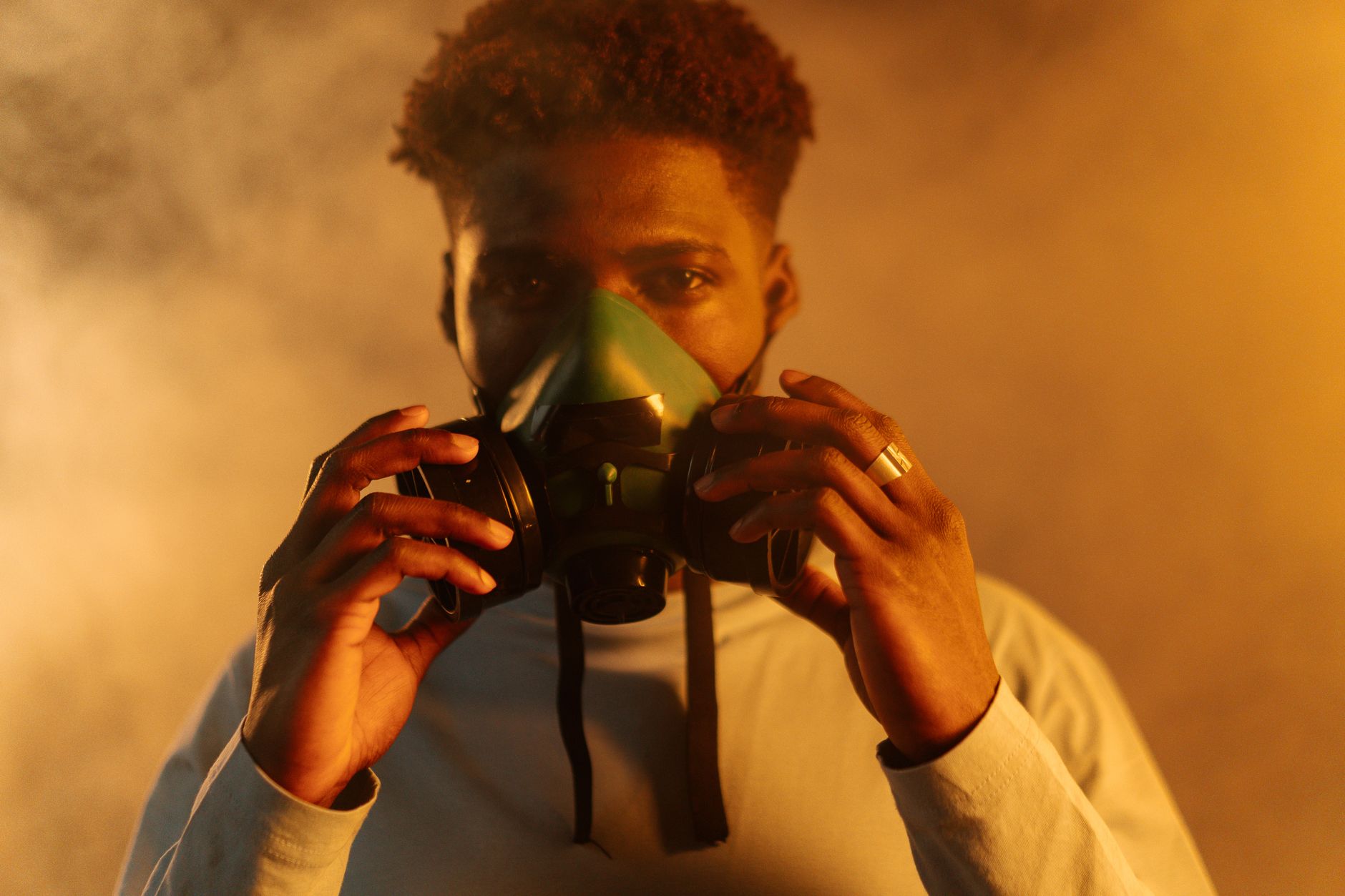
When going outdoors is unavoidable, wearing appropriate protective gear is essential. Standard cloth masks offer very little defense against microscopic airborne toxins. Instead, individuals should opt for specialized respirators designed to filter out fine particulate matter effectively. Ensuring a proper seal around the nose and mouth maximizes the protective capability of these masks during commutes or necessary outdoor tasks.
Broader Community Awareness and Response
Addressing the ongoing smog crisis requires more than just individual defense strategies. Increased public awareness helps communities advocate for sustainable environmental policies and cleaner energy initiatives. By understanding the severity of the air quality challenge, citizens can better participate in regional efforts aimed at reducing emissions and protecting public health for future winters.
RELATED STORIES

geo-politics
Gaza Peace Plan Collapse Leaves Millions Displaced and Vulnerable
Humanitarian groups report the collapse of the UN-backed Gaza peace plan, leaving two million Palestinians facing severe displacement.

geo-politics
Leandro Riedi Shares Mental Health Journey and Wimbledon Crisis
Swiss tennis professional Leandro Riedi opens up about surviving a severe mental health crisis and suicide attempt just prior to the 2024 Wimbledon tournament.
geo-politics
Trump Greets Putin as Friend at China Summit
Discover the moment Donald Trump greeted Vladimir Putin as a friend at a major international summit hosted in China.