Crude Oil Tanker Futures Surge Amid Middle East Conflict
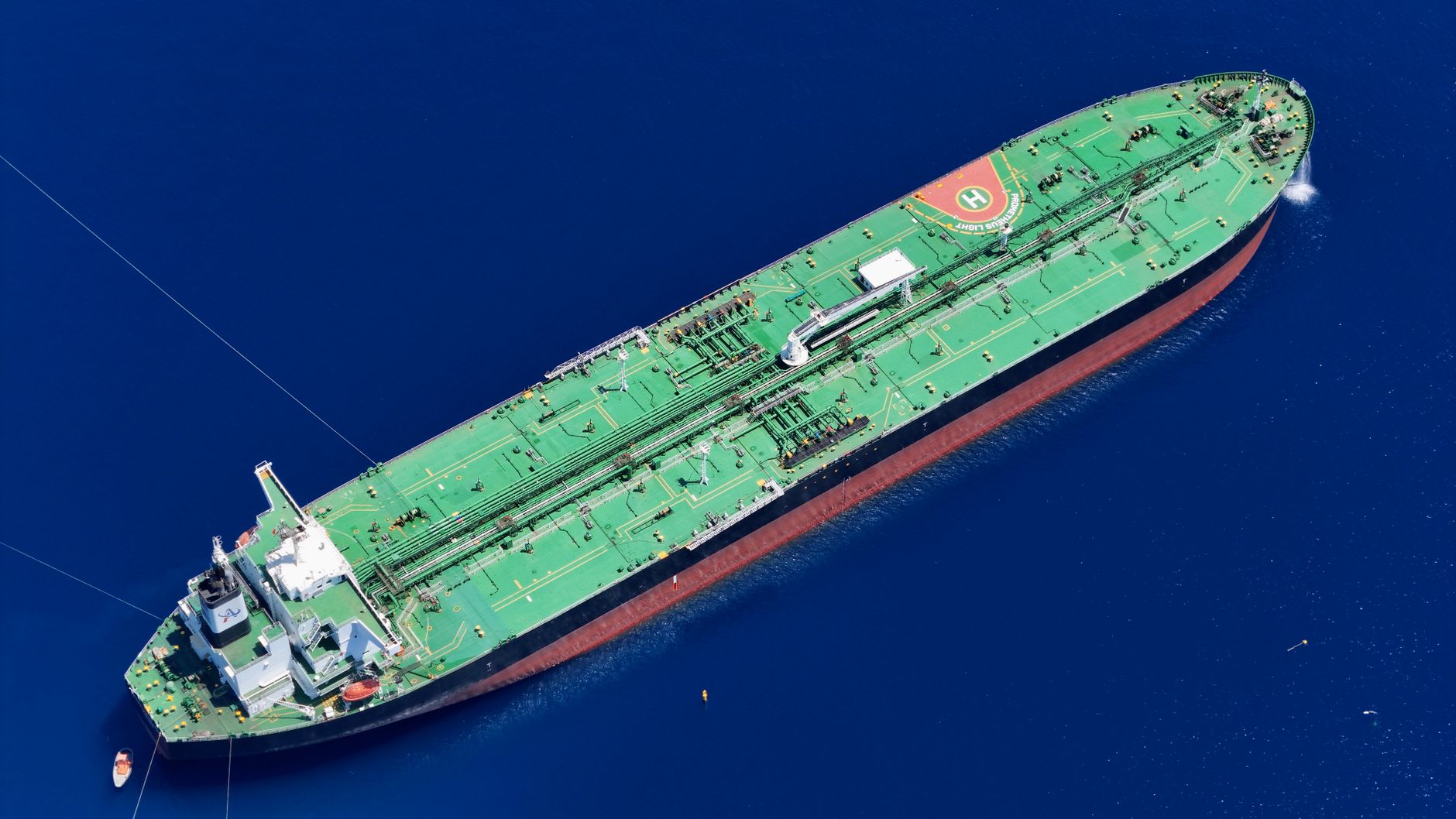
Geopolitical conflict in the Middle East has sent shockwaves through global energy markets, driving up crude oil prices and intensifying supply chain disruptions. Amid these turbulent conditions, one specific sector has experienced unprecedented growth: crude oil tanker futures. While trade pressures and existing tariffs have already strained international shipping networks, the ongoing military confrontation involving the United States and Iran has created a uniquely profitable environment for large-vessel freight markets.
Understanding the Freight Market Surge
The intersection of military conflict and energy transport has always triggered market volatility, but the current escalation represents a dramatic shift for maritime logistics. As crude oil prices climb due to regional instability, demand for vessels capable of transporting petroleum across oceans has skyrocketed. Market participants trading in freight derivatives have witnessed extraordinary upward movements, outpacing virtually every other logistics asset class.
Trade Pressures and Tariff Complications
Even before the outbreak of hostilities, the global shipping industry faced significant hurdles. Trade restrictions and sweeping tariffs had already forced logistics operators to alter traditional routes and manage rising operational costs. When the conflict erupted, these existing logistical bottlenecks compounded rapidly. The combination of trade policy friction and wartime supply chain adjustments created an environment where vessel availability became extremely limited.
The Role of Crude Oil Tanker Futures
Financial instruments tied to maritime transport have become the focal point for investors seeking exposure to energy logistics. Specifically, crude oil tanker futures have surged by astonishing margins, reflecting the immediate need for secure and available transport capacity. Because land pipelines and regional refineries face heightened risk, maritime transport remains a critical lifeline for moving petroleum from surplus zones to consuming nations.
Global Economic Implications
The massive appreciation in freight values underscores the vulnerability of international energy corridors. As tanker rates reach historic highs, the cost of delivering petroleum to global markets increases correspondingly. This dynamic not only impacts energy companies and shipping firms but also filters down to broader economic indicators, influencing inflation and fuel expenses worldwide.
Looking Ahead at Maritime Logistics
Market observers continue to monitor the situation closely as the diplomatic and military landscape evolves. The unprecedented trajectory of tanker futures highlights how quickly maritime sectors can react to sudden geopolitical shocks. Until stability returns to the region, the shipping industry will likely remain on high alert, navigating both tariff-related stress and the immediate fallout of the conflict.
RELATED STORIES

stock-market
Prosperity Bancshares Investment Analysis: Why This Regional Bank Remains Strong
Discover why financial analysts continue to favor Prosperity Bancshares as a resilient regional bank investment with strong fundamentals.
stock-market
Airbus Reaffirms Annual Delivery Goals Amid Year-End Production Push
Airbus maintains its yearly targets, banking on a significant surge in aircraft deliveries during the final quarter to meet its operational objectives.

stock-market
Stepan Company Q3 2026 Financial Results and Business Overview
Explore the Stepan Company Q3 2026 financial performance, earnings highlights, and strategic business updates based on the latest corporate earnings call.