Stock Market Trends: Are Earnings and Prices Breaking a 90-Year Pattern?
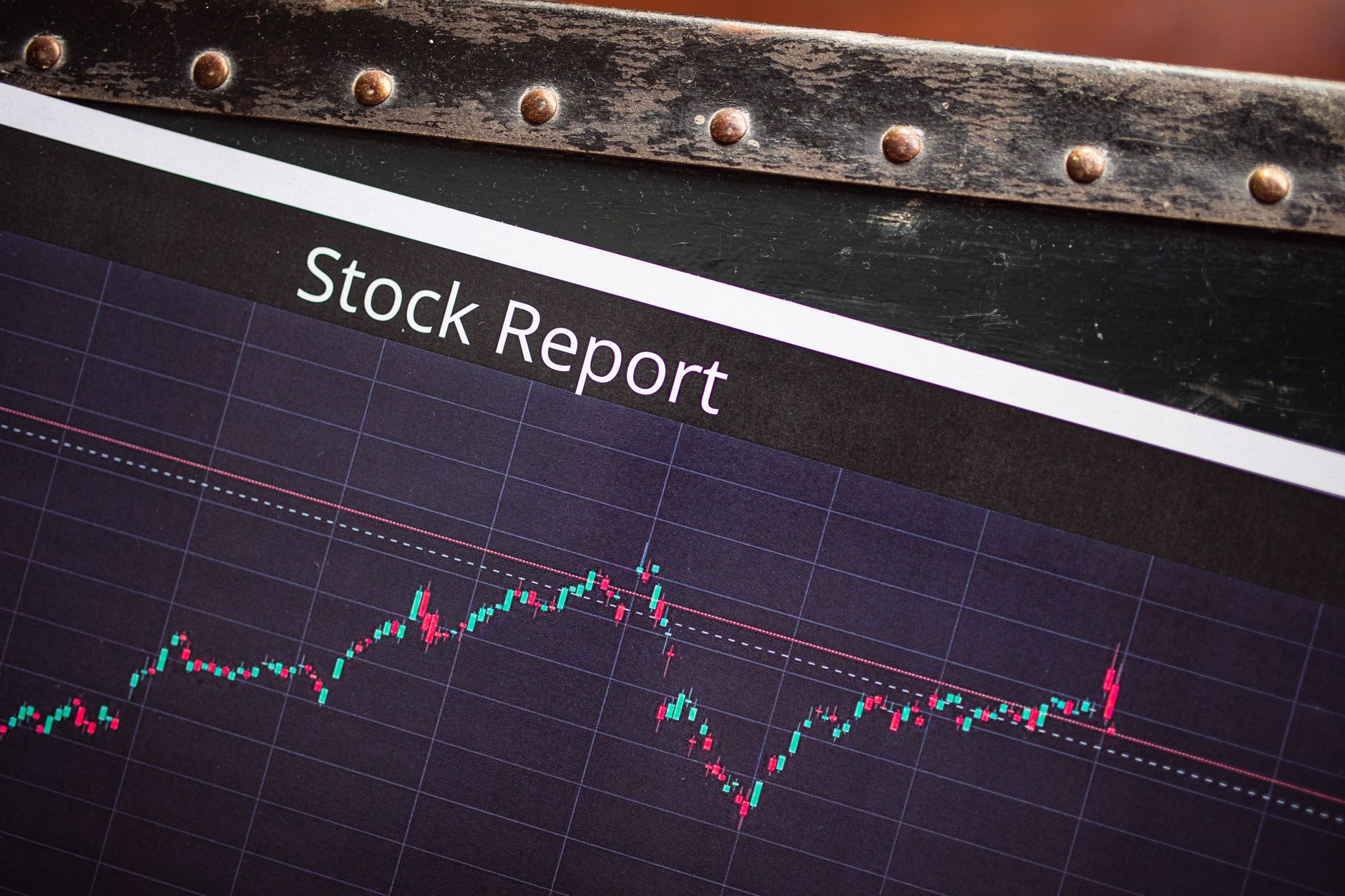
Financial markets have long relied on historical patterns to guide investment strategies and forecast future economic cycles. For nearly a century, analysts have observed consistent behaviors regarding how corporate profits interact with equity valuations. However, recent market dynamics suggest that these long-standing relationships may be shifting. Understanding these developments requires a close examination of how modern economic pressures compare to nearly a century of financial history.
Historical Context of Market Trends
Over the past nine decades, the relationship between corporate bottom lines and share prices has generally followed predictable cycles. During periods of economic expansion, earnings typically rose, pushing equity valuations higher. Conversely, economic downturns brought contractions in profitability, leading to market corrections. Analysts and portfolio managers used these reliable historical correlations to build models, assess risk, and determine whether stocks were overvalued or undervalued relative to their underlying financial performance.
Shifting Dynamics in Modern Markets
In recent quarters, observers have noted a distinct divergence between traditional valuation metrics and actual corporate financial performance. Share prices have demonstrated resilience and movement patterns that frequently decouple from historical norms. This break from the past has sparked intense debate among financial professionals regarding whether structural changes in the economy have permanently altered traditional market behavior.
Factors Influencing the Shift
Several unique economic elements contribute to this potential disruption of long-term trends. The increasing dominance of technology giants, changes in global supply chains, and shifting monetary policies have all played significant roles in shaping modern equity valuations. Furthermore, the widespread adoption of automated trading algorithms and the heavy influence of passive investing vehicles have altered how capital flows into the markets, frequently prioritizing momentum over traditional fundamental analysis.
Implications for Long-Term Investors
When traditional correlations break down, navigating the financial landscape becomes significantly more complex. Investors who rely solely on historical patterns may find themselves misjudging market risk. Experts suggest that a flexible approach, combining traditional fundamental analysis with an awareness of modern macroeconomic drivers, is essential for navigating this era of uncertainty. Rather than assuming historical norms will automatically reassert themselves, market participants must carefully evaluate current conditions on their own merits.
Conclusion
While a ninety-year track record provides valuable perspective, it does not guarantee future outcomes. The recent divergence between earnings and equity prices serves as a reminder that financial markets are dynamic systems influenced by evolving technological, structural, and behavioral factors. Staying informed and adaptable remains the best strategy for investors seeking to protect and grow their capital in changing times.
RELATED STORIES

stock-market
Prosperity Bancshares Investment Analysis: Why This Regional Bank Remains Strong
Discover why financial analysts continue to favor Prosperity Bancshares as a resilient regional bank investment with strong fundamentals.

stock-market
Airbus Reaffirms Annual Delivery Goals Amid Year-End Production Push
Airbus maintains its yearly targets, banking on a significant surge in aircraft deliveries during the final quarter to meet its operational objectives.

stock-market
Stepan Company Q3 2026 Financial Results and Business Overview
Explore the Stepan Company Q3 2026 financial performance, earnings highlights, and strategic business updates based on the latest corporate earnings call.