Why the Tesla Cybercab Strategy Falls Short of Expectations

The automotive industry continues to experience massive shifts toward autonomous driving technology. Among the most discussed initiatives in recent years is the autonomous vehicle strategy promoted by Tesla. While public interest remains high regarding driverless fleets, a closer examination reveals significant underlying challenges with the Cybercab concept.
Introduction to Autonomous Ambitions
Tesla has long promised a fully autonomous future where personal vehicles can generate revenue as robotic taxis. The unveiling of dedicated robotaxi designs generated immense market enthusiasm and high expectations from investors. However, moving from promotional concepts to reliable, mass-market deployment involves numerous technical and regulatory hurdles that remain largely unresolved.
Regulatory and Safety Hurdles
Deploying a fleet of autonomous vehicles without human backup drivers requires stringent regulatory approval. Government agencies at both state and federal levels maintain strict safety standards for public roads. Current driver-assistance software, while advanced, still requires active human supervision in complex driving environments. Achieving true level-five autonomy without geofencing limitations remains an exceptionally difficult engineering challenge.
Economic and Manufacturing Realities
Beyond software limitations, the financial viability of operating a dedicated robotaxi fleet faces heavy scrutiny. Manufacturing specialized vehicles with high-grade sensor suites increases initial production costs. Maintenance, cleaning, and vandalism present operational expenses that traditional ride-hailing networks currently outsource to individual human drivers. Without a sustainable economic model, scaling these operations could strain corporate resources.
Competitive Landscape
Tesla is not alone in the pursuit of autonomous transport services. Several established technology companies and automotive manufacturers already operate commercial robotaxi networks in major metropolitan areas. These competitors have spent years refining their mapping technology and safety protocols, giving them a distinct head start in commercial deployment and municipal partnerships.
Conclusion and Future Outlook
The ambition behind the robotaxi initiative highlights the ongoing transformation of modern transportation. Yet, the road to widespread autonomous commercial fleets is steeper than previously anticipated. Investors and industry observers must weigh the visionary marketing against the tangible engineering and economic realities required to make driverless mobility a universal reality.
RELATED STORIES

stock-market
Prosperity Bancshares Investment Analysis: Why This Regional Bank Remains Strong
Discover why financial analysts continue to favor Prosperity Bancshares as a resilient regional bank investment with strong fundamentals.
stock-market
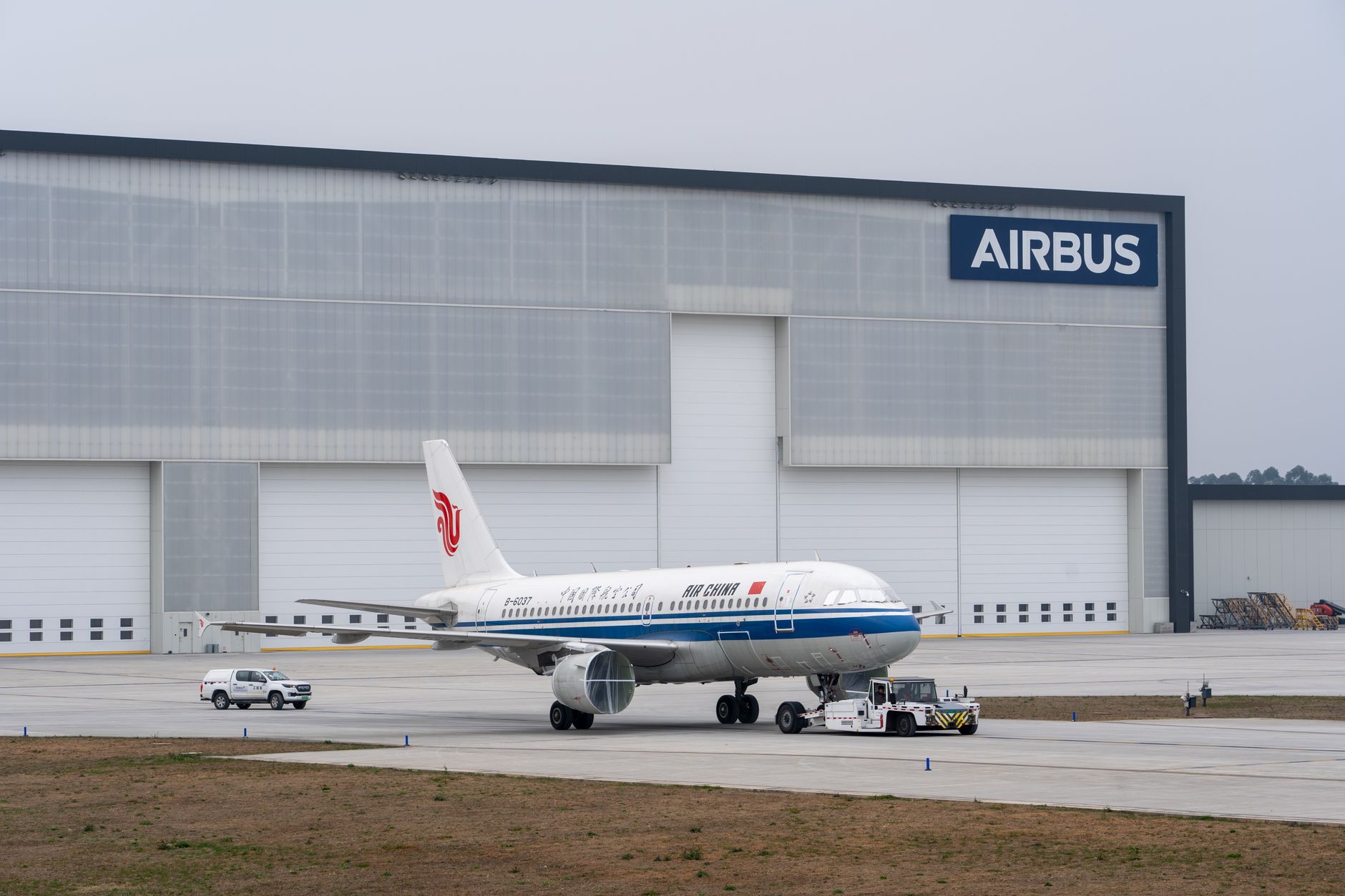
Airbus Reaffirms Annual Delivery Goals Amid Year-End Production Push
Airbus maintains its yearly targets, banking on a significant surge in aircraft deliveries during the final quarter to meet its operational objectives.

stock-market
Stepan Company Q3 2026 Financial Results and Business Overview
Explore the Stepan Company Q3 2026 financial performance, earnings highlights, and strategic business updates based on the latest corporate earnings call.